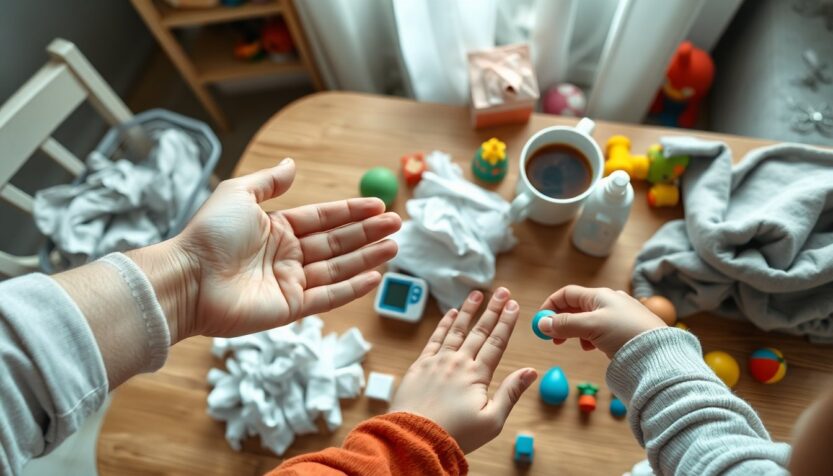
It starts as a tiny sore or a single fever and suddenly your household feels like a revolving door of tissues, laundry and late calls to your pediatrician. One parent described finally hearing the diagnosis of coxsackie from their doctor after weeks of painful mouth sores; the humorous clarification from the clinician helped soften the moment. Adults can get hand, foot and mouth too, and while it is less common than in young children, it reminds us that viruses circulate freely when little bodies are sharing toys, snacks and laps.
Families often discover that exposure doesn’t only happen inside a classroom: playgrounds, playdates and even the library are common settings for transmission. It’s normal for a child attending group care to experience illnesses on a much tighter rotation than a child at home — some parents report infections every few weeks, others see a steep decline after the first couple of years. The key takeaway is that preschool and daycare are environments where microbes move quickly, and that’s not always a sign of poor hygiene but of inevitable contact.
Why group settings amplify germs
Young children explore the world with their hands and mouths, which makes classrooms and play spaces efficient networks for viruses and parasites. Close contact, shared materials, snacks and group art projects create plentiful routes for transmission. During respiratory seasons, simple behaviors like putting a toy in the mouth, wiping a runny nose on a sleeve, or cuddling on a communal mat can spread rhinoviruses, coxsackie and other common pathogens. Even measures like masking or outdoor time can reduce risk but not eliminate it entirely — the biology of exposure and the realities of toddler behavior mean some sickness is almost inevitable.
Common culprits and what they mean
It helps to name the nuisances: hand, foot and mouth is often caused by the coxsackie virus and produces sore mouths and blisters; lice are tiny external parasites that spread through head-to-head contact and need focused treatment; pinworms are intestinal parasites, transmitted orally via eggs, that provoke intense itching and a different kind of household cleanup. Each issue requires a different response — some are treated at home, some benefit from professional help — but all feel emotionally exhausting when they arrive.
Practical strategies parents use
Families develop systems to manage both the logistics and the feelings of frequent illness. At-home routines often include designated spots for soiled clothing (the infamous zip-top bag for accidents), clear laundry protocols, and a simplified morning checklist to limit cross-contamination. Teaching children basic handwashing skills, packing extra clothes, and keeping a small kit of essentials for day-to-day care smooths many rough mornings. When dealing with lice or pinworms, some parents call specialized services while others rely on pharmacist-recommended treatments and strict cleaning routines; consulting a clinician is always wise.
Partnering with schools and caregivers
Open communication with teachers and administrators makes a huge difference. Ask about the school’s approach to hygiene, sick policies, air quality and whether they prioritize staying home when ill. Some families choose settings with stricter screening or improved ventilation for immunocompromised household members. It’s worth acknowledging the dedication of early educators — many parents call them literal angels — and advocating for their support when your child needs accommodations or when you need reassurance about routines and expectations.
Perspective: short-term pain for long-term resilience
One of the harder truths about this stage is that exposure often builds protection. Repeated, generally mild infections help develop a child’s immune system so they are better prepared for more serious illnesses later. That doesn’t erase the middle-of-the-night panic over a fever or the trauma some parents feel after parasites like pinworms, but it reframes those seasons as temporary hurdles. Over time most families report fewer sick days and calmer routines. Gratitude for reliable caregivers and a few practical habits can help you survive the cycle and come out on the other side with a healthier, more resilient child.