



The sequel to The Devil Wears Prada reunites many familiar faces and updates the story for a changed media landscape. In this follow-up, the film revisits the power dynamics at Runway magazine while introducing a new generation of assistants and cameos. The returning creative team behind the camera ensures tonal continuity, and the costume choices pay deliberate homage to the original film’s aesthetic. This piece breaks down the most significant moments, character developments, and easter eggs—defined here as hidden references or small callbacks designed to reward attentive viewers.
The film, which sees Andy Sachs back in Runway’s orbit, leans on both nostalgia and contemporary concerns about the publishing industry. Andy’s arc intersects with Miranda Priestly’s enduring influence and Nigel’s ongoing struggle for recognition. Alongside them, new assistants and celebrity cameos refresh the ensemble. Costume designer Molly Rogers, building on a legacy that involved Patricia Field on the first film, crafts looks that function as storytelling tools. Throughout the sequel, clothing, music, and brief visual cues serve as the film’s language of reference, amplifying character beats for viewers who remember the 2006 original.
Characters and relationships that return
At the heart of the movie are the familiar relationships fans know: Andy Sachs, Miranda Priestly, Nigel, and Emily. Anne Hathaway‘s Andy has matured into a respected journalist yet finds herself pulled back into the magazine’s drama. Meryl Streep‘s Miranda retains her formidable presence, but the film presents her in a world where print influence has waned and corporate pressures are reshaping fashion journalism. Stanley Tucci‘s Nigel receives new narrative weight after past betrayals, and the friendship threads between Andy and Emily—now a major figure at Dior played by Emily Blunt—resurface in different forms. These dynamics anchor the story while allowing fresh conflicts and reconciliations to unfold.
New faces and cameo strategy
The sequel populates Runway’s offices with a younger cohort of assistants and a parade of high-profile cameos. Actors such as Simone Ashley, Pauline Chalamet, and Caleb Hearon bring energy as the latest assistant pool, and a range of celebrity appearances punctuate the film’s world-building. Cameos function less as stunts and more as texture—musicians, designers and media figures slide in and out to underscore how deeply fashion culture intersects with celebrity. These moments also reflect the sequel’s aim to feel contemporary without betraying the original’s tone.
Fashion as character: design choices and nods
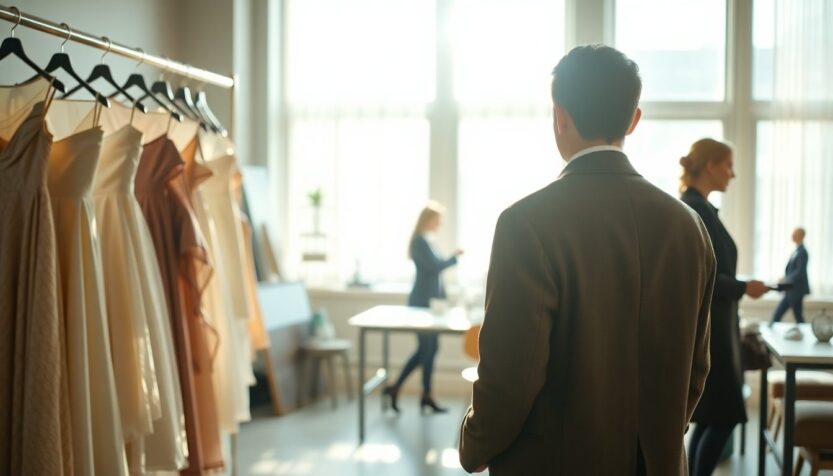
The wardrobe often reads like a silent script: it reveals character shifts and pays tribute to earlier scenes. The costume work intentionally references key looks from the first movie, including a final sweater vest that echoes Andy’s first-day ensemble. That vest, presented in a distinct shade, operates as a visual full stop—signaling closure and continuity simultaneously. Wardrobe moments range from subtle color callbacks to more overt reenactments of past beats; the film keeps most acknowledgements understated so that the sequel can function for new viewers as well as longtime fans.
Specific costume moments to watch
Watch for sequences where clothing signals internal change: characters who once rejected indulgence now embrace different attitudes toward body image and fashion’s role in self-expression. A notable third-act interaction features an apology and a symbolic bite of bread that mirrors earlier lines about carbs and personal priorities in the original film. Similarly, a Paris-tinged memory sequence uses music and a print motif to connect to the first movie’s international chapter. These are the kinds of Easter eggs that reward close viewers while remaining narratively meaningful.
Production notes and tone
Director David Frankel and writer Aline Brosh McKenna return to shepherd the sequel, aiming to preserve the original’s spirit while updating its stakes. The production navigates a tricky balance: it wants to honor fan expectations without reducing the story to simple fan service. The result is a film that often plays it safe—leaning toward reconciliation and warmth—while slipping in sharper moments about the modern media economy and workplace dynamics. These tonal choices help the sequel stand on its own even as it nods to its predecessor.
Overall, The Devil Wears Prada 2 is structured to please viewers who cherish the original characters and those curious about how fashion narratives adapt to contemporary pressures. From wardrobe callbacks to cameo-filled scenes and the continued chemistry among the leads, the sequel functions as a reflective chapter that emphasizes legacy, change, and the persistent allure of Runway as a cultural touchstone.