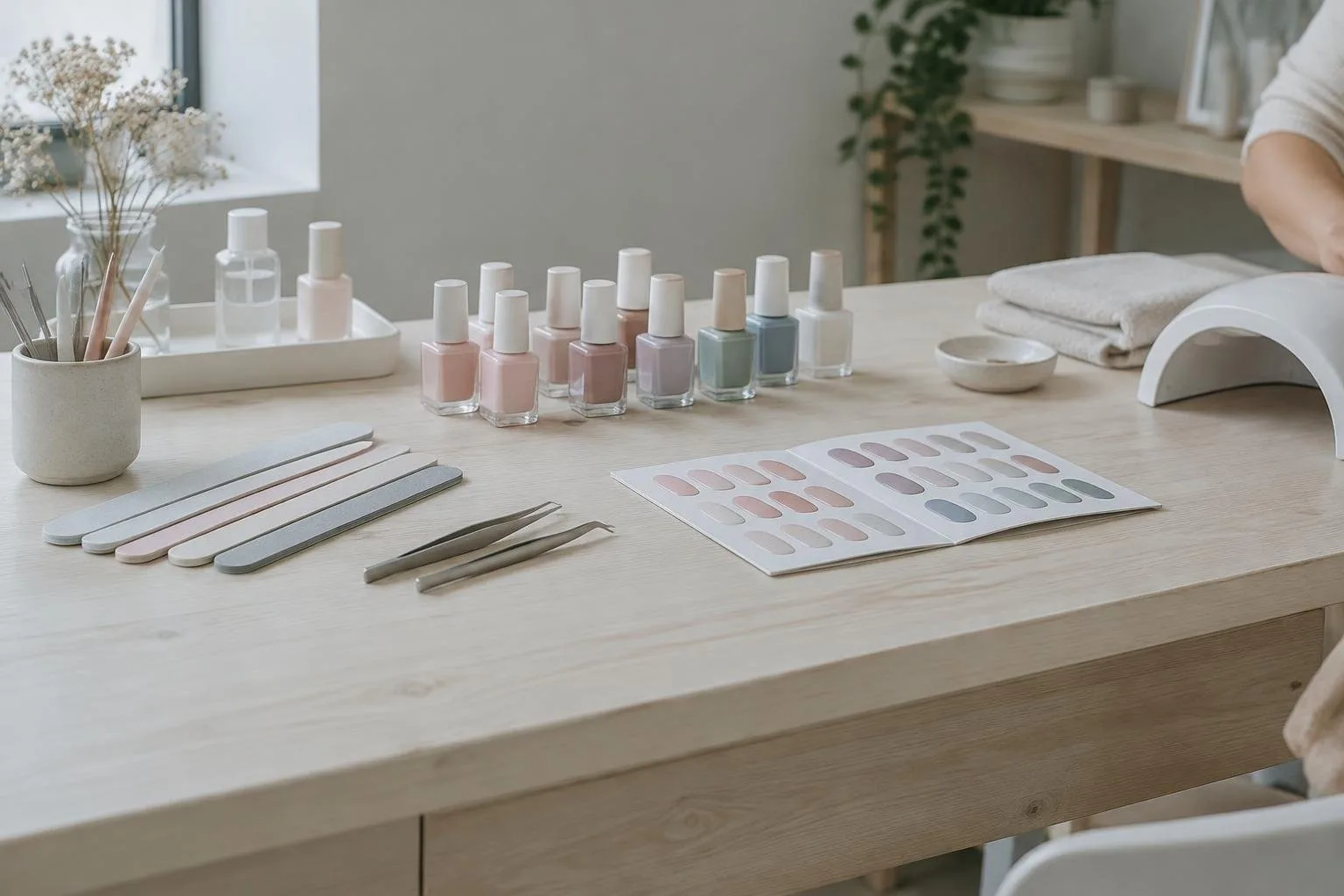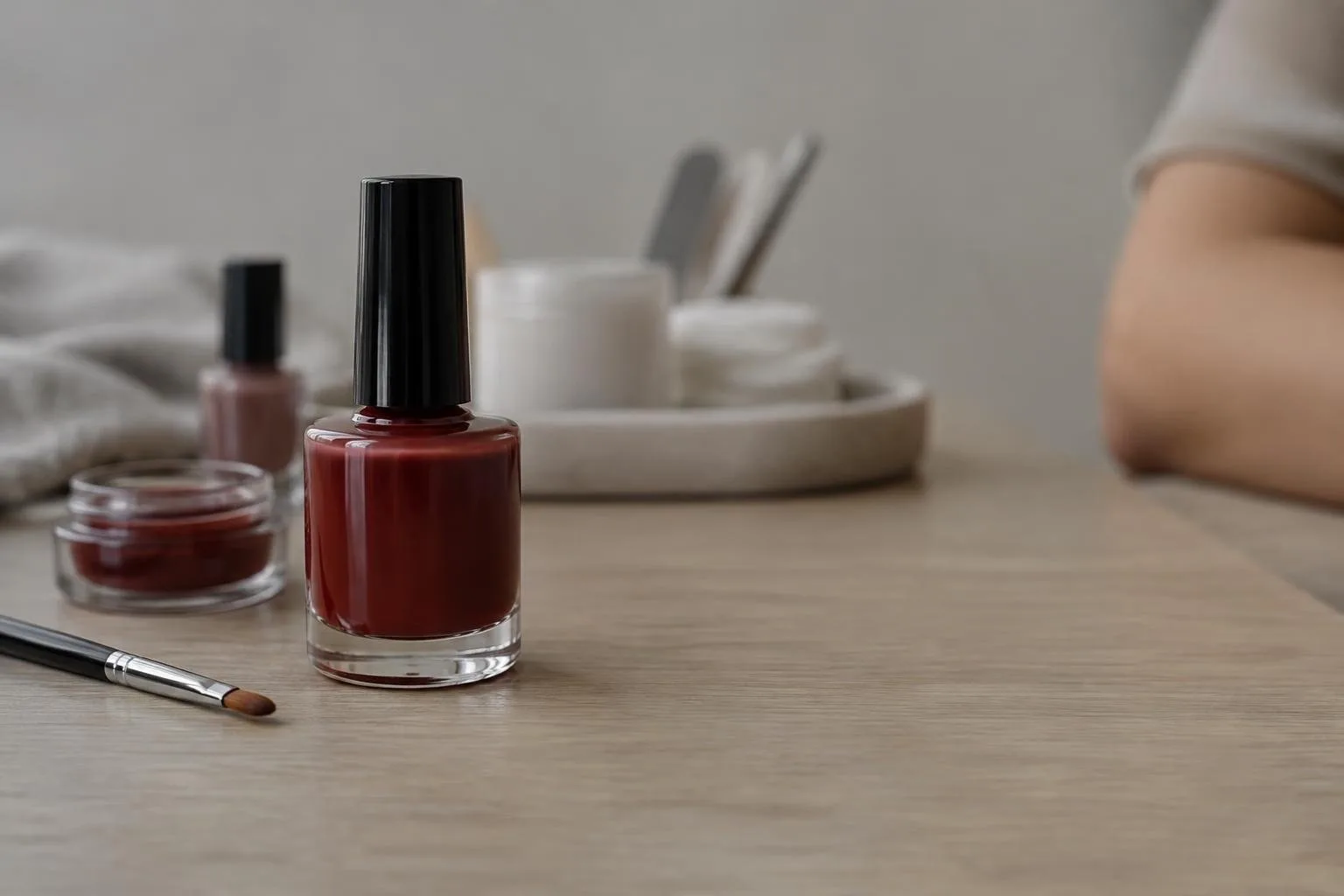
When the temperature drops, the manicure world shifts from bright summer hues to textures that echo the season’s snuggle factor. This year’s winter palette embraces the feel of velvet upholstery, the shine of frozen ponds, and the comfort of a chunky sweater, giving creators a toolbox of tactile tricks and gleaming accents.
Velvet-inspired cat-eye and other textural finishes
The most striking velvet cat-eye technique mimics the sensation of dragging a fingertip across plush fabric. Artists start with a full-coverage cat-eye polish, then magnetize the shimmering particles to one side of the nail. By repeating the process on the opposite half, the nail splits into two mirrored shades, producing a half-and-half illusion that looks like swiped velvet. Rosemary, a nail specialist based in Washington, D.C., recommends using two complementary winter tones on each half to keep the effect lively while maintaining a cohesive look.
Fuzzy sweater designs translate the look of mohair or alpaca into a nail surface. The method relies on a damp makeup sponge: dip the sponge, squeeze out excess moisture, then dab alternating stripes of chosen colors onto the nail. The result is a blurred, sweater-stripe pattern that feels as soft as the garment it references. Hang Nguyen, a Los Angeles artist, notes that mixing muted winter hues with a pop of metallic glitter adds depth without sacrificing the cozy vibe.
For a gemstone-inspired touch, cabochon gems replace faceted diamonds with smooth, rounded stones. These stones (often cut from turquoise, opal, or milky quartz) are set onto a base of jewel-toned jelly polish. The application can begin with a hand-drawn circle outlined in black, followed by a chrome or metallic overlay, or by first applying a chrome base and then dropping colored globules to simulate the stones. The effect is a cooler, free-form jewel that feels both protective and decorative.
Icy, metallic and celestial accents
Winter’s frozen landscape inspires a suite of chrome finishes that resemble slick ice. Brands now offer chrome powder sticks and liquid chrome that can be brushed over a nude or pastel base. Selecting a powder with a white-leaning tint allows the underlying color to show through, creating an iridescent glaze that shifts between blue-grey and silver as the light moves. This look works well for the “frosty tip” trend, where a pale blue or white tip fades into an icy chrome overlay, echoing a skating rink’s surface.
Subtle metallic halos around deep reds or burgundies bring a nod to runway jewelry. A thin gold line encircles the nail’s edge, offering a refined accent that does not overpower the base shade. Marisa Carmichael suggests pairing this with a matte finish for contrast, turning the nail into a miniature piece of couture.
For those who prefer a night-sky vibe, celestial sets combine jewel-tone cat-eye bases with scattered gold stars and fine glitter. The design remains understated enough for everyday wear yet captures the sparkle of a winter night. Adding a few larger rhinestones can elevate the look for holiday gatherings without straying into overtly festive motifs.
Pattern play: animal prints, plaid and color blocking
Animal prints have migrated from runway coats to nail surfaces. Rather than covering every digit with the same pattern, designers experiment with mix-and-match approaches: cheetah spots on the ring finger, zebra stripes on the thumb, and Dalmatian dots on the middle finger. Pairing these prints with unexpected color backgrounds (mustard yellow, baby blue, or deep burgundy) creates a maximalist aesthetic that feels fresh.
Plaid and pinstripe designs draw from classic winter fabrics. By selecting shades directly from a wardrobe (think navy, forest green, and muted rust) artists produce a nostalgic yet modern look. The pattern works particularly well on almond-shaped nails, where the elongated canvas highlights the intersecting lines. Adding a tiny chrome accent on the lunula can reinforce the seasonal sparkle.
Bold color blocking breaks the monotony of winter neutrals. Pairing contrasting hues such as pear green with navy, butter yellow with burgundy, or lavender with burnt orange generates a playful energy. Using a matte finish on one block and a glossy or cat-eye finish on the adjacent block amplifies the visual contrast while keeping the composition balanced.
Pedicure touches that echo autumn’s edge
As November approaches, many clients ask for subtler foot finishes. A delicate “autumn branch” design paints thin brown twigs across a soft gray or dusky blue base, leaving a few tiny leaves as accents. This minimalist illustration feels like a quiet window view and works best on one or two toes, allowing the rest of the foot to stay understated.
The shade “prune” (a deep, wine-colored hue that sits between burgundy and plum) offers a sophisticated alternative to traditional black or dark gray polish. Two thin coats deliver a glossy depth that catches light, turning ordinary toes into a quiet statement piece.
For a twist on the classic French pedicure, the “reverse fall French” places a thin, contrasting line near the cuticle instead of the tip. This subtle reversal adds visual interest while preserving the elegance of the traditional style, making it suitable for both casual outings and formal events.
Together, these trends illustrate how nail artists can translate the textures of winter (velvet, ice, sweater yarn, and animal hide) into wearable art that feels both tactile and luminous. Whether a client prefers an understated jewel or a bold mixed-print manicure, the 2026-27 season offers a palette rich enough to satisfy every aesthetic.