

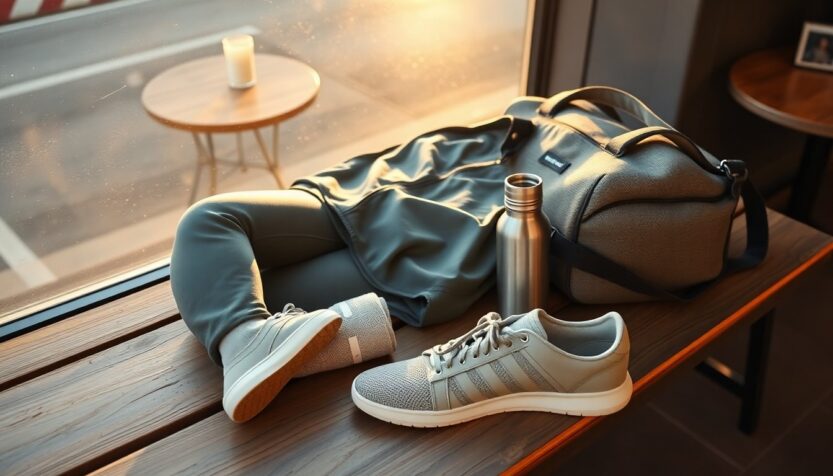
The rise of brands like Lululemon and Alo has normalized sporty, comfortable wardrobes across age groups. Many people now reach for leggings, zip-ups, and performance fabrics in everyday life. I use the term a practical combination of performance fabrics and casual silhouettes to describe athleisure, which blends gym-ready pieces with street-friendly styling. That same mass adoption, however, has blurred the line between appropriate and out-of-place dressing.
This piece sorts that blur into a handful of clear scenarios. The aim is not to shame comfort but to map where athleisure best serves you and where it undercuts the occasion. Public debate on the topic has even reached celebrity commentary—some voices insist activewear belong strictly in exercise settings—so a calm, useful guide feels overdue.
Where athleisure belongs
The gym: obvious and appropriate
The gym is the most sensible environment for athleisure. Fabric technologies such as moisture-wicking and four-way stretch are designed for movement, and wearing them to exercise is practical and expected. Choosing breathable pieces helps performance and comfort, and seeing others in workout gear at a fitness facility is normal. If you want to be stylish while training, think about fit, supportive footwear, and accessories like a gym-friendly jacket rather than transforming performance wear into evening attire.
Travel and errands: prioritize comfort
Airports, long drives, and running errands are prime use cases for athleisure. When travel stretches out over hours, choosing soft, flexible layers reduces fatigue and friction. A sleek pair of leggings, a lightweight hoodie, or a packable jacket keeps you comfortable without appearing sloppy. In transit culture, prioritizing comfort is practical: you can layer up for changing temperatures and still move quickly between gates, carousels, and cabs while keeping a polished silhouette.
Casual daytime socializing: brunch and school settings
Daytime meetups like post-workout brunches or low-key gatherings are natural places for athleisure. The look reads as relaxed and intentional when paired with thoughtful accessories—clean sneakers, a structured tote, or a simple necklace. Schools and campuses also remain forgiving spaces for sporty clothes: they balance comfort for long days with a casual dress code that makes performance fabrics a reasonable choice.
When to avoid athleisure
Nightlife and bars: dress with intent
Evening venues—clubs, cocktail bars, and lively pubs—are where athleisure often feels out of sync with the mood. Nighttime social rituals tend to call for slightly elevated styling: a heel, a sharp shoe, or clothes with more structure. Wearing workout gear to a club can read as underdressed because lighting, music, and the crowd collectively raise the bar for presentation. If you want to be comfortable, consider mixing performance pieces with dressier items to bridge both needs.
Dates and evening plans: make an effort
First dates and romantic dinners generally reward a little extra thought. Unless the activity is explicitly active—such as a planned run or hike—reserve athleisure for casual daytime dates only. A thoughtful top, clean footwear, and a fitted pair of pants send clearer signals of care and intention. Sneakers may be acceptable, but prioritize style over strict exercise wear to make the best impression.
The workplace: read the room
Offices vary widely, but most professional environments expect attire beyond gym clothes. In creative or ultra-casual firms, polished sneakers and smart athleisure pieces may be tolerated, but corporate settings often require loafers, flats, or dress shoes and tailored garments. As a rule, save obvious workout items—sports bras, cropped performance tops, and raw athletic tights—for fitness or home. If your role is client-facing or in finance and law, err toward traditional business dress.
How to make athleisure work smarter
Strategies for elevating sporty pieces
To adapt athleisure for more contexts, combine it with structure and texture. Pair a performance top with a blazer for a balanced silhouette, swap gym sneakers for minimalist leather trainers, or choose tonal layering that reads refined rather than rushed. Avoid wearing workout outfits head-to-toe in settings that call for effort; small swaps—like a neat coat or deliberate accessories—can transform comfort into considered style.
Practical rules of thumb
Keep a spare outfit in your car or bag if you anticipate a transition from casual to formal plans, and consider the activity and time of day before choosing sporty pieces. Think of athleisure as a tool: exceptionally useful in movement, travel, and relaxed daytime life, and less appropriate when the social code requires a pause on pure comfort. With a few tweaks, you can enjoy performance fabrics without losing situational awareness.
Ultimately, wearing athleisure well is about context and intention. Embrace comfort where it serves you and choose alternatives when the moment demands a different tone.