

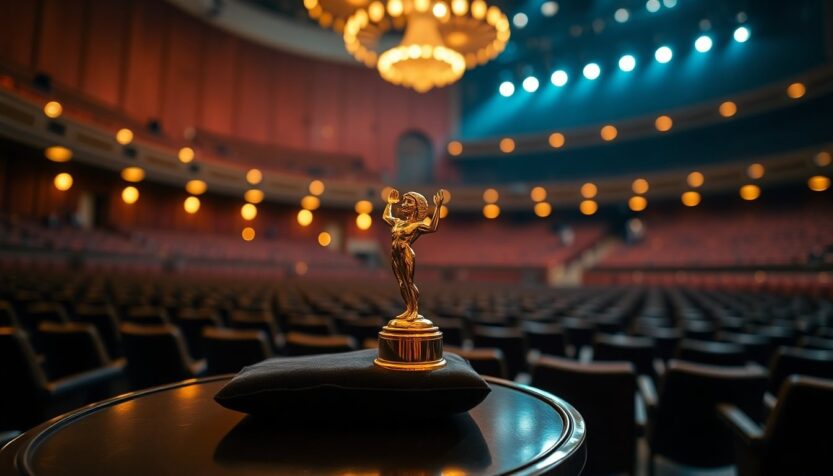
The BAFTA TV Awards ceremony at the Southbank Centre’s Royal Festival Hall was a night of emphatic triumphs and emotional tributes. Hosted by Greg Davies, the event celebrated work across British television, with some programmes collecting multiple honours and individual actors earning career-defining recognition. Streaming and broadcast titles competed across drama, comedy, factual and entertainment categories, while the audience also chose a memorable moment voted by the public. The evening balanced industry acclaim with moments that resonated widely with viewers, making it a bellwether for what audiences and critics continue to praise.
Among the front-runners, the Netflix drama Adolescence arrived with heavy awards momentum and left with the most wins on the night. The series secured multiple acting prizes and the limited series gong, confirming its status as one of the year’s most talked-about shows. Elsewhere, long-running favourites and breakout hits performed strongly across comedy, reality and factual fields, with established names and rising talent sharing the spotlight. Several wins also underlined the continuing crossover between awards attention and mainstream popularity in the UK television landscape.
Standout winners and historic moments
Adolescence emerged as the evening’s biggest winner, taking home four trophies including best limited series and key acting awards. Stephen Graham was recognised as best leading actor for his role in the series, while Christine Tremarco and Owen Cooper won supporting acting honours. Cooper, at 16, became the youngest ever recipient of the supporting actor award, a milestone that drew attention in acceptance speeches and press coverage. Narges Rashidi was named best leading actress for her portrayal of Nazanin Zaghari-Ratcliffe in Prisoner 951, dedicating the prize to the real-life figure at the centre of the drama.
Entertainment, reality and comedy highlights
The entertainment and comedy sections produced memorable outcomes: Last One Laughing secured the entertainment programme prize while Bob Mortimer won the entertainment performance award for his contributions to that show. In comedy, Amandaland claimed the scripted comedy trophy, and veteran performers such as Steve Coogan and Katherine Parkinson were recognised in the leading comedy acting categories. Reality television fared well too: The Celebrity Traitors, the most-watched programme of the previous year, took home the reality show award and also won the public-voted memorable moment, further underlining its mass appeal.
Acting acknowledgements and turning points
The acting prizes illustrated a mix of established careers and emerging stars. Stephen Graham’s victory marked his first BAFTA win after many nominations, and his speech urged younger viewers to pursue storytelling and artistic craft. Christine Tremarco’s supporting actress award and Owen Cooper’s supporting actor trophy showcased how ensemble-driven dramas can propel multiple performers into the spotlight. Other nominees included household names like Colin Firth, Jodie Whittaker and Matt Smith, demonstrating the depth of performances considered for the top categories.
Reality appeal and audience engagement
Public participation played a visible role in the ceremony, with the P&O Cruises Memorable Moment prize decided by mass vote. The Celebrity Traitors won that category for a climactic scene from its finale, a result that reflected the show’s huge viewing figures and cultural footprint. Presenters and performers in entertainment categories — including Alan Carr and Romesh Ranganathan — also featured across nominations, showing how personalities who work across formats continue to resonate with both juries and viewers.
Special awards, factual winners and broader recognition
Beyond the headline categories, factual and specialist programming received significant accolades. See No Evil won the factual series prize, while Simon Schama’s The Road to Auschwitz was named best specialist factual. News and current affairs coverage was also acknowledged: reporting on conflicts and crises earned awards in their respective fields, and hard-hitting documentaries like Grenfell: Uncovered were recognised in single documentary categories. In addition to programme prizes, the ceremony honoured industry figures with special recognitions: Dame Mary Berry received the BAFTA Fellowship and Martin Lewis was presented with the Special Award, acknowledging their contributions beyond individual shows.
Looking ahead
The BAFTA TV Awards functioned not only as a celebration of the past year’s achievements but also as a signal of where UK television storytelling is headed. Genres from crime to comedy and formats from short form to live event coverage each found moments of praise, and shows with broad audience reach continued to translate popularity into awards success. With streaming platforms and traditional broadcasters both represented among winners, the night reinforced the plural, competitive ecosystem that defines contemporary British television.