



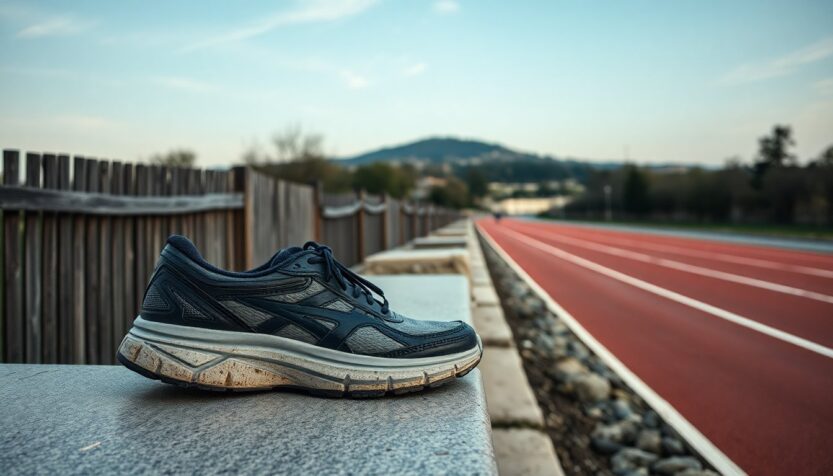
Communities collect stories the way rivers collect stones: each tale smooths a memory into something you can carry. On 26/03/2026, a Cup of Jo feature invited readers to reveal their favorite walking paths, while the Dirt Church Radio series “Greatest Run Ever” gathered personal running memories published across early 2026. Together these pieces show how ordinary routes—city promenades, school tracks, mountain trails—become stages for endurance, reflection, and connection. The anecdotes below highlight small rituals and large challenges, and they illustrate why a walk or run can feel like both therapy and celebration.
Why routes matter beyond distance
Paths and runs are more than geography; they are frameworks for habit, healing, and social ties. A familiar trail functions as a place to process emotions, a training loop builds endurance, and a neighborhood walk offers quiet mindfulness. For some people, a single route is where they practice pacing, nutrition, and logistics—skills needed for longer events like a marathon or an ultra. In these stories you’ll see common themes: attention to weather, fuel, and crew support. Small particulars—like a supportive cheer squad or an unexpected packet of hot noodles at an aid station—often tilt the day from struggle to triumph.
Voices from the trail and the track
Kate Jackson — heat, heartbreak, and a hard-won finish
On 25/03/2026, Kate Jackson described two back-to-back challenges: a scorching 50k in the Gariwerd region followed by the Ultra Trail Kosciuszko 100k days later. After declaring the GPT50 the toughest 50k she’d done, she felt the toll but still lined up for Kosciuszko. Early mistakes—going out too fast and using unfamiliar aid-station fuel—triggered stomach cramps and a long descent into the proverbial pain cave. Weather turned alpine: rain, mud, and fierce wind. With encouragement from her husband and the lure of hot noodles, she kept moving, alternating walk and run until the night gave her clarity. Descending into the finish she switched off her headlamp and knew she had experienced what she calls the greatest run ever, a run that tested every limit and left her wanting to return.
Sam Howard — 126 laps, a schoolyard chorus, and resilience
Sam Howard’s entry (noted 11/03/2026) began with a graveyard shift at Relay For Life in March 2026 and grew into an audacious training idea: run the school track for the entire day. What he expected to be solitary training became a community event—students staged aid stations, organized chants, and provided company lap after lap. The simple math turned epic: 126 laps by day’s end, punctuated by a final corridor of high-fives at 2:45 pm. The day was meant to teach resilience to kids and raise funds for a cause, but it also became a lesson in how the smallest settings—a school oval—can host a memorable endurance experience.
Natasha Hammond — from local club runs to London’s finish line
In her 04/02/2026 submission, Natasha described training with the Sydney Marathon run club and winning a golden ticket to the London Marathon. The story traces the familiar travel-and-logistics hurdles—closed tube stations, heat on race day, and crowd-management for tens of thousands of runners—and the sensory overload of running past landmarks like Tower Bridge and Big Ben. Forced to adjust pacing in a heat wave, she prioritized finishing over a time goal, taking comfort in cheering crowds, improvised course entertainment, and the ritual post-race foil blanket. The experience combined city running spectacle with the quiet satisfaction of completing a personal mission.
Carol Robertson — 24-hour world champs and limits tested
Carol’s reflection from 03/12/2026 centers on the 24hr World Championships in Albi, France, where representing her country added weight to an already ambitious goal. She maintained a disciplined plan—running steady kilometers and using short walking breaks for nutrition—and held a dependable pace long enough to pass 200km in about 20.5 hours. When exhaustion and nausea finally forced her to stop, it was teammates and crew that coaxed her back into motion. Her account reminds readers that elite endurance is a team sport: pacing, strategy, and the people who support you are as important as individual grit.
How to find your own route—practical takeaways
Whether you prefer a daily loop or an epic traverse, these stories offer actionable advice: start with short, reliable circuits to build confidence; learn from others in local groups to sharpen training and pacing; and plan for contingencies such as weather or missed nutrition. If you race or attempt a long distance, rehearse logistics (pack spares, label drop bags, scout aid station locations). Most importantly, treat a walk or run as a narrative—something you can edit, repeat, and retell. Community often turns a personal challenge into a shared memory, and that is where many of the most memorable routes become meaningful.