



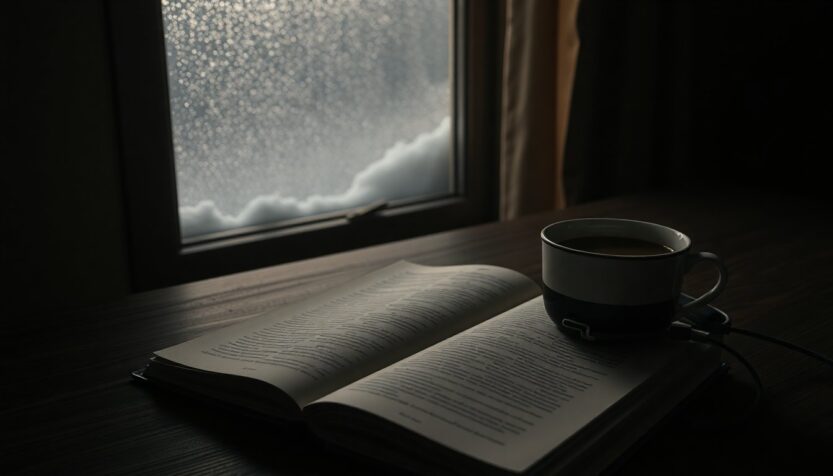
Winter thrillers that capture true-crime momentum
More readers are swapping serialized crime podcasts for novels that recreate the same addictive pace—only on the page. The best winter thrillers fuse an atmospheric, often hostile setting with chapter-by-chapter propulsion: short chapters, sharp reveals, and characters who keep you guessing. Think of them as serialized audio translated into prose—cold nights, muffled sounds, and a mounting sense of dread that makes you stay up “one more chapter.”
Why winter works for suspense
Cold weather does more than drop the temperature. Shorter days, slower travel and plausible isolation give authors the excuse—and the space—to stretch tension logically. Snowed-in roads, power cuts and silent streets aren’t gimmicks; they’re plot mechanics that restrict movement, delay answers and force characters into close quarters. That means confrontations can be prolonged and emotionally compressed without feeling contrived.
Three practical advantages winter settings deliver:
– Extended dread: environmental constraints let scenes breathe, not rush.
– Sensory texture: cold air, crunching snow, drawn-out silences make fear physical.
– Credible isolation: delayed communications and blocked routes justify secrets and misdirection.
How these books mimic podcast bingeing
Modern thrillers borrow audio techniques to keep pace chapter after chapter. Expect:
– Short, punchy chapters that mimic episode lengths.
– Cliffhanger endings or small reveals to trigger “just one more.”
– Layered revelations that drip information rather than dump it.
– Sound-driven imagery—creaks, wind, the hush of snowfall—working like a score.
What to look for in a bingeable winter thriller
– Chapter length: shorter favors momentum; scan the TOC.
– Voice: a distinct narrator (or rotating POVs) keeps you emotionally invested.
– Setting as character: the weather, town or house should actively shape decisions.
– Reveal timing: does each chapter move something forward or shift suspicion?
Quick checklist before you start a book
– Read the first 10–15 pages to test pacing and voice.
– Note chapter lengths in the TOC.
– Look for repeated motifs or sensory clues.
– Decide a session limit: 40–90 minutes or 1–3 chapters works well.
How to binge responsibly
Rapid reading is satisfying, but it can flatten memory and emotional processing. To get the thrill without burnout:
– Set session limits (40–90 minutes).
– Pause after intense scenes: stretch, make tea, or switch to a short, lighter piece.
– Keep a three-line journal after a session: plot beats, character shifts, lingering questions.
– Rotate formats—alternate print with audiobook—to vary cognitive load.
– If reading in a group, assign roles (summarizer, question-keeper) and share a running notes doc.
A practical winter reading plan (easy to follow)
– Mix 2–3 high-intensity thrillers with 1–2 slower, character-driven novels.
– Milestone: finish one high and one slow book every two weeks.
– Swap formats regularly and insert a light palate cleanser after two heavy reads.
– Keep a running list of favorite passages and trigger warnings for future reference.
12 binge-ready winter thrillers (and why they work)
1. The Snowman — Jo Nesbø Stark Nordic winter and a forensic hunt: icy setting and episodic reveals drive relentless pace.
2. Snowblind — Ragnar Jónasson Isolated mountain town, claustrophobic mood and short, propulsive chapters.
3. The Hunting Party — Lucy Foley New Year’s retreat in the Scottish hills: tightly plotted group dynamics and seasonal gloom.
4. The Guest List — Lucy Foley A storm, an island wedding and alternating viewpoints keep suspicion circulating.
5. In a Dark, Dark Wood — Ruth Ware Secluded winter cabin, unreliable memories and slow-burn tension that feels like a single long episode.
6. The Woman in Cabin 10 — Ruth Ware Tight timeframe, stormy seas and immediate, escalating stakes—perfect for binge sessions.
7. The Ice Twins — S.K. Tremayne A sibling-loss mystery on a remote island: atmosphere and psychological unease power the reveals.
8. The Girl in the Ice — Robert Bryndza Procedural momentum with short chapters and steady information gains.
9. Winterkill — C.J. Box Rural and rugged setting where weather shapes every investigation and escape route.
10. The Winter People — Jennifer McMahon Gothic, chilly New England atmosphere with layered revelations and haunting imagery.
11. The Last House on Needless Street — Catriona Ward A disorienting, claustrophobic read that repays close attention and multiple passes.
12. The Whisper Man — Alex North Small-town unease, slow-burn reveals and a soundtrack of creaks and rain that keeps you listening on the page.
How to choose which of the 12 to start
– If you want procedural clarity and steady gains: try The Girl in the Ice or Winterkill.
– For mood-driven, slow-burn dread: Snowblind, The Ice Twins or The Winter People.
– For immediate, bingeable hooks and cliffy chapters: The Snowman, The Woman in Cabin 10, The Hunting Party.
– For unsettling, unreliable narration that rewards re-reading: The Last House on Needless Street.
Why winter works for suspense
Cold weather does more than drop the temperature. Shorter days, slower travel and plausible isolation give authors the excuse—and the space—to stretch tension logically. Snowed-in roads, power cuts and silent streets aren’t gimmicks; they’re plot mechanics that restrict movement, delay answers and force characters into close quarters. That means confrontations can be prolonged and emotionally compressed without feeling contrived.0
Why winter works for suspense
Cold weather does more than drop the temperature. Shorter days, slower travel and plausible isolation give authors the excuse—and the space—to stretch tension logically. Snowed-in roads, power cuts and silent streets aren’t gimmicks; they’re plot mechanics that restrict movement, delay answers and force characters into close quarters. That means confrontations can be prolonged and emotionally compressed without feeling contrived.1