

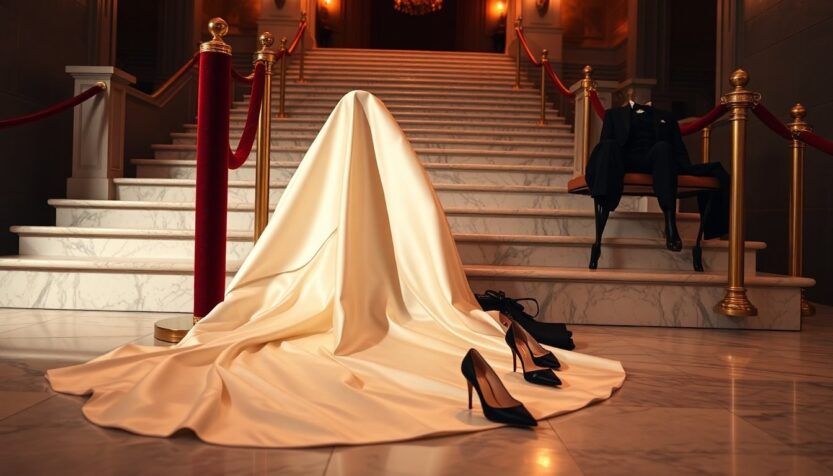
The red carpet still operates like a small ecosystem with its own rules. At major festivals, a strict black-tie code endures: evening gowns for women and tuxedos for men, and in some cases active policies about garment style. Organizers have recently enforced bans on overly revealing ‘naked’ dresses and on excessively voluminous gowns—practical limits rooted in logistics, like navigating long staircases. After high-profile looks in 2026, some houses tightened their expectations, and this season attendees were even advised to choose ‘elegant shoes’ rather than heels for red-carpet appearances. These wardrobe rules set the scene, but the headlines have followed a different, more fraught thread.
Beyond fabric and heel height, the conversation has shifted to the bodies wearing those clothes. A pervasive observation at recent premieres and galas is that many celebrities appear markedly thinner. This trend intersects with the mainstreaming of GLP-1-based treatments and name-brand medications such as Ozempic, which have become shorthand in cultural discussion. People notice narrow waists and exposed sternums and wonder whether a medical-driven ideal is reshaping appearance norms. The resulting unease is both personal and political: it touches on health, influence, and what we present to younger audiences as desirable.
Red carpets, rules, and public reaction
Formal events still generate enormous attention, and that attention now amplifies concerns about bodies. The annual charity gala that dominates fashion headlines drew scrutiny not only for corporate ties but also for how bodies looked on display. Critics pointed to the involvement of wealthy sponsors like Jeff Bezos as one axis of criticism, but visual unease played a central role in the backlash. At the same time, the event set records: it raised $42 million, reportedly the most ever, and achieved unprecedented reach with 1.7 billion global video views, a 57% year-on-year increase, according to Vogue. Online comment sections under images of svelte stars often read as moralizing verdicts—accusations that the industry is promoting an unhealthy aesthetic.
The mechanics of cultural influence
Celebrities function as more than entertainers; they act as models of aspiration. When public figures change shape visibly, audiences infer a prescription for how to look. This effect dovetails with trends like an obsession with protein intake and the proliferation of techniques aimed at optimizing appearance. One such phenomenon, looksmaxxing, describes the deliberate pursuit of physical improvements through diet, workout regimes, supplements, cosmetic procedures, or other interventions. Young men and women have taken cues from blockbuster physiques, and that has changed expectations about what a ‘normal’ body looks like.
Superhero bodies and the trickle-down effect
The superhero era helped normalize highly muscled frames on a global scale. Actors such as Chris Hemsworth, Henry Cavill, and Chris Evans presented forms that resembled sculpted action figures, not the traditionally fit but modest builds of earlier generations. Those images spread into romantic comedies and dramas, reframing what mainstream male leads were expected to look like. The effect is not simply aesthetic: it suggests attainability through training plans, apps, and branded programs. The performers themselves have been candid about the extremes required to meet role demands—Evans has described the intensity of preparation, and Hemsworth has been transparent about the methods behind his transformation—making the industry’s pressures visible.
Personal stories and public ethics
These dynamics show up in private conversations. A relative I spoke with recently began to mention a pair of Oscar looks and then stopped, acknowledging the contemporary taboo around commenting on bodies while confessing worry about a renewed valorization of thinness. That hesitation captures a tension: on one hand, individuals have autonomy over their bodies; on the other, celebrity bodies carry influence. The debate bleeds into the broader concept of body positivity, which asks whether society can protect individual dignity while discouraging harmful ideals. When images of extreme thinness become normalized, the question becomes less about policing individuals and more about steering cultural standards.
Choices ahead: respect and responsibility
It is important not to conflate visible changes with moral failings—actors and public figures often speak openly about the work and guidance behind their looks. Yet the spread of shortcuts, injections, and medically framed weight-loss strategies makes clear that access and resources shape outcomes. Rather than shaming those who change, a healthier approach is twofold: defend the right for people to control their bodies and, simultaneously, work to dismantle the idea that thinness or hyper-muscularity are universal ideals. That shift requires media literacy, diverse representation, and a cultural willingness to celebrate a wider range of forms. In short, keep the focus on systemic influence, not merely individual silhouettes.
Red carpets will keep drawing our gaze, but we can choose what to see in them: costumes and choreography, or a mirror reflecting the standards we collectively create. Both compassion for individuals and critique of cultural pressure are compatible aims. If we succeed, future audiences will encounter screens and staircases populated by a variety of healthy, lived-in bodies rather than a single narrow template of desirability.