



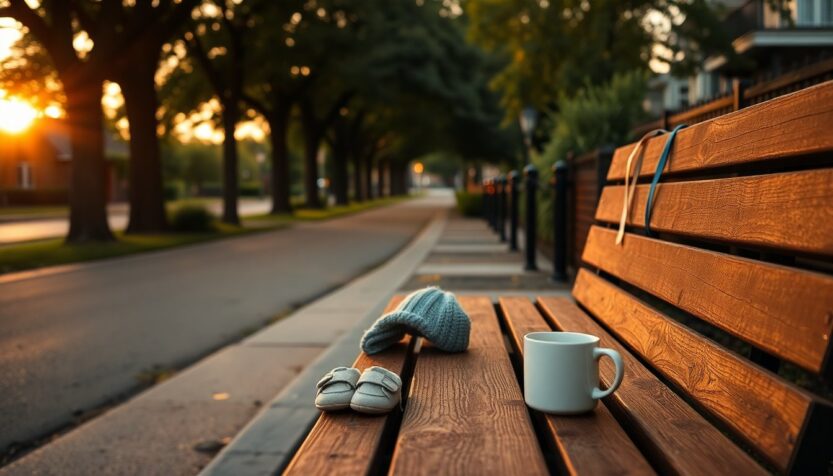
The simple act of stepping outside can become a shared language. In a recent community post published on 26/03/2026, readers submitted their top routes—13 distinct favorite walking paths—and reminded one another that a daily stroll often sits beside other small pleasures like good books and the comforting mantra of “babies be babies.” When we call something a walking path we mean a habitual route chosen for movement, reflection, or connection with nature and neighbors. That personal map of streets, shoreline, or parkland is often less about distance and more about the rhythm and memory the route holds.
There is a parallel in the literary world: sites such as Jerry Jazz Musician run recurring features including the Sunday Poem and themed drops like “21 jazz poems on the 21st,” where contributors send in short works that celebrate the sound, history, and mood of jazz. In that context, jazz poetry can be defined as verse shaped by the cadence, improvisation, and emotional register of jazz music. Poets in these series reference figures from Miles Davis to Nina Simone and Keith Jarrett, using the music as a spine for memory and observation. Both the walking notes and the poems demonstrate how audiences collectively curate everyday meaning.
Why routes and rhymes create community
Both reader-submitted walking paths and community-driven poetry series thrive because they convert private practices into shared resources. A walk becomes more than exercise when neighbors exchange tips on sunny stretches, hidden benches, or good café stops. Likewise, a poem turns private listening into communal reverence when it references icons like Miles Davis or John Coltrane and invites response. The act of sharing—whether a mapped route or a poem inspired by a horn line—makes a practice accessible, offering newcomers a low-friction way to participate. In both cases, contributors leave traces that others can follow, adapt, or reimagine.
What readers taught us about daily movement
From the 13 submissions in the community roundup, several patterns emerge: routes that loop near water, shaded paths that protect against mid-day heat, and short circuits chosen for conversation-friendly pacing. These are practical takeaways grounded in lived experience rather than technical advice. If you want to replicate the spirit of those recommendations, think in terms of features instead of mileage: look for shade, places to sit, points of interest, and ways to vary scenery. Treat your route as a living document you can edit week to week. The social element—a neighbor, a dog, a child’s bike—often defines a path as much as the pavement itself.
How to collect and share your own routes
Begin with a single loop you enjoy and write down what makes it sing: a tree-lined avenue, a shortcut behind a bakery, or a view that always stops you. Use a simple map app or a photo to record landmarks and then share an annotated note with friends or an online group. When you describe your route, emphasize sensory details—sound, light, temperature—so others can imagine the feel before they go. Calling out one feature with a bold tag—for example, a bench at the pond or a coffee cart at the corner—makes a recommendation actionable and memorable for a reader looking to try something new.
How jazz poems enhance the walking experience
Poems inspired by jazz often mirror the improvisational structure of a walk: fragments of observation, sudden shifts in focus, and lines that echo like a broken melody. Pairing a short jazz poem with a walk can change the tempo of attention—encouraging you to listen for rhythm in footsteps, saxophone-like whistles of the wind, or the percussion of rain. The ongoing series at Jerry Jazz Musician shows how contributors use names, moments, and musical motifs to anchor feeling. Reading a poem that nods to Nina Simone while approaching a city square, for example, can sharpen the way memory and place intersect in real time.
Listening and reading suggestions
Try creating a small ritual: select a poem before you step out, then listen to a short jazz track or remember a line as you move. Alternate between audio and text—read a verse at the start, play a piece halfway through, and keep another stanza for your return. This interplay between listening practice and walking can transform routine errands into attentive excursions. The key is low friction: choose brief poems and tracks you can complete within a single loop so the ritual feels sustainable rather than burdensome.
At the center of both movements is a simple truth: community shapes the places we love. Whether people submit their favorite circuits to a neighborhood thread or poets contribute to a regular jazz series, those shared offerings act as invitations. Follow them literally or borrow their spirit—either way, you inherit someone else’s care, which is often the best guide to finding your own.