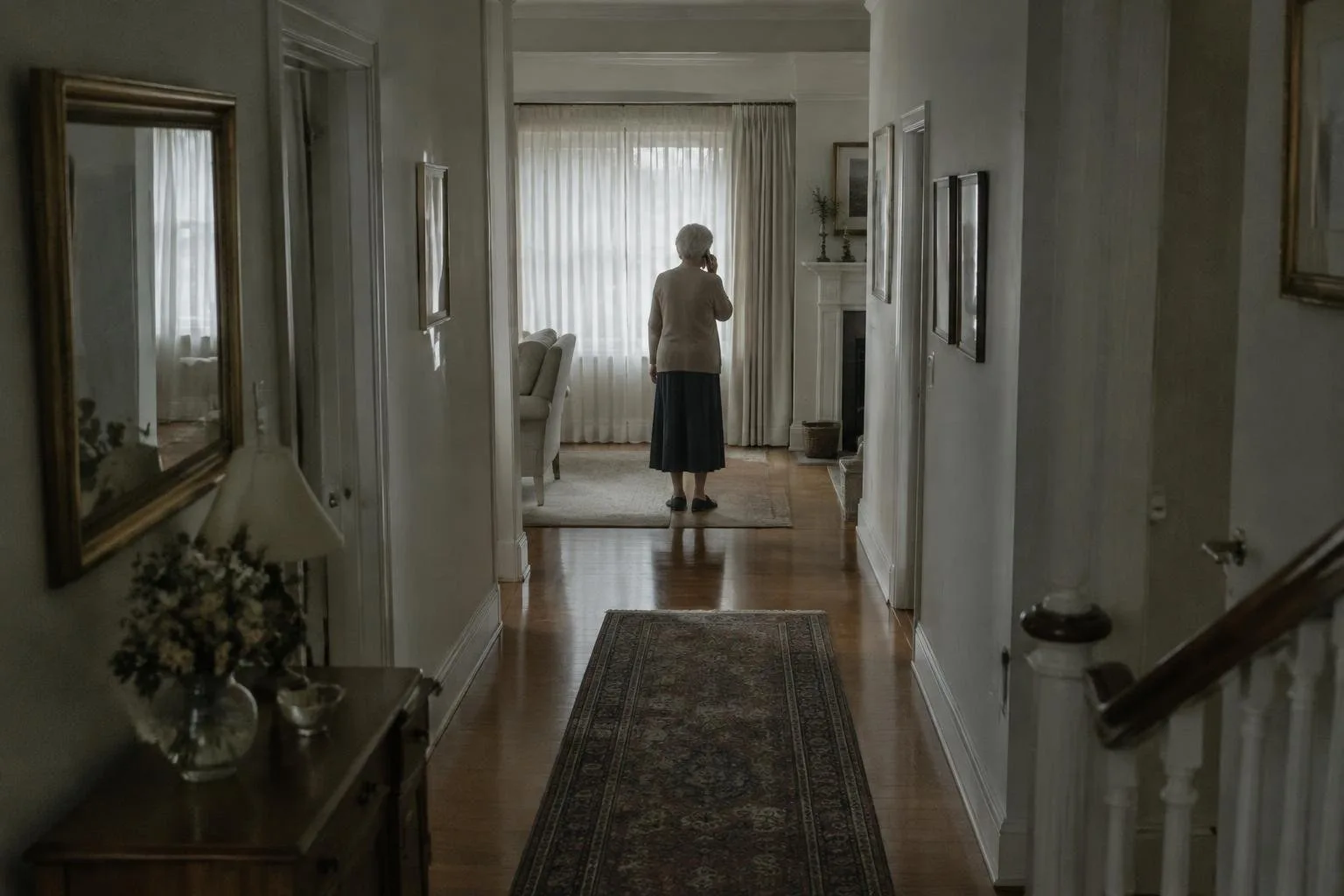
For decades most of us have carried an unspoken picture of what family life will look like once the children are grown, the grandchildren arrive, and holidays become a chorus of familiar voices. The scene is vivid: Sunday meals overflowing with chatter, Friday nights filled with bedtime stories, and an ever-present safety net of mutual support. Yet, as the years roll past the 50s and 60s, many discover that the lived reality feels like a different photograph altogether.
This mismatch is not always dramatic. Some families are merely scattered across time zones, making frequent contact a logistical hurdle. Others confront deeper ruptures—estrangements, addiction, divergent worldviews, or marriages that have shifted loyalties. Regardless of the scale, a quiet grief often settles in the background, a mourning for the future that never arrived rather than for any tangible loss.
Why the imagined portrait matters and how the gap creates grief
The family expectation narrative is built over years of cultural scripts, personal hopes, and the gentle pressure of community standards. In our 40s, it feels like a “someday” scenario; there is plenty of time for the picture to evolve. After 60, the calendar begins to feel shorter. Holidays are counted, grandchildren’s ages become numbers, and the desire to share moments while still physically able intensifies.
When the real family dynamics do not align, the mind does not simply dismiss the discrepancy. Instead, it registers a loss of a future that was emotionally invested in. Friends may struggle to understand why you feel sad when, on the surface, “everything is fine.” The grief is genuine because it is attached to a future self that imagined growing old surrounded by the very people you hoped to nurture.
Naming the loss: a first step toward gentle acceptance
Putting a label on the disappointment is surprisingly powerful. Try completing these prompts on paper or in a journal:
- I always thought, by now, my family would…
- The thing I miss most that never actually happened is…
- When I see other families, the part that stings is…
Most people are surprised by the specificity that emerges: a grandchild learning to knead dough in your kitchen, a daughter’s spontaneous phone call just to say hello, or a son sitting beside you during a Sunday service. These details are not trivial; they are the concrete elements of the vision you grieved.
Allow yourself to feel the sorrow attached to each missing vignette. Recognising the grief validates the emotional experience and prevents it from turning into resentment toward your children or yourself.
Shifting focus: practical ways to let go with love
Once the imagined script is named, you face a choice. Continuing to measure reality against an ideal fuels bitterness. Letting go does not mean abandoning love for your children; it means releasing the rigid script so you can meet the authentic people they have become.
1. Celebrate the actual relationship
If your son calls once a month, savor the warmth of that conversation instead of mourning the missed calls. Treat each interaction as a unique gift rather than a shortfall.
2. Redefine closeness
Technology can reshape intimacy. A weekly online word game, a handwritten letter, or a video call where you read a story to a grandchild can become new rituals that honor connection despite distance.
3. Expand your circle of belonging
Many people over 60 discover a “chosen family” among neighbors, church groups, or younger friends who value mentorship. These relationships provide emotional nourishment that complements, not replaces, blood ties.
4. Invest in personal passions
Enroll in a painting class, plan a short travel adventure, volunteer at a local charity, or start a garden. Pursuing interests affirms that your life holds intrinsic worth beyond the family narrative.
Each of these actions embodies the two truths central to this transition: grief is part of letting go and this is not the end of the story. By acknowledging the loss and simultaneously creating space for new experiences, you allow the imagined picture to rest while your hands remain free to hold what is truly present.
Remember, the portrait you once painted was a work of love. Mourning its absence is natural. Setting it down gently creates room for the evolving masterpiece of your present life.