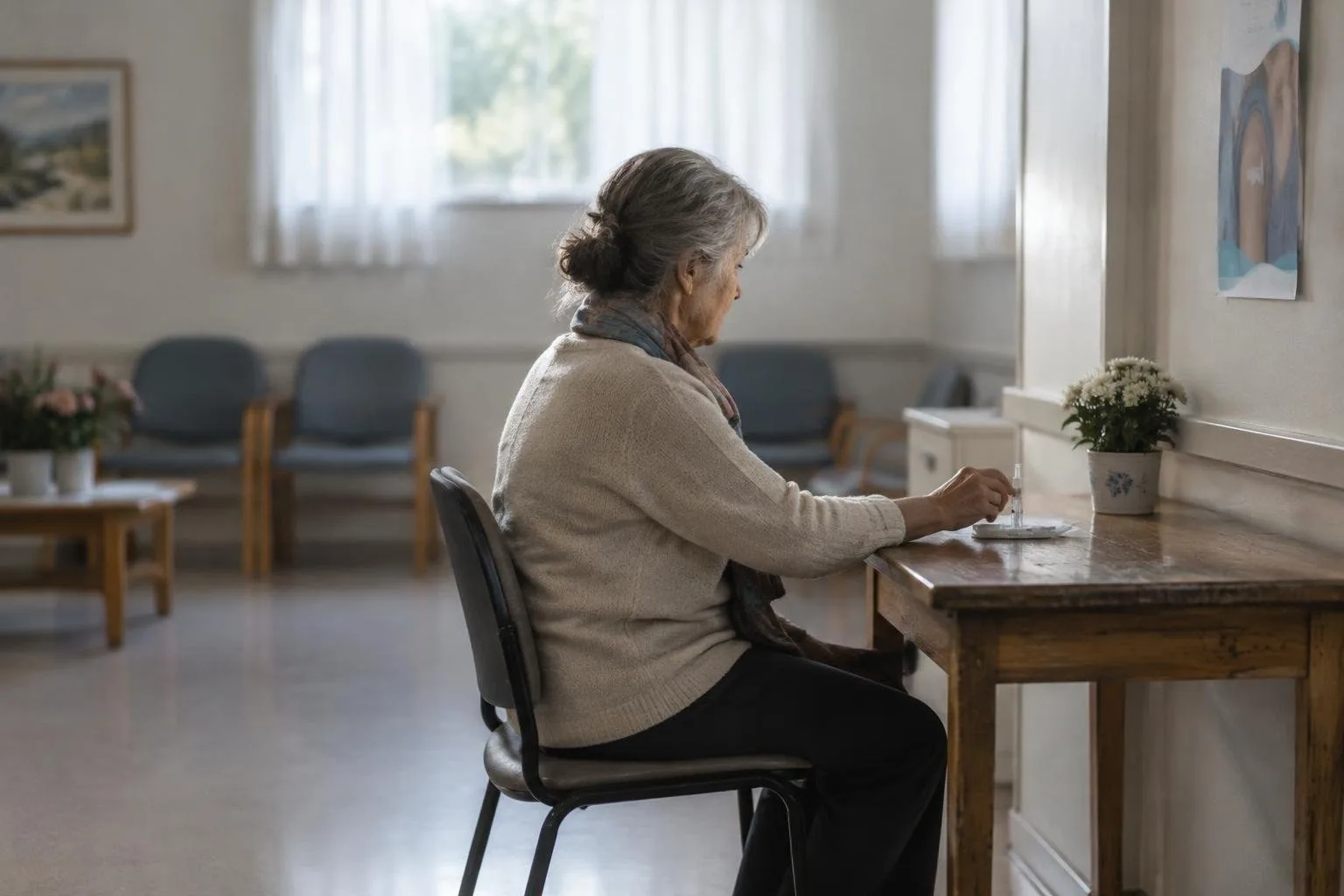
When a friend suggested the Netflix title Man on the Inside, I expected another typical mystery. Instead, I found a light-hearted detective tale set inside a senior-living community, led by a cast whose careers span several decades. The series follows a retired man, played by Ted Danson, who turns amateur sleuth to recover a stolen item. Beyond the plot, the show serves as a vivid illustration of the concept creative aging—the idea that artistic expression flourishes at any stage of life.
Veteran talent brings humor and depth
The centerpiece, Ted Danson, is instantly recognizable as Sam from the classic sitcom Cheers. Opposite him, Mary Steenburgen, an Academy Award winner, portrays his romantic interest, adding both gravitas and charm. The supporting roster reads like a who’s-who of seasoned performers: Sally Struthers, remembered for her role as Gloria Bunker in All in the Family; Lori Tan Chin, who earned acclaim in Orange Is the New Black; Stephen McKinley Henderson, a Tony-nominated actor who shared the stage with Denzel Washington in the film adaptation of Fences; Margaret Avery, famous for playing Shug in The Color Purple; and Veronica Cartwright, a three-time Prime Time Emmy nominee. All are in their 70s or 80s, reminding viewers that experience can enhance, not hinder, performance.
Creative aging in action: Lifetime Arts’ grant program
Inspired by such on-screen examples, my writing partner and I applied for a grant from Lifetime Arts, a U.S. nonprofit dedicated to improving older adults’ lives through the arts. Their “Creative Aging” initiative cites a striking demographic fact: “61.2 million Americans are 65 or older, and by 2030, older adults are projected to outnumber children nationwide.” With the funding, we taught a play-writing workshop at a local Art Center, guiding participants aged from their late 50s to early 80s. Over ten sessions, each student crafted a ten-minute piece, drawing on lifelong love stories, neighborhood memories, hidden family secrets, and even tragic experiences of abuse. The final public reading revealed not only polished storytelling but also a palpable surge in confidence and pride among the seniors.
Health dividends of arts participation
Research supports the transformative power observed in our classroom. A study by the National Endowment for the Arts found that seniors who attend weekly arts classes show heightened psychological resilience and sharper cognitive function. Similarly, a 2019 World Health Organization review highlighted that artistic interventions can prevent or manage chronic conditions such as cardiovascular disease and frailty, while also enhancing mobility and easing persistent pain. Socially, the Aging and Health Research Center notes that collaborative creative activities foster community bonds and deepen interpersonal connections, vital for combating isolation among older adults.
Why creative pursuits matter at any age
The narrative of Man on the Inside aligns with real-world data: age does not diminish the capacity to innovate, improvise, or entertain. Whether on a streaming platform or in a community workshop, older artists demonstrate that the creative impulse is ageless. By providing accessible art programs, organizations like Lifetime Arts help unlock that impulse, delivering mental stimulation, physical well-being, and social cohesion. As the senior population continues to expand, investing in creative outlets becomes not just a cultural enrichment strategy but a public-health imperative.