
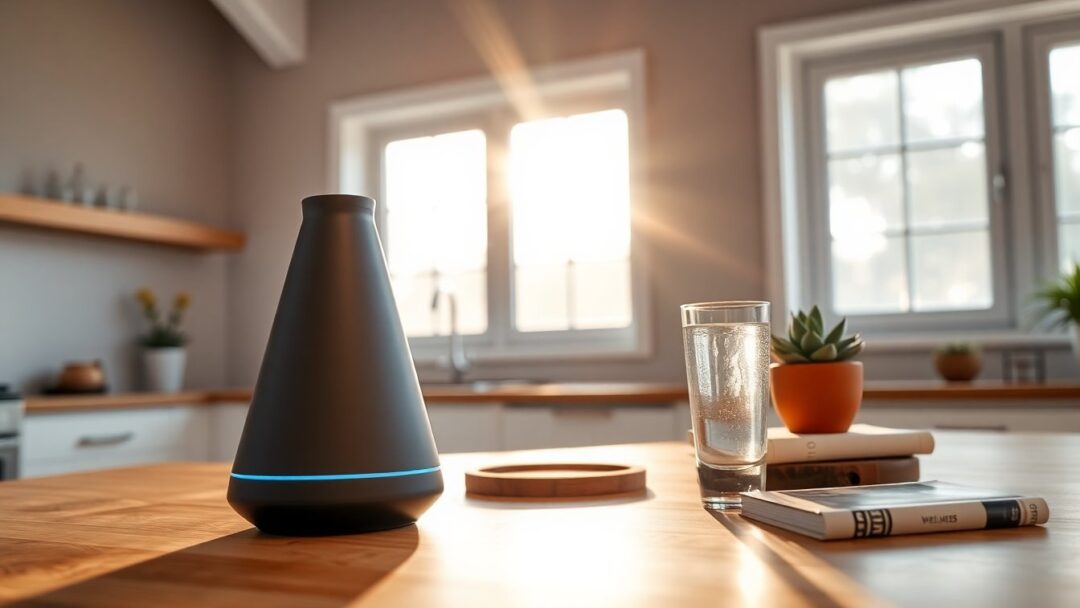
A wellness home is a living space that prioritizes the health and wellbeing of its occupants. It is designed to provide a healthy indoor environment that supports physical and mental wellbeing. In this article, we will explore the key features of a wellness home, including air and water qualitycircadian lightingthermal comfort and restorative spaces.
Generally, a wellness home is designed to promote physical and mental health. This can be achieved through the use of natural materialsnon-toxic paints and air purification systems. Additionally, a wellness home should have access to natural light and fresh air which are essential for physical and mental wellbeing.
Air and Water Quality
Air quality is a critical aspect of a wellness home. Poor air quality can lead to respiratory problems and other health issues. To improve air quality, homeowners can use air purification systems and ventilation systems. Additionally, indoor plants can help to purify the air and improve indoor air quality.
Water quality is also essential for a wellness home. Homeowners can use water filtration systems to remove impurities and contaminants from the water. Additionally, low-flow showerheads and toilets can help to conserve water and reduce water waste.
Circadian Lighting
Circadian lighting is a type of lighting that mimics the natural light-dark cycle of the sun. It can help to regulate the body’s circadian rhythms and improve sleep quality. Homeowners can use smart light bulbs and lighting systems that adjust the color temperature and brightness of the light throughout the day.
Thermal Comfort
Thermal comfort refers to the feeling of being comfortable in a space due to the temperature and humidity levels. Homeowners can use thermostats and heating and cooling systems to regulate the temperature and humidity levels in the home. Additionally, insulation and weatherstripping can help to reduce heat loss and heat gain.
Restorative Spaces
Restorative spaces are areas in the home that are designed to promote relaxation and stress reduction. They can include meditation roomsyoga studios and outdoor spaces. Homeowners can use natural materials and calming colors to create a peaceful and relaxing atmosphere in these spaces.
Typically, renters have limited control over the design and construction of their living space. However, there are still many ways that renters can create a wellness home. For example, renters can use air purification systems and indoor plants to improve indoor air quality. Additionally, renters can use smart light bulbs and circadian lighting to regulate their circadian rhythms.


