



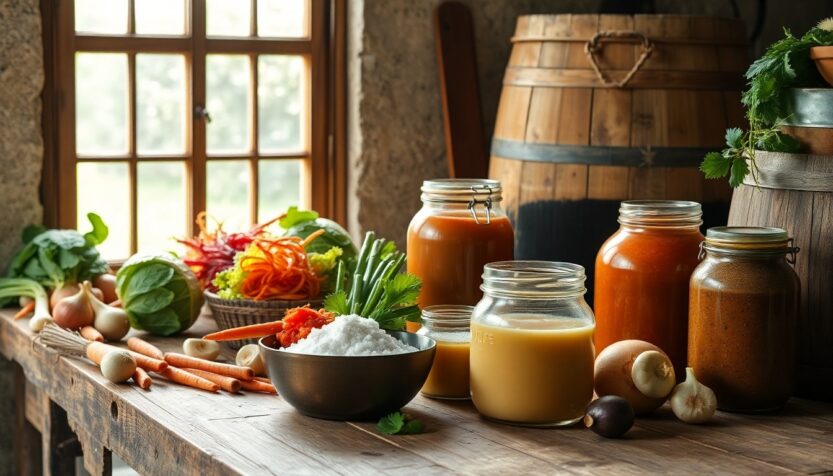
a sensorial journey through fermented flavors and terroir
The palate never lies… The warm, slightly tangy breath of kimchi. The deep, savory hush of aged miso. These sensations deliver more than taste. They map time, microbial activity and technique. Fermentation turns raw produce into layered memories.
behind the ingredient: a short history of fermentation
Behind every dish there’s a story… Fermentation is among the oldest food technologies. It originated as a preservation method and evolved into a deliberate flavor practice. European sauerkraut, Asian soy ferments and southern Italian vinegars illustrate parallel developments across regions. Each method amplifies acidity, texture and umami, shaping modern culinary preferences.
As a chef I learned that technique and terroir are inseparable. Microbial strains, ambient temperatures and ingredient provenance define outcome. Producers who maintain a short supply chain protect those variables. The result is a product that carries both place and process.
Accessible technique: how fermentation works in the kitchen
The palate never lies. The result is a product that carries both place and process. As a chef I learned that fermentation is controlled transformation, not culinary magic. It relies on four practical variables: microbial activity, salt, time and temperature. Each factor shapes flavor, safety and texture.
Salt reduces unwanted organisms and favors beneficial lactics. Time allows enzymes and microbes to release amino acids and sugars into the matrix. Temperature determines the speed and character of the biochemical reactions. Adjust any of these and you change the final balance between sweet, sour and savory.
Start with simple, reliable technique. Use a clean stainless-steel or glass jar, firm fresh produce and a measured brine. Weigh ingredients when possible. Rely on smell, texture and modest gas release as your safety cues rather than guesswork. The palate and the senses guide assessment: a bright acid, clear aroma and crisp bite indicate successful development.
Technically speaking, lactic acid bacteria convert sugars into lactic acid, lowering pH and creating an environment that preserves food. The process also increases free amino acids, producing complex umami notes that deepen dishes. Behind every ferment there is a chain of biochemical steps that explain why fermented foods pair well with fat and acid in composed plates.
Think of fermentation as culinary engineering with a sensory goal. Control the variables, monitor progress, and let the technique sing the terroir of the ingredients. Behind every dish there’s a story told by texture and taste.
the technique made tangible: step-by-step for home cooks
Behind every dish there’s a story told by texture and taste. The palate never lies, and fermentation reveals both.
Begin at the sink. Wash and trim produce thoroughly. Massage with salt to release juices and form a natural brine. Pack the vegetables firmly so air pockets are minimized.
Use a weight to keep solids submerged beneath the brine. Maintain a stable, cool room temperature during the initial phase. Check daily for bubbles and a clean, lactic aroma.
Taste at set intervals. Early stages yield bright, crunchy notes. With time, textures soften and aromatic complexity increases. Record each tasting to track progression.
For a faster umami lift, add aged finishing elements sparingly. A small spoonful of miso or a few drops of fish sauce will deepen savory notes without dominating the ferment. Finish with a shaving of aged cheese when serving, if appropriate.
Prioritize provenance. Filiera corta and ingredient integrity reduce off-flavors and support predictable results. Choose fresh produce from trusted suppliers whenever possible.
Hygiene matters. Use clean jars and utensils to limit unwanted microbes. If surface yeast appears, skim it promptly; discard any ferment with unpleasant odors beyond lactic sourness or visible mold.
Keep notes on salt ratios, temperatures and days to desired acidity. These records turn trial into reproducible technique and feed future experiments.
Expect variation. Seasonal produce and subtle environmental shifts change timing and character. Treat each batch as a culinary story connected to place and process.
Terroir and sustainability: why local matters
As a chef I have learned that terroir—soil, climate and farming practice—imprints flavor across every fermentation. The palate never lies: a cabbage from mineral-rich loam yields a different sauerkraut than one grown in sandy soil. Prioritizing local producers supports a filiera corta that shortens transport, follows seasonal cycles and helps preserve biodiversity.
Organizations such as Slow Food and Gambero Rosso underscore that taste and ethics can align. Sourcing locally reduces food miles and often ensures closer relationships with growers, which aids traceability and promotes regenerative practices. For home fermenters, choosing ingredients from nearby farms is both a culinary decision and an environmental one.
From kitchen to plate: stories and pairings
Every jar carries a compact terroir map. Pair a bright lacto-fermented carrot with oily fish to amplify its umami, or add a spoonful of red wine vinegar ferment to cut through a rich braise. As a chef I learned that acid lifts fat and that balanced acidity can reframe a dish’s narrative.
Consider texture and provenance when composing a plate. A subtle kimchi complements slow-cooked pork shoulder by brightening the fat and deepening savory notes. Behind every dish there’s a story of place and process; treating each batch as an ingredient with origin informs smarter pairings and richer dining experiences.
Invitation to experience
Begin with one jar and a daily habit. Observe the aroma, the faint fizz, the shift in texture. Il palato non mente mai—the palate never lies. Behind every fermented jar lies a story of time, terroir and human care.
As a chef I learned that slowing down reveals detail. Treat each batch as an ingredient with origin; record where each element came from and how it was handled. That practice clarifies pairings, sharpens menus and elevates the dining experience.
Fermentation becomes practice when provenance and provenance transparency are prioritised. Taste deliberately, note variations, and share sourcing with guests and fellow cooks. Behind every dish there’s a story of place and process that sustains culinary traditions and promotes responsible supply chains.
Preserving provenance links table to field and supports resilient local food systems.
Keywords: fermentation, umami, terroir