
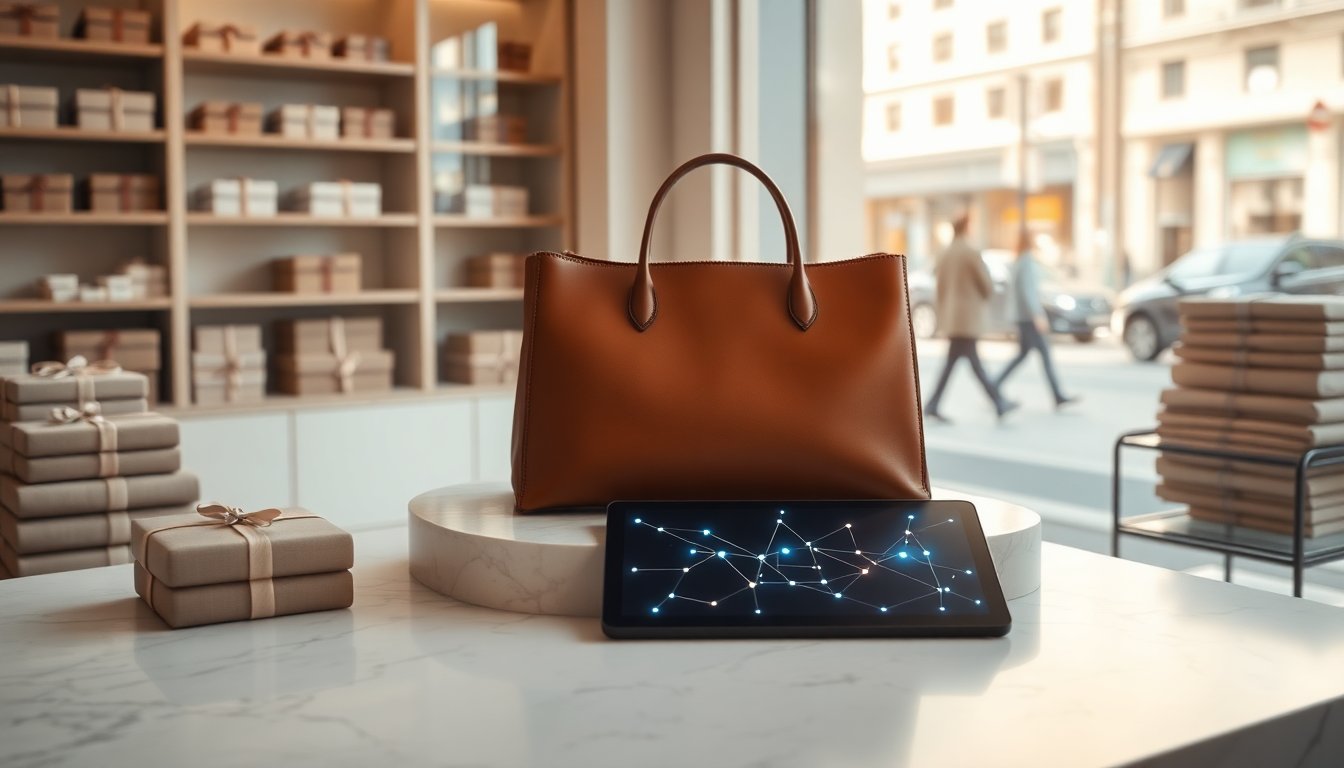
When Dr. Nasrin Mostafazadeh and her husband first arrived in New York City from Iran, the view from their apartment window framed a symbol of retail prestige: the Fifth Avenue flagship of a storied department store. Seeing that same marquee declare “going out of business” became a catalyst. That sense of cultural loss pushed the couple, both longtime researchers in machine learning, to ask a practical question: could artificial intelligence be applied to preserve the in‑person, curated retail experience rather than simply digitize it?
They turned that curiosity into a company. In 2026 they founded Verneek, a start‑up that builds both front‑facing tools and back‑end systems for retailers. Working with partners that include Google Cloud, the team focuses on operational improvements and customer engagement across a spectrum of sellers, from grocery chains to multibrand stores. The founders describe their work as augmented intelligence — a collaborative model in which human judgment is enhanced by algorithms — aimed at making shopping smoother without erasing the human touch.
The origin story: a window seat, a wake‑up call
The image of a luxury storefront closing felt like more than a market blip to Mostafazadeh; it was evidence that legacy retailers were running on fragmented systems and outdated software. As she raised capital, she encountered investors who dismissed luxury as irrelevant — some admitting they did not even recognize the acronym LVMH (for tech readers: Louis Vuitton Moët Hennessy). Rather than retreat, she targeted the gap. The idea was straightforward: provide retailers with tools that combine inventory data, customer history and personalized recommendations so a sales associate can deliver the same curated outcome a shopper expects online, but in person.
What Verneek builds and why it matters
Verneek’s product suite ranges from customer‑facing assistants to analytical platforms that optimize stock and predict demand. The start‑up emphasizes personalization in both the physical and digital realms. Online, shoppers often become trapped in endless browsing; in stores, sales associates too frequently lack the systems to offer alternatives when a coveted item is sold out. Verneek’s tools aim to bridge those gaps by surfacing relevant suggestions in real time and aligning staff recommendations with available inventory.
In‑store personalization
Imagine a shopper who wants a specific boot style that is no longer on the shelf. With the right data at hand, a store associate could instantly retrieve purchase history, size preferences and similar in‑stock items, creating a tailored replacement. Verneek positions this as a way to scale what used to be white‑glove service: human advice supported by real‑time data rather than guesswork. The founders stress that consumers shouldn’t feel surveilled; the goal is frictionless assistance that respects privacy while improving conversion.
Operations and forecasting
Beyond interactions at the point of sale, Verneek applies machine learning models to supply chain and trend forecasting. These systems can identify inventory shortfalls, predict what styles will gain traction and recommend production levels that reduce waste. Midmarket challengers have shown how powerful that approach can be—businesses that design systems from the ground up are often quicker to iterate than large incumbents tied to legacy platforms.
Industry response and the strategic stakes
Advisers from traditional luxury are taking notice. Geoffroy van Raemdonck, recently tasked with steering a major retailer through bankruptcy recovery, advises Verneek and warns that leadership must own the company’s AI agenda to capture value. Yet the sector must balance automation with the intangible elements that make luxury special. As a critic put it, automation can undermine the experiential core of luxury retail if deployed without care.
Meanwhile, midmarket brands are openly embracing data‑driven models. Public and private companies from Revolve to Quince have foregrounded AI in their investor narratives—Revolve reportedly invoked the term dozens of times on an earnings call, and Quince reached a valuation above $10 billion in March, attributed in part to a proprietary Manufacturer‑to‑Consumer platform that forecasts demand before large production runs. Executives at those firms argue that it is easier to build new systems than to retrofit old ones, a reality that keeps legacy houses under pressure.
For Mostafazadeh, the mission remains personal. She argues that cities need curated spaces where discovery happens face to face, and that technology should be used to sustain—rather than replace—those encounters. Looking out over Midtown and the neighboring department stores, she frames Verneek as a defensive play for retail diversity: technology that helps a Macy’s avoid the fate of other fallen names, and that gives sales associates the tools to keep curation alive. In that sense, her company is as much about cultural preservation as it is about efficiency.


