



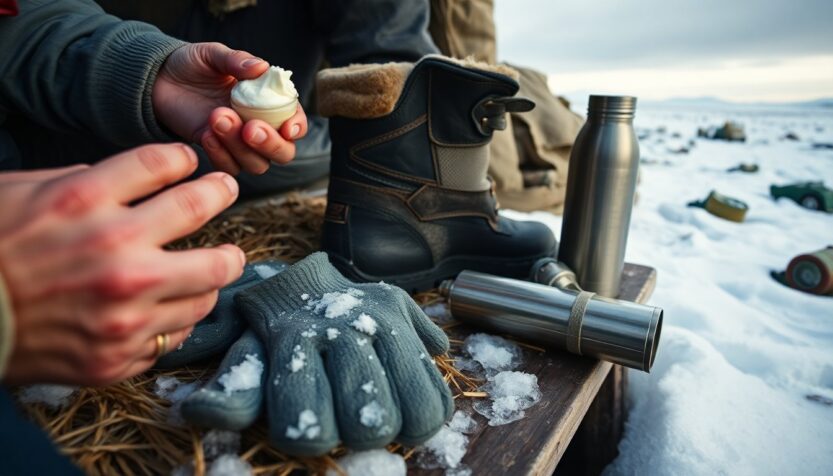
Felicity Aston spends her life where most people won’t: on ice, wind-swept plains and a tiny island south of the Arctic Circle. Best known for her solo ski crossing of Antarctica in 2012, she now runs expeditions, gives talks and raises a family on Vigur Island — an eiderdown farm and nature reserve. Her secret to surviving long, cold journeys isn’t heroic grit so much as careful, repeatable habits. Small rituals—simple, non-negotiable actions—keep skin and feet healthy, conserve energy and prevent minor annoyances from snowballing into medical crises.
Why routines matter
Polar travel collapses quickly when tiny problems compound. A blister left unchecked can become an infection; damp socks can lead to trench foot. Aston’s approach is ruthlessly preventive: frequent inspections, moisture control, redundant clothing systems and bite-sized tasks that stop small issues from cascading. Beyond the physical benefits, these rituals free up mental bandwidth. When essential practices run on autopilot, the team’s judgment is reserved for navigation and safety, not scrambling to fix preventable problems.
A day on the ice
A typical day follows a steady rhythm: pre-dawn preparation, blocks of travel, and a careful camp rebuild. The work is ordered and purposeful.
- – Locomotion: Sledges are packed by weight and fragility to preserve balance; teams rotate pulling shifts to distribute fatigue and keep navigation sharp. – Camps: Sites are chosen for shelter from prevailing winds, firm snow for reliable anchors and alignment with the planned route. – Physiology: Stoves are run for water and hot food, hydration is rationed and prioritized, and clothing is layered to trap warmth while avoiding moisture buildup.
Foot care gets special attention because feet determine travel speed. During sheltered breaks boots come off, feet are dried and inspected, liners rotated and spare socks swapped in. Those brief routines dramatically reduce infections and keep walking efficient over weeks or months.
Protecting skin and hair
Sun, wind and glare are relentless allies of damage. Aston’s skincare routine layers sun protection with barrier creams and gentle cleansing to remove salt, sweat and abrasive particles.
- – Sun protection: Physical, high-SPF blockers guard against intense UV at high latitudes. – Barrier care: Occlusive balms and richer night creams reduce water loss and shield skin from wind and ice. – Maintenance: Gentle cleansing clears irritants that weaken the skin’s defenses.
Practical tip: tacky, child‑grade sunscreens often stay put better in gale conditions, and a heavier night cream can restore the skin’s barrier during camp recovery. Yes, these products add weight and can stain clothing, but they prevent painful fissures and chapping that slow a whole team down.
Hands, lips and precision work
Extremities demand focused treatment. A zinc‑oxide ointment around nail beds prevents transepidermal water loss and cracking; an emollient, high‑SPF lip balm protects the delicate vermilion border. Apply before exposure, after washing, and at regular intervals during work. For tasks that require nimble fingers, use a light film of product and thin nitrile gloves so dexterity isn’t sacrificed. Consistent, small actions like these cut down on medical visits and keep crews functional.
Mental architecture: rituals, reframing and reintegration
The psychological load of isolation and monotony needs structure as much as the body does. Aston treats mental resilience like a system: anchor rituals, simple cognitive tools and staged returns to social life.
- – Anchors: Fixed times for sleep, movement and maintenance reduce decision fatigue. – Reframing: Turning intrusive or worried thoughts into concrete, manageable actions preserves momentum. – Graduated reintegration: Phased social contact smooths the transition back to regular life after long solo stretches.
Those strategies produce steadier decision-making on the ice and a gentler emotional landing afterward. The trick isn’t rigid discipline; it’s a flexible framework that lets crews adapt when conditions change.
Translating polar practice to everyday life
These rituals aren’t only useful in extreme environments. Rescue teams, research groups and high‑altitude climbers use the same checklists: scheduled foot inspections, planned hydration and fixed rest cycles. Employers with remote or deployed staff can borrow staged re-entry tactics to ease post-mission stress. At home, predictable routines help parents, shift workers and frequent travelers preserve cognitive energy and reduce errors.
Why routines matter
Polar travel collapses quickly when tiny problems compound. A blister left unchecked can become an infection; damp socks can lead to trench foot. Aston’s approach is ruthlessly preventive: frequent inspections, moisture control, redundant clothing systems and bite-sized tasks that stop small issues from cascading. Beyond the physical benefits, these rituals free up mental bandwidth. When essential practices run on autopilot, the team’s judgment is reserved for navigation and safety, not scrambling to fix preventable problems.0