



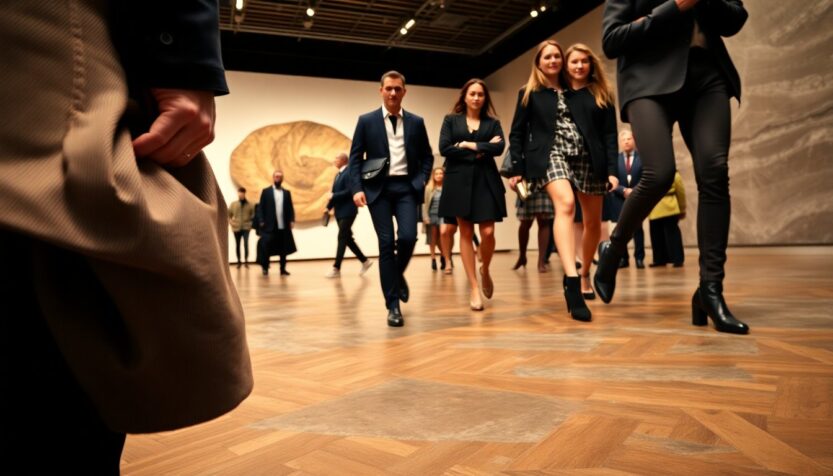
New York felt split in two this week: one city pulsed to the rhythm of Fashion Week, the other moved to the cadence of museum announcements and art-world headlines. Designers sent fresh collections down crowded runways while institutions rolled out major initiatives and magazines ran prominent coverage. The result was a rare cultural collision—runway imagery and museum news vying for the same attention span.
When shows, press previews and blockbuster openings overlap, attention compresses. Editors, photographers and influencers suddenly inhabit the same narrow window, and that concentration decides what lands in feeds and front pages. A star-studded runway can command the internet for a day; a sweeping retrospective can shape conversations for months. Faced with both, newsrooms and platforms must pick which story to amplify—and those editorial choices go a long way toward shaping what the public remembers.
That rivalry isn’t rigid. Some outlets keep fashion and art on separate beats, but others deliberately trace the connective tissue: material innovation, revisionist histories, and questions of representation travel easily between galleries and catwalks. Museums, for their part, respond strategically. Smaller institutions often avoid peak fashion moments to sidestep the crush; larger museums sometimes lean into the overlap, programming late-night openings or fashion-adjacent events to catch spillover interest. For the casual audience this churn can mean choice overload; for insiders and curious city-goers, it produces a serendipitous cross-pollination—an afternoon that moves from runway to gallery with a thread of shared themes.
Money complicates the picture. Big exhibitions attract sponsorship that can rival fashion budgets, and brands increasingly use museum partnerships to burnish cultural credentials. When calendars collide, funding and programming priorities shift: marketing teams reallocate resources, institutions adjust release strategies, and brand activations are redesigned around a crowded cultural moment. The organizations that win long-term engagement are those planning beyond headline-driven bursts—crafting layered experiences that reward sustained attention rather than chasing one-off spikes.
This week’s buzz also carried a darker refrain: a high-profile ticketing scandal tied to a major museum. Reported accounts allege coordinated abuse of admissions systems and inside collusion that siphoned millions in revenue. Investigations, which reportedly involve arrests of museum staff, tour guides and alleged organizers, point to roughly €10 million in suspected lost sales connected to the Louvre; prosecutors and museum officials have yet to finalize public accounting or charges. The episode has put a spotlight not just on criminality but on structural vulnerabilities inside popular cultural sites.
According to reporting, the scheme exploited the way high-traffic attractions distribute and validate entry. Organized networks—possibly aided by insiders—manipulated ticket channels and the resale market, turning a system designed for access into an avenue for fraud. The fallout underlines a simple truth: when institutions rely heavily on high-volume admissions and third-party distributors, gaps in ticketing platforms can translate into substantial financial and reputational harm.
Responses are already taking shape. Museums will likely tighten access controls, restrict allocations to third parties, extend audit trails and adopt stronger digital verification. Vendors and auditors will face close scrutiny. For brands that use exhibitions as marketing platforms, compromised ticket integrity diminishes the value of exclusive partnerships and raises the reputational stakes of tie-ins.
Beyond immediate technical fixes—stricter vendor vetting, time-limited e-tickets and layered authentication—this scandal might prompt bigger governance questions. Boards and executive teams could be pushed to rethink contracting practices, oversight mechanisms and the balance between earned and earned-adjacent revenue. If the reported losses hold up, the episode will read as a cautionary tale about the risks of monetizing cultural moments without commensurate controls.
For journalists and communications teams, the week was a study in editorial triage. Story selection increasingly rewards nimble spokespeople and agile comms strategies—those who can supply timely assets, layered programming and narratives that fit into the broader cultural conversation. Expect more coordinated cross-platform campaigns and deeper collaborations between museums, fashion houses and media companies—partnerships designed to sustain interest rather than feed a single news cycle.
Looking ahead, the collision of runways and museums in New York suggests a few durable shifts. First, visibility now demands operational rigor: institutions must protect both their revenues and reputations with stronger systems and clearer governance. Second, cultural actors will continue to experiment with timing and programming—some will hide from the noise, others will deliberately step into it to amplify reach. And finally, the most successful players will be those that think in terms of seasons and narratives, building multi-layered experiences that hold attention beyond a single headline.
When shows, press previews and blockbuster openings overlap, attention compresses. Editors, photographers and influencers suddenly inhabit the same narrow window, and that concentration decides what lands in feeds and front pages. A star-studded runway can command the internet for a day; a sweeping retrospective can shape conversations for months. Faced with both, newsrooms and platforms must pick which story to amplify—and those editorial choices go a long way toward shaping what the public remembers.0