



The transition from parenting one or two children to managing a large family can feel overwhelming, but many parents who live it say the secret is not perfection—it’s systems. In conversations with families who raise many children, common threads appear: clear routines, realistic expectations and a sense of humor. Those approaches form the backbone of what experienced parents call big-family wisdom, a set of informal practices that keep logistics, emotions and schedules from spiraling. Expect practical hacks, emotional guardrails and community strategies rather than miracle solutions; these are adaptations that evolve over years, not overnight fixes.
Even small changes can have outsized benefits when you have several children under one roof. The tips that follow were offered by parents who emphasize consistency over control and value systems that can be taught to kids. Many of these families describe rituals as their superpower: predictable rhythms for mornings, meals and bedtimes that reduce friction. These rituals form part of an overall household architecture that supports independence, minimizes daily decision fatigue and preserves time for focused parenting moments.
Practical daily strategies
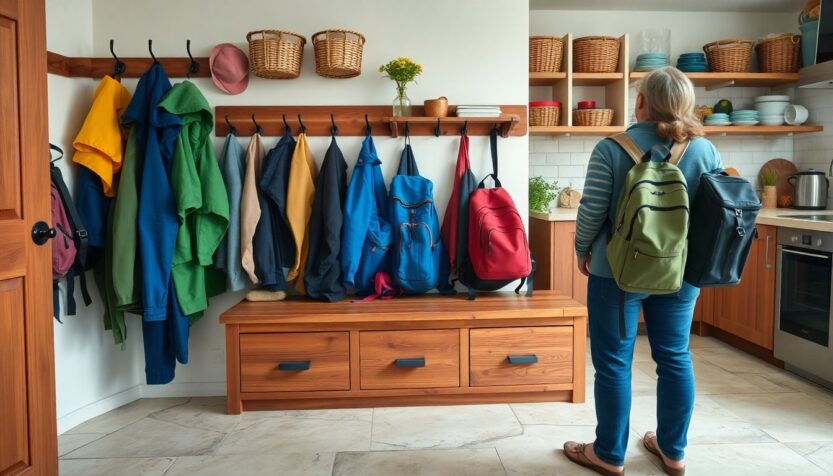
On a practical level, the most repeated advice centers on meal planning, simplified wardrobes and shared chores. Parents recommend batch cooking, breakfast stations and rotating menus so food prep doesn’t become a daily crisis. Clothing is often handled through labeled bins or a simple color system that speeds dressing and laundry. Many large families rely on work-sharing where age-appropriate chores are distributed and taught early; this reduces parental load and helps children build competence. Clear visual systems—charts, bins and labels—cut down on questions and give children straightforward roles they can complete independently.
Meals and sleep hacks
When it comes to feeding and rest, families lean on repeatable methods: designate snack baskets, set up an assembly-line for lunches and use staggered bedtimes to create pockets of calm. Parents suggest prepping ingredients on one day for the week (batch cooking) and using simple recipes that scale easily. For sleep, rituals like a short reading routine or dimmed lights cue the household toward rest. These tactics function as predictable anchors, signaling to kids what comes next and reducing resistance. Small investments in these areas often repay themselves in fewer meltdowns and more consistent sleep across the household.
Emotional and relationship approaches
Maintaining connection is a priority even with many children; parents recommend short, intentional interactions rather than waiting for a long uninterrupted conversation. Practices such as five-minute check-ins, one-on-one walks or bedtime stories help sustain individual attention without requiring large blocks of time. Families also emphasize teaching conflict resolution and celebrating small responsibilities to build a cooperative culture. Modeling calm responses, using humor to defuse stress and setting realistic expectations for behavior are all part of keeping sibling relationships healthy and manageable.
Systems and community support
Beyond home routines, external systems matter: a shared family calendar, a points-based chore system and a network of swaps with other families can be transformative. Many parents lean on community for everything from clothing exchanges to carpools—creating a network of reciprocal help that multiplies resources. Financially, pragmatic measures like bulk buying and reusing gear minimize waste. Parents describe these approaches as infrastructure—the behind-the-scenes organization that makes day-to-day life possible. Framing help as a team effort rather than a personal failure opens doors to support.
No single trick replaces patience or consistent practice, but together these approaches form a toolkit that helps large families thrive. The overarching themes are simple: build predictable systems, teach kids responsibilities early and accept that good enough often beats perfect. For many parents, the pleasant surprise isn’t that chaos disappears but that household rhythms create space for meaningful moments. If you’re learning to manage more children, borrow a few of these ideas, adapt them to your context and remember that relief often grows from small, repeated changes rather than big one-time solutions—this is the heart of parenting tips that endure.