



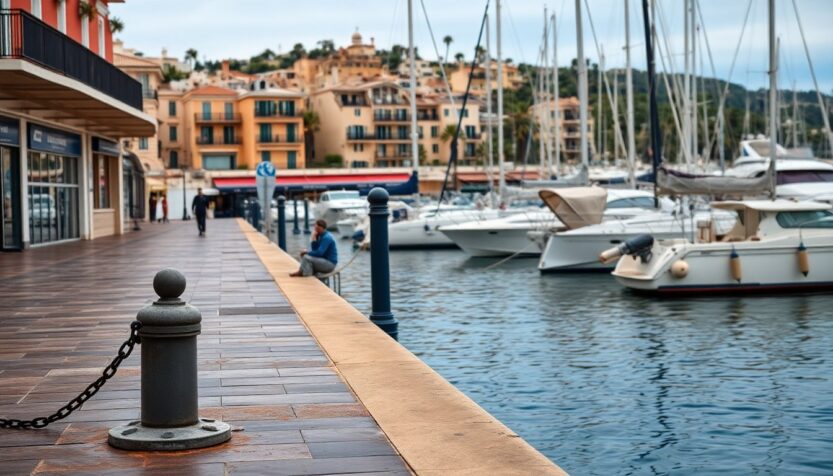
The image of Saint-Tropez as an endless summer of luxury and celebrity is powerful, but it rarely matches the town’s quiet reality for its roughly 4,000 year-round inhabitants. In cooler months the sunlight is pale, the harbor can sit yacht-less, and many storefronts remain closed; the rhythm here slows down into what locals call an off-season mood. That contrast between myth and everyday life matters now because cameras are due to arrive, and the presence of a major television project promises to lift the curtain on both the town’s charm and its tensions.
Behind the rumor mill, preparations are quietly taking shape. Come April, crews for The White Lotus are expected to be in the area, and local managers report that logistics—from crew accommodation to luxury vehicle hires—are being coordinated. Casting notices at nearby studios have already drawn long queues of hopeful extras, a sign of the practical ripple effects a show can create. Industry observers point out that previous seasons produced a surge of interest in featured destinations; that phenomenon, often called set-jetting, can send reservation numbers upward almost overnight.
What the arrival of a TV crew means
For a village that balances seasonal flux, a production represents both opportunity and disruption. On the upside, extra bookings in quieter months can smooth income for hotels, restaurants, and shops that otherwise face long stretches of slow trade. Production teams also bring short-term demand for services such as catering, transport and location hires. Yet there is a countervailing concern about crowding: locals worry that a media spotlight might extend peak-season pressures into months traditionally reserved for residents. The potential for a post-broadcast tourism spike is real, as previous shoots in Sicily and Thailand demonstrated, and municipal planners are already considering how to manage any surge.
How locals are reacting
Shopkeepers and artisans
Among the narrow streets, artisanal businesses offer a measured perspective. At the long-running sandal workshop known as Rondini, craft still dominates daily life. The family-run atelier, founded in 1927, is overseen by a third-generation owner and a younger family member who represent continuity more than spectacle. For them, an influx of visitors in spring could be welcome—helping sales during the off-season—but unchecked numbers in summer would be a strain. Other independent retailers recall past media-driven frenzies, when mere curiosity brought crowds to see a filming location rather than the local heritage that sustains the village year-round.
Hotels and tourism professionals
Hoteliers and boutique accommodation managers tend to view the arrival pragmatically. Some see it as another chapter in a long relationship between Saint-Tropez and global attention, hoping that the series will nudge guests toward shoulder seasons like April or May. Sales executives at recently refreshed properties mention reopening plans in March and expect a bump in international interest. At the same time, veteran owners warn that too much attention in July and August would overwhelm infrastructure and alter the town’s character. Many locals therefore welcome publicity so long as it helps smooth visitor numbers across the year rather than amplify the summer crush.
A long history of spectacle
Television and film are only the latest storytellers to capture Tropézienne drama. Observers and authors who grew up around legendary beach clubs recall decades of extravagant gatherings and famous guests: writers, filmmakers and musicians have all passed through the sands, creating a backdrop that could easily be mistaken for fiction. Figures connected to the town’s past—artists and party hosts—helped build a reputation for glamorous excess, but those same stories contained a darker undercurrent of rivalry, excess and regret. Locals often describe Saint-Tropez as a kind of Comédie Humaine, a theatre of characters whose public lives feed both tourism and local memory, and television is simply documenting scenes that have long played out here.
As cameras prepare to roll, the village remains a place of layered impressions: quiet alleys and workshop smells, a handful of boutiques, the daily routines of residents, and the possibility that a new series could change seasonal patterns. For many merchants and hoteliers, the hope is pragmatic—an offset to slow months—while for others the fear is familiar: that success will be measured by how many people come, not by how the town thrives. Whatever follows, Saint-Tropez’s response will reflect a community negotiating the advantages of global attention against the rhythms of local life.