
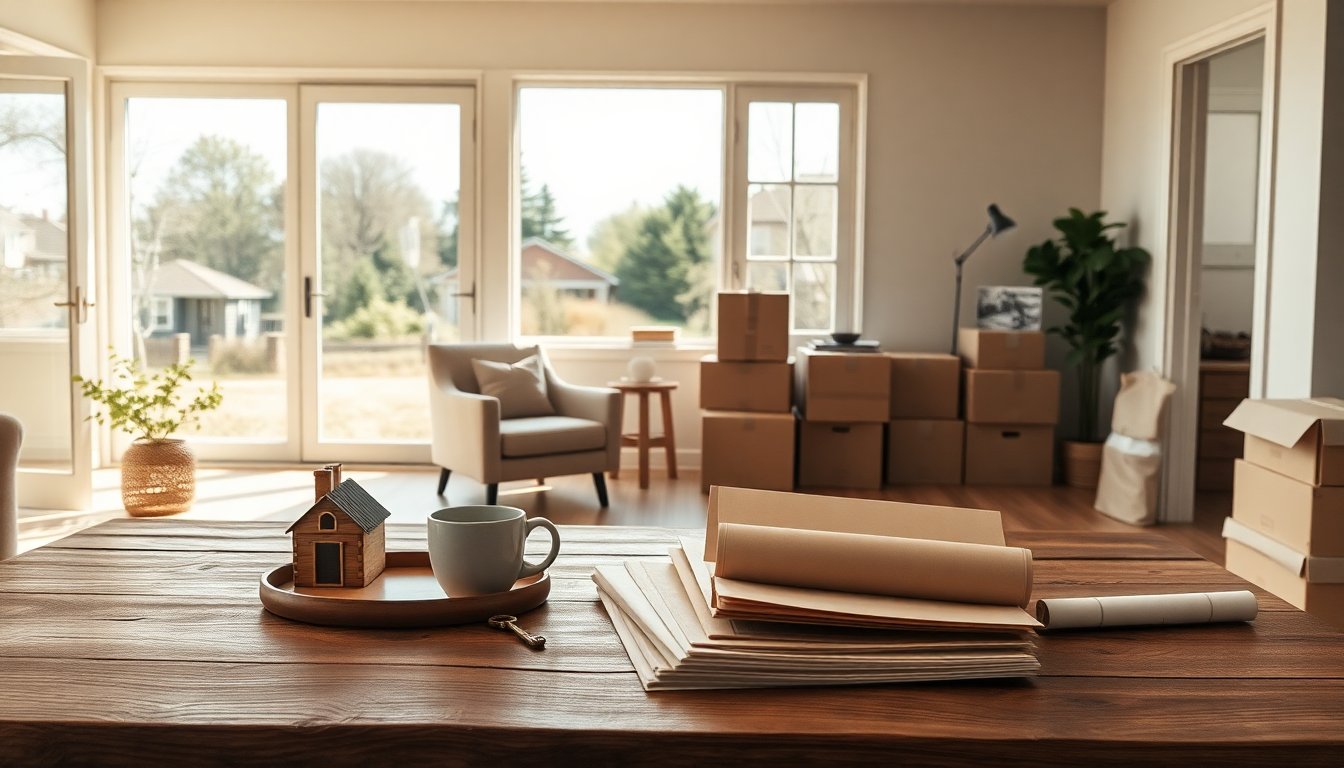
People often use the phrase dream home as if it were interchangeable with perfect. Yet the word perfect implies having no mistake or flaw, which is an ideal few houses actually achieve. In practice, a dream home is a place that meets the needs, tastes, and lifestyle of the person or family living in it. That means location, scale, layout, and daily rhythms frequently matter more than glossy finishes or magazine-worthy opulence. Understanding this distinction helps when you plan, buy, or design a house that serves you now and can adapt as your priorities shift.
House preferences are rarely constant. The same person may picture a sprawling estate during one season of life and prefer a compact, simplified layout later on. Location often ranks as highly as square footage, and features such as an accessible yard, a large kitchen, or privacy from neighbors can outweigh formal grandeur. Thinking of a home as a tool for living — not a trophy — clarifies why dream-home descriptions vary widely from one person to the next, and why they evolve over years.
The varied faces of a dream home
When asked what their ideal home looks like, people will mention everything from a modest cottage by the sea to an expansive two-story with a courtyard. These answers reveal two consistent ideas: the dream home includes both a physical house and an ideal location, and it usually reflects practical needs. For example, some prioritize a large gathering space for family meals and celebrations, while others seek solitude or proximity to urban conveniences. Rather than one universal template, dream homes form around daily routines, social habits, and emotional attachments to place.
Real-world examples from different life stages
Different ages and family situations produce different priorities. One older relative described her ideal as a peaceful place with generous room and calm surroundings, while a middle-aged family member emphasized an open-concept plan large enough for children and grandchildren to visit comfortably. Another person preferred a house with a big garage and an expansive kitchen near outdoor trails, and an elder relative wanted a sunroom, a small yard, and easy access to town. These snapshots show how function and location sit at the center of what people call their dream home.
Common themes to notice
Across these descriptions, certain themes repeat: desire for space that fits family gatherings, need for a practical kitchen, preference for privacy or proximity to services, and a longing for access to nature or recreation. The word fit emerges more often than the word luxury. In short, a house that functions for current life demands will often be more dearly valued than a larger or more ornate property that fails to serve everyday needs.
A personal history of changing dream homes
Experience can illustrate how ideas about an ideal house change. Over the last 40 years I have built four homes: a 1,300 sq. ft. ranch on a small lot; a 1,500 sq. ft. ranch with a basement on one acre; a 2,100 sq. ft. ranch with a basement situated on two hundred acres; and a 5,500 sq. ft. two-story with a large interior courtyard on five acres. Each of these structures matched a particular chapter in life, yet none of them fully represents what I would choose today. Currently I favor a simplified layout under 2,600 sq. ft. with a compact yard, showing how priorities evolve with time and circumstances.
Why dream homes shift and what to do about it
Change is the main reason preferences alter: careers shift, family sizes fluctuate, mobility and health needs arise, and tastes mellow. Viewing the dream home as a temporal match — the place that fits you well at one moment — relieves pressure to find an eternal, flawless residence. Some people are fortunate enough to find a house that suits them for decades; others will reimagine their dream several times. Both paths are valid, and understanding that your ideal home may be a moving target helps you plan smarter moves.
Practical guidance for homeowners
When you consider your own next home, prioritize what will support daily life: how you use rooms, the importance of nearby services, and the flexibility of spaces. Think in terms of adaptability — can a formal dining room become a home office? Will a basement or an accessory unit suit aging-in-place or rental income? Accepting that tastes will shift allows you to design or select a house that can be adjusted rather than discarded as life changes.
A closing thought and invitation
Some people remain rooted to one property their whole lives. An example from my family describes an ancestor who was born and died on the same tract of land, noted in his obituary as having passed in 1916. For others, the ideal home moves with them through stages. Which path describes you? How many homes have you called your dream home, and what features mattered most at each turn? Share your story and compare how lifestyle and time shaped where you feel most at home.


