



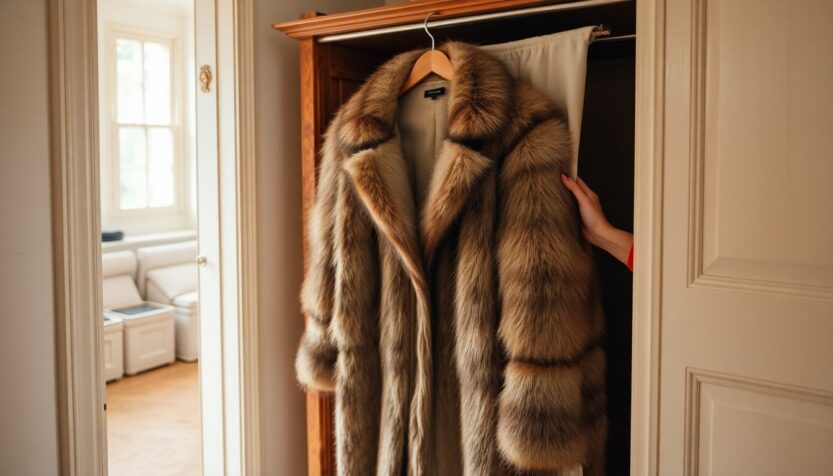
The fur coat is often more than a piece of outerwear; it can be a statement of style and a carrier of family stories. Many women connect a mink jacket or fox stole to weddings, winter trips, or relatives who once wore them. Because the material is organic, a fur requires different attention than synthetic garments. Treating a coat as an heirloom means learning a few small rituals that keep the pelt flexible and the fur glossy. A little annual care prevents common problems that turn an elegant coat into a stiff or brittle item over time.
Storage is the moment when most avoidable damage happens. Hanging a fur in a crowded closet or sealing it in the wrong bag can dry the leather, trap odors, or encourage mildew. The good news is that preservation doesn’t demand elaborate tools: understanding how temperature, humidity, and airflow interact with a natural pelt is enough to dramatically extend its life. This article breaks down the crucial steps and the frequent errors so you can keep your coat ready for winters and future generations.
Why fur needs special storage
Fur is a combination of a hair layer and a hide backing, so it behaves like both textile and leather. The hide contains natural oils that keep it supple and resistant to cracking, while the hairs form a protective insulating layer. If the surrounding air becomes too dry, those oils evaporate slowly and the leather side can stiffen. If the environment is too humid, mold and unpleasant smells can develop. Professional furriers use temperature- and humidity-controlled vaults to maintain a narrow range that preserves both hide flexibility and hair loft. At home, aim to mimic that stability: cool, dark, and consistently ventilated spaces are best for long-term preservation.
Avoid these common storage mistakes
Many of the problems I encounter come from straightforward missteps that are easy to correct. Two major categories are incorrect coverings and harmful nearby substances. Avoiding these will stop most deterioration. A fur shouldn’t be suffocated like a winter blanket nor left near scent-heavy agents that the pelt will absorb. A yearly inspection by a professional can catch small issues early and provide conditioning treatments, but there are everyday choices you can make now to protect texture, shape, and scent without a vault rental.
Mistake: sealing a coat in plastic
Plastic seems protective, but it creates a micro-environment that prevents the pelt from exchanging moisture with ambient air. When a coat sits sealed, condensation can form inside the bag or the hide can slowly lose essential oils, producing a brittle texture. Use a wide, well-padded hanger and allow the coat to hang with ample room around it. For short trips a lightweight breathable cotton garment bag is acceptable, but long-term storage calls for unrestricted airflow. Think of a fur the way you would treat fine leather: it needs space and ventilation rather than being hermetically enclosed.
Mistake: strong odors, cedar, and skipping professional summer storage
Fur absorbs smells readily, so mothballs, heavy perfume, cleaning chemicals, or cigarette smoke can linger in fibers for a long time. Mothballs in particular leave a chemical scent that is difficult to remove even with professional cleaning. Similarly, cedar releases aromatic oils that repel insects but can dry the hide and deposit a persistent fragrance the pelt will take on. During off-seasons many owners benefit from placing coats in a cool, stable environment or using a furrier’s controlled storage. Professional vaults also give technicians a chance to condition the hide and perform minor repairs before the next season.
Selling, maintaining, and simple habits that help
If you no longer wear a coat, there are reputable buyers and furriers who evaluate vintage pieces—often beginning with photos and condition reports. Whether you plan to sell or keep the garment in the family, small habits matter: use a broad padded hanger to preserve shoulder shape, give the coat room to breathe, and air it out if it becomes wet or snow-damp before returning it to storage. Occasionally running your hand gently across the fur or shaking it lightly restores loft. These simple practices, combined with professional assessments when practical, keep a fur garment soft, clean, and ready to pass on.