



The palate never lies. As a former chef, I learned that taste reveals more than flavor; it reveals habits, memory and courage. The journey to a renewed life in later years often begins with a change in thought rather than circumstance. Many people over sixty carry long-held assumptions that narrow options and mute curiosity. The first step is recognising that a fixed mindset can quietly shape choices and close doors. This report outlines how to reclaim the flexible thinking of childhood. It offers clear, actionable steps, definitions and practical exercises that respect lived experience while inviting creative possibility.
Where limiting beliefs come from
…tionable steps, definitions and practical exercises that respect lived experience while inviting creative possibility.
Why childhood imagination matters and how to reclaim it
Many adults carry an internal narrative shaped in childhood by family, school and workplace messages. These messages often frame talents and creativity as fixed. The result can be a set of quiet assumptions—I am too old to change, I am not creative, Change is risky—that guide choices without explicit awareness.
The origins of these assumptions are observable. Early environments that reward correct answers over experimentation narrow the field of permissible action. Rules framed as protection can become constraints. Repeated corrective feedback trains the brain to avoid error rather than explore possibility.
Why recover a childhood imagination? Because imagination underpins problem solving, innovation and resilience. It enables the mind to simulate alternatives, test scenarios and rehearse new behaviors. In professional and domestic life, imagination is the engine of adaptation.
Practical steps can interrupt the default narrative. Begin by naming the assumption when it appears. Labeling thoughts reduces their automatic power. Next, test them with small, low-risk experiments that preserve dignity while inviting novelty. The aim is not dramatic reinvention overnight but incremental evidence that alternatives are possible.
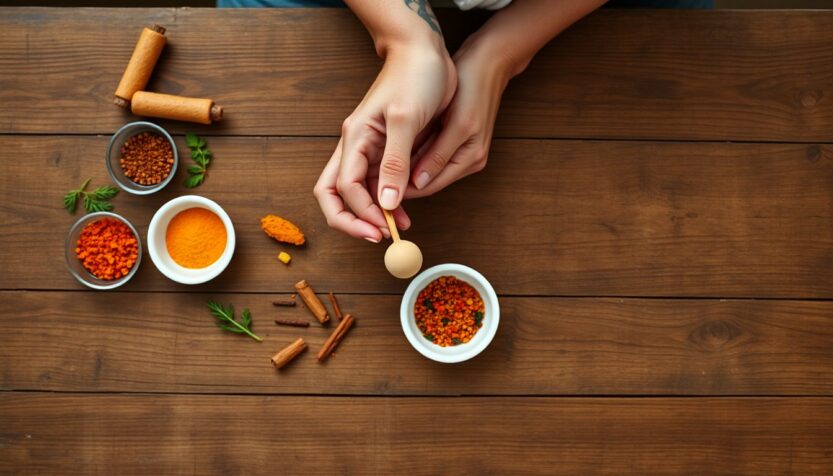
Concrete exercises help translate insight into habit. Keep a short “curiosity log” to record one question a day. Schedule micro-play sessions—ten minutes of unstructured creation alone or with others. Use sensory prompts from the kitchen: a new spice, an unfamiliar produce or a simple fermentation project to open the imagination through the body. The palate never lies; taste can reveal hidden preferences and unlock associative thinking.
Technical framing makes these practices repeatable. Break a feared task into three substeps. Set a measurable, modest criterion for success. Track outcomes without moralizing the result. Over time, accumulated micro-evidence weakens the hold of limiting beliefs and builds a pragmatic case for change.
Reclaiming imagination also connects to community and tradition. Seek mentors, peer groups or local workshops that value experimentation over perfection. Local markets, seasonal producers and community kitchens offer practical sites to test new approaches while anchoring change in place and supply chains that matter.
Recognizing limiting assumptions and replacing them with testable habits creates forward momentum. small acts of curiosity generate data. That data, properly gathered and interpreted, becomes the basis for sustained creative renewal.
The palate never lies. Drawing on sensory memory accelerates the shift from abstract desire to testable action. That data, properly gathered and interpreted, becomes the basis for sustained creative renewal. Apply small, repeatable gestures that reconnect sensation with intention. These gestures create evidence you can evaluate and refine.
Practical micro-exercises to rebuild creative habit
Sensory walk (10 minutes): step outside and register five distinct tastes, smells or textures encountered in food or environment. Note one surprising detail. As a chef I learned that focused attention reveals new combinations and priorities.
Constraint play: choose a single, modest ingredient and imagine three unrelated contexts for it—dessert, condiment, or ritual. Rapid constraints force inventive leaps without high stakes.
Micro-ritual journaling: after a meal, write two sentences about how the food made you feel and one actionable idea it inspired. Short records rewire judgment into curiosity.
Role reversal sketch: assume an alternate identity for five minutes—gardener, market vendor, or home fermenter—and list choices that identity would make. Behind every dish there’s a story, and inhabiting another role expands decision pathways.
One-touch prototyping: pick a household object and alter one sensory attribute—temperature, seasoning, or texture—and observe reactions. Rapid prototyping trains the mind to test rather than speculate.
Sensory pairing experiment: match a familiar flavour with an unfamiliar sound, colour or fabric. Record which pairings feel coherent. This builds associative bridges between domains.
Neighbourhood sourcing: visit a nearby shop or stall and select an ingredient you do not usually buy. Ask one question about its origin or seasonality. Attention to supply chains reconnects creativity with terroir and sustainability.
Practice these exercises for brief, regular intervals. Small, measurable acts create the neural scaffolding for larger change. The palate provides immediate feedback; use it as a diagnostic tool for broader lifestyle experimentation.
The palate never lies. Having used taste as an immediate feedback loop, apply the same sensorium to daily imagination exercises.
Begin with brief, low-stakes practices that build creative habit. Before a walk, spend two minutes visualizing the route like a short story. Picture who you encounter, what details arrest your attention, and the emotion you aim to feel. Follow with a five-minute sketching session to doodle future possibilities for your home, hobby, or social calendar. These micro-routines lower the threshold for larger experiments.
Consistency matters more than duration. Repeated, playful acts make creativity feel ordinary rather than extraordinary. Over weeks, small visualizations translate into measurable changes in decision‑making and problem solving. Treat these exercises as daily diagnostics.
A five-step plan to shift from fixed to growth
Step 1: schedule two short sessions daily. One before movement and one during a quiet moment. Step 2: anchor each session to a sensory cue, such as a taste, scent, or texture. Step 3: record outcomes briefly to track what shifts.
Step 4: scale gradually. Extend practices by two minutes each week, or add one concrete experiment inspired by a sketch. Step 5: review monthly to identify patterns and adjust the approach. Behind every small practice there is a story of change; as a chef I learned that habit and taste reveal what truly endures.
Key concepts: prioritize consistency and cognitive flexibility. Use sensory feedback to convert imagination into testable action and sustainable growth.
Use sensory feedback to convert imagination into testable action and sustainable growth. The palate never lies: sensory cues anchor intention in the body and create rapid feedback loops.
Translate insight into action with a simple, five-step sequence that addresses beliefs, environment and behavior. Each step is brief and practical. Each step is designed to be repeatable.
Step one: list specific limiting beliefs and write counterstatements that are concrete and believable. Name the belief. State an alternative in plain language. Keep the counterstatement short and present tense.
Step two: reframe change as opportunity rather than threat. Use exploratory prompts that surface curiosity and pleasure rather than fear. Ask internally what about the change could feel energizing or joyful, and note one small advantage you could gain within a week.
Step three: start with micro-exercises to avoid overwhelm and build confidence. Choose actions that take three to ten minutes. Repeat them daily until they require little effort. Small wins compound.
Step four: shape your social context. Build a growth mindset circle by connecting with people who experiment, learn and celebrate curiosity. Share tiny experiments and outcomes. Social proof sustains practice.
Step five: embody your future self now. Act as the person you want to become and take one aligned action today. Treat this as a rehearsal that trains posture, language and choice architecture.
Tools to sustain momentum
Practical tools maintain the sequence. Keep a single notebook for beliefs, counterstatements and micro-exercises. Schedule two weekly check-ins with your growth circle. Use timers for micro-practices. Track five small metrics that map to desired identity rather than outcome.
Behind every practice there’s a story about why it matters. As a chef I learned that technique and taste must travel together. Apply the same principle here: pair a sensory cue with each micro-exercise so feedback is immediate and learning accelerates.
Anchor new habits with practical rituals and supportive spaces
Pairing a sensory cue with each micro-exercise accelerates learning and makes adjustments visible in real time.
Create simple rituals and environments that favor expansion. A dedicated visualization corner, a notebook for tracking experiments, and a weekly check-in with a probing friend stabilize momentum.
Use future self visualizations to rehearse new habits mentally so taking real-world steps feels more natural. The palate never lies: sensory rehearsal grounds intention in bodily experience.
Allow permission to fail forward. Treat experiments that do not land as data, not as evidence of incapacity. This reframes setbacks into information that guides iteration.
As a chef I learned that repetition within a framed environment—consistent tools, a predictable moment, a clear prompt—turns fleeting insight into durable practice. Behind every dish there’s a story, and behind every habit there is an arranged context that sustains it.
These practical supports move change from an occasional insight to an everyday lifestyle adjustment, increasing the likelihood of sustained growth.
Build a sensory sanctuary and align actions with a future self
These practical supports move change from an occasional insight to an everyday lifestyle adjustment, increasing the likelihood of sustained growth. Create a small, dedicated space at home or in a community setting where sight, sound and scent consistently cue the work of imagination. Keep the area uncluttered, add one tactile object and one evocative scent to anchor short practices.
What to include and why
Choose a visual focus such as a photograph or sketch that represents the life you intend to build. Place a single object—stone, spoon, or cloth—that invites touch. Use a gentle sound cue: a bowl, a timer or a short playlist. These elements make rehearsals vivid and repeatable. Neuroscience shows repeated sensory pairing strengthens associative pathways, making new possibilities more accessible during daily decision-making.
Practical affirmations that move you toward action
Adopt brief future self affirmations that name both feeling and behavior—for example, “I am curious, and I take one small step today.” Say them aloud in the sanctuary before a micro-practice. As a chef I learned that pairing a phrase with a sensory ritual fast-tracks habit formation; the palate never lies, and the body remembers what the mind rehearses.
Behind every dish there’s a story of origin and process; the same applies to reinvention after sixty. Treat these experiments as culinary tests: tweak proportions, note what works, and repeat the version that tastes right. Over weeks, small, sensory-rich repetitions shift identity from hypothetical to habitual and expand the range of practical possibilities you pursue.