

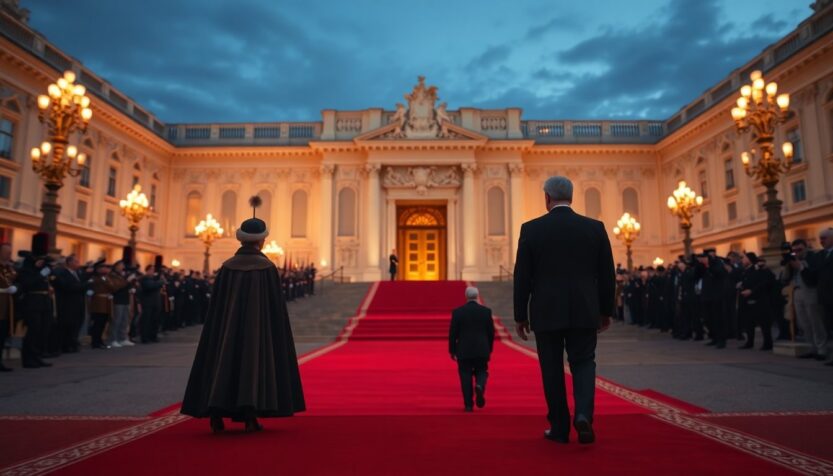
The encounter between President Trump and King charles III became a study in contrast: centuries-old royal ritual meeting modern presidential spectacle. What began as a formally arranged visit, coordinated with 10 Downing Street, included public moments—an address to Congress, a White House beehive tour, and an ornate state dinner—that were heavy on symbolism and light on policy breakthroughs. Those visible rituals revived earlier gossip about ties between the royal family and the businessman-turned-politician, reminding observers that public image can be as consequential as geopolitical strategy.
Rumors, reputations, and long memories
Long before the presidency, rumors linked the royals to a New York real estate developer. In 1981 a magazine reported that royal aides had met to discuss an apartment in Trump Tower, a claim later denied by palace spokespeople. Similar whispers persisted across the 1980s and 1990s, including tales of Princess Diana considering a residence in Manhattan—stories the developer happily amplified. Those early narratives helped sculpt a reputation that married celebrity to aspiration, and they foreshadowed how personal fascination with royalty would resurface once the developer assumed the highest office.
Statecraft and ceremonial rebukes
During the state visit, the king used his platform to affirm commitments that stood in subtle tension with the president’s instincts: a defense of checks and balances, support for NATO and Ukraine, and a plea for environmental stewardship. The speech in Congress contained passages that implicitly challenged some tenets of the president’s approach to executive power. Yet the public optics were strikingly mutual: the White House posted a photo of the two leaders with the caption “TWO KINGS,” and the president praised the address, calling it “a great speech” and admitting a mix of admiration and envy. The clash between words and optics underscored how ceremonial moments can both soothe and complicate diplomatic friction.
Historical echoes
The visit also revived metaphors of exile and restoration. Centuries earlier, King Charles II had lived in exile after his father’s execution in 1649, returning to the throne in 1660. Observers drew parallels to President Trump’s post-White House years in Mar-a-Lago following the 2026 departure from office and his dramatic political comeback just four years later. Those biographical arcs—banishment, return, and a hunger to leave a mark—help explain why symbolism, monuments, and ceremonial recognition are central to how both figures are perceived.
Monuments, branding, and the theater of power
Beyond speeches and dinners, the administration has embraced a distinct aesthetic: gilded interiors, renamings, and proposals for monumental projects that mirror historical acts of commemoration. From affixing his name to federal institutions to suggesting a colossal arch in the capital—an idea the president framed around his own legacy—these moves treat Washington as a stage for personal branding. Critics call this a form of self-aggrandizement; supporters view it as national renewal. Either way, the impulse resembles a monarchic instinct: an appetite for visible tokens that proclaim status without the need for direct rule.
How symbolism trumps policy
The preference for ornamental power shows up in smaller gestures as well—banners, currency proposals, and even passport designs bearing presidential imagery. These choices elevate image over institutional restraint and reflect a broader strategy: shape collective memory through permanent, physical markers. For a leader who prizes legacy, the allure of monuments and nameplates becomes a way to entrench influence beyond the vagaries of office and daily politics, converting fleeting headlines into durable artifacts.
Gifts, lineage claims, and closing images
Gifts exchanged during the visit amplified the personal dimension. The king presented a gilded bell associated with a vessel named HMS Trump during 1944—an object that combined martial memory and vanity in a single ornate package. Simultaneously, tabloid reports suggesting a distant family link between the two men delighted the president, who posted playful reactions online about living in Buckingham Palace. Such tokens and tallies of kinship mattered less for policy than for the narratives they reinforced: the president’s long-standing fascination with ceremonial pomp and the wish to be seen in proximity to historic prestige.
Conclusion
The meeting of King Charles III and President Trump was less a turning point in international law than a showcase of how symbolism operates in modern governance. Between speeches that defended institutional limits and displays that celebrated personal brand-building, the visit illustrated a paradox: democratic institutions hosting rituals that elevate personalities to near-monarchical status. Whether the spectacle will smooth diplomatic tensions or further blur the lines between office and pageantry depends on how both domestic audiences and global partners interpret these carefully staged moments.