



Brooklyn family finishes four-year renovation of a 19th‑century house
When Alison Piepmeyer and her husband Zach first walked into their 19th‑century Brooklyn house in 2026, it was more promise than polish. Over the next four years they rebuilt and refitted the place into a home that reads like a family album: lived‑in, layered, and unapologetically personal. Their children, Linus and Georgie, grew up alongside the renovation, turning an historic property into a practical, everyday residence rather than a museum piece.
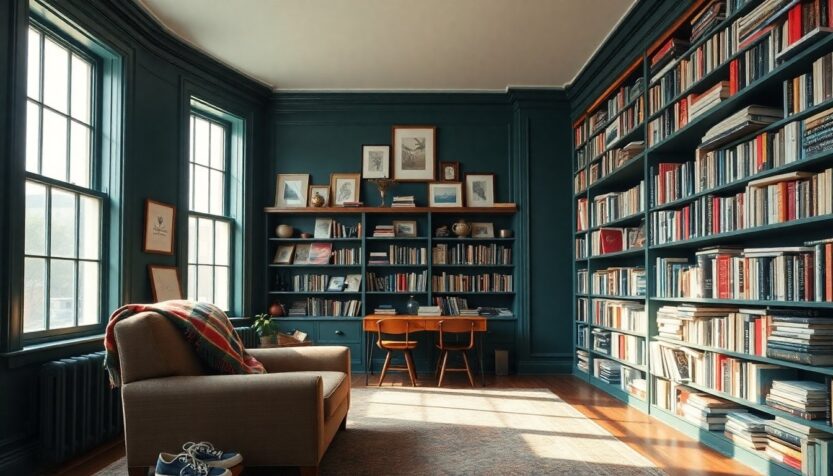
Instead of wiping the rooms clean of personality, the family leaned into accumulated objects, bold paint, and tactile finishes. Unexpected color choices set moods, while shelves stuffed with books and souvenirs gathered during fifteen years together make the interiors feel curated—not staged. Photographer Lyndsay Hannah captured these intimate details, showing how color and material combine to make vintage rooms feel bright, contemporary and welcoming.
How a 19th‑century house became a family canvas
The house arrived in rough shape. The Piepmeyers spent four years addressing structural needs and subtle modern interventions that support family life while honoring the home’s bones. Their approach was never about restoring the house to a frozen past; it was about letting the past and present coexist.
Floor‑to‑ceiling shelving becomes both decor and archive. Books, travel finds and small ephemera narrate the couple’s life together in a way that feels private and honest. Rather than a neat showroom, rooms reveal themselves as chapters: a table with postcards, a mantel with framed photos, a corner piled with favorite reads. The result is an interior that invites lingering and conversation.
Color, texture, and the impact of bold finishes
Color plays a starring role here. Deep, moody hues define intimate spaces, while brighter tones highlight areas where light and activity gather. Paint acts as another layer of furniture: it anchors a corner, frames a doorway, lifts an artwork. Thoughtful placement of color ties disparate rooms together and gives the eye a satisfying route through the house.
Texture keeps the palette from feeling flat. Hardwood floors, layered rugs and soft upholstery soften saturated walls and make the rooms approachable. The tactile mix—woven textiles against painted trim and varnished wood—balances the house’s age with a lively, contemporary sensibility.
Practical choices for family life
This is a home that had to work as hard as it looks. The Piepmeyers chose durable paints and wipeable fabrics where kids and high traffic demand resilience, while reserving more delicate pieces for quiet corners. Shelving is reachable for small hands; seating is arranged to accommodate reading, homework, or remote work without a lot of fuss. The family’s decisions always fold function into the aesthetic—so the house feels polished without being precious.
Personal objects, stories, and the feeling of home
What gives the renovation its emotional pull is the way objects accumulate into a story. Little curios, framed pictures, and souvenirs sit beside each other, forming a visual timeline of travels and shared moments. Toys and children’s artwork are woven into the design rather than banished—visible but integrated, so the home stays child‑friendly without losing its personality. As the kids grow, the rooms can shift with them, keeping the same underlying language of color and texture.
The role of photography and storytelling
Lyndsay Hannah’s photographs don’t try to sell an ideal—they show the particulars. Close‑up vignettes of book spines, painted corners and layered textiles reveal the choices that make the house work. Those intimate shots communicate how the rooms are used and felt; they tell the story of the family more clearly than wide, impersonal panoramas ever could. For designers and anyone documenting a home, this is a useful lesson: capture the tactile, everyday moments that make a place recognizable and true to its inhabitants.
A home that evolves with its people
Alison and Zach’s brownstone is a study in modest, thoughtful intervention. Starting in 2026 and polished over four years, the renovation proves you don’t need to strip a historic house of its personality to make it functional. Deliberate color, carefully chosen finishes, and a steady accrual of meaningful objects produce a space that’s both composed and comfortable—ready to adapt as the family’s needs change.
Instead of wiping the rooms clean of personality, the family leaned into accumulated objects, bold paint, and tactile finishes. Unexpected color choices set moods, while shelves stuffed with books and souvenirs gathered during fifteen years together make the interiors feel curated—not staged. Photographer Lyndsay Hannah captured these intimate details, showing how color and material combine to make vintage rooms feel bright, contemporary and welcoming.0