



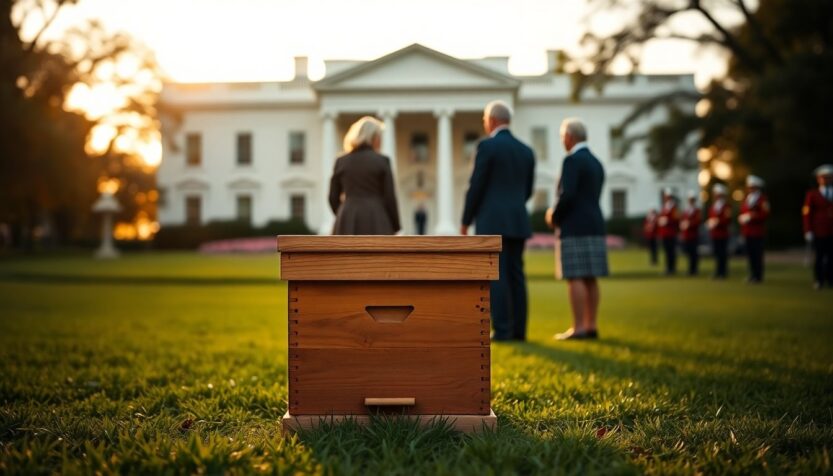
The arrival of King Charles III and Queen Camilla at the White House on April 27, 2026, revived a mixture of ceremonial pomp and contemporary politics. On the south lawn, the royal couple exchanged greetings with President Donald Trump and First Lady Melania Trump, shared a short tea inside the residence and later inspected a beehive installed near the grounds — a nod to Charles’s long-standing interest in conservation and beekeeping. This public welcome set the tone for a visit that alternated between formal ritual and pointed conversation, while press and onlookers tracked every handshake and quip.
Beyond the optics, the journey carried strategic aims. The trip was framed as a chance to reinforce the so-called special relationship between the United Kingdom and the United States while navigating recent strains over military and foreign policy choices. The king, who has visited the U.S. many times and became monarch in 2026, also traveled under the personal shadow of a health diagnosis disclosed in early 2026. Throughout, the visit leaned on the monarchy’s capacity for soft power—ceremony, symbolism and steady messages intended to bridge political differences.
Ceremony, addresses and a congressional appearance
One of the visit’s high points was a speech to a joint meeting of the U.S. Congress, only the second time a British monarch has taken that stage since 1991. In that address, the king emphasized cooperation on security and prosperity and voiced support for key institutions such as NATO and measures to help Ukraine, signaling continuity with longstanding trans-Atlantic commitments. He also sprinkled lighthearted lines into his remarks, drawing smiles with personal references to U.S. place names and a gentle exchange with the president about historical languages—an example of how ceremony and levity can be combined to steady a delicate diplomatic moment.
The White House banquet and its visual cues
Dress code, pageantry and jewelry
A state dinner at the White House often trades Buckingham Palace’s strict formality for something more relaxed; this year’s event was notable for reverting to white-tie—reported as the first U.S. white-tie state dinner since 2007. While American guests more commonly follow black tie tradition, the higher formality allowed for sartorial flourishes. The first lady opted for a pink Dior gown, and the queen chose not to wear a tiara but did display a historic amethyst necklace once owned by the Duchess of Kent, together with a matching brooch she had worn during a 1991 visit. These choices blended royal heritage with the evening’s ceremonial tone.
Dinner remarks and diplomatic balancing
Speeches at the dinner alternated between warmth and political friction. The king used humor to celebrate long ties and shared history, while President Trump made remarks that drew attention when he stated that the king “agrees” with him on preventing Iran from acquiring nuclear arms. Buckingham Palace later responded, noting: “The King is naturally mindful of his Government’s long-standing and well-known position on the prevention of nuclear proliferation.” That reply underlined the monarch’s political neutrality and the fact that a sovereign speaks cautiously on matters of active policy.
Tensions, controversies and the wider context
The visit did not unfold without criticism. Domestic political figures and commentators in the U.K. debated whether the trip should proceed given differences over foreign policy, particularly regarding the Iran conflict and recent rhetoric aimed at Britain’s leadership. Prime Minister Keir Starmer defended the state visit as an opportunity for the monarchy to bolster long-term ties, while opponents urged caution. Academic observers described distinct objectives for each side: the king’s emphasis on long-term relationships and causes such as the environment, and the president’s focus on media impact and optics.
Complicating matters were other shadows around the palace, most notably the situation involving Prince Andrew, who has been stripped of official duties and faces police scrutiny tied to his former association with Jeffrey Epstein. Campaigners have urged the royal couple to meet abuse survivors, a request that highlighted the personal and reputational complexities of the visit. Additional diplomatic concerns included leaked military communications suggesting a reassessment of support for sovereignty issues such as the Falkland Islands. Taken together, these elements made the Washington trip a textured mix of ritual, relationship-building and delicate message management ahead of further meetings, memorial visits and regional engagements planned during the short state visit.