
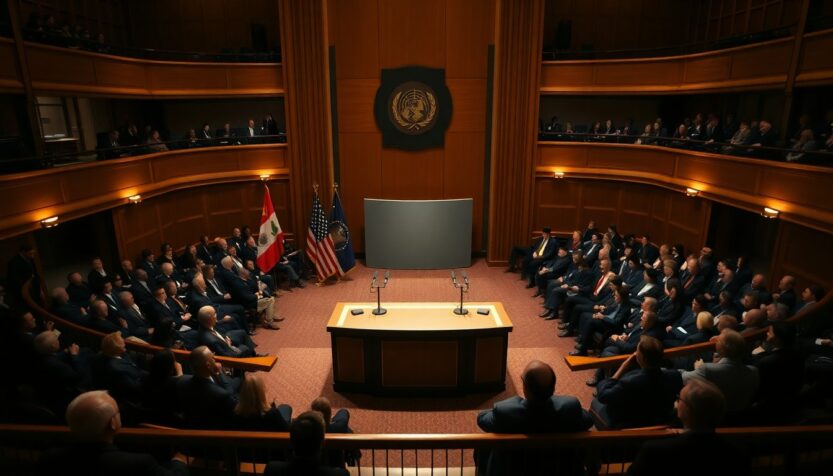
Trump’s Feb. 24 State of the Union mixed pageantry with policy — a performance aimed at energizing supporters while staking out a broad agenda. The address moved from celebratory moments, like a standing ovation for a visiting hockey championship team, to direct appeals on national security, trade and domestic priorities. Yet public approval stayed tepid, and a string of legal and political developments shaped how much of the speech could actually translate into action.
Stagecraft mattered. Applause lines, handpicked guests in the gallery and strategic pauses turned parts of the speech into emotional beats meant to rally the base. Those theatrical devices conveyed momentum and conviction but rarely did the address dwell on the nuts-and-bolts of how proposals would survive committee markups, funding fights and judicial scrutiny. In short: the evening emphasized feeling over the procedural work required to make policy stick.
That gap between rhetoric and reality was underscored by recent court rulings and international events. Judges have been narrowing certain executive powers, diplomats are recalibrating alliances, and military footprints are shifting — all forces that constrain sweeping claims from the podium. Analysts increasingly framed the speech as campaign-style messaging rather than a roadmap for governance that depends on congressional cooperation and legal durability.
Economics formed a key part of the president’s narrative: jobs, rising wages and easing price pressures were highlighted as evidence of success. Administration officials pointed to headline indicators; critics flagged regional disparities, sector-specific struggles and caveats in the underlying data. Human-interest stories and patriotic imagery gave the message emotional weight, but lawmakers and policy experts have been asking the tougher questions — about statutory authority, budget math and enforcement — that optics cannot answer.
On the legal and institutional front, the speech collided with the realities of checks and balances. Independent regulators, inspectors general and rulemaking processes matter enormously for how trade actions, stimulus measures and regulatory shifts actually operate. Courts, moreover, can validate or clip the wings of executive initiatives without inventing new policy paths, raising the bar for unilateral moves and pushing more decisions back into the legislative arena.
Foreign-policy developments were an active backdrop. The fighting in Ukraine continued to influence Western defense planning and aid choices; troop adjustments and diplomatic negotiations elsewhere also complicated the administration’s security claims. Domestic declarations from the State of the Union can set a tone, but real strategy has to account for fluid geopolitical constraints and the trade-offs they introduce.
The political aftermath boiled down to a familiar calculus: rhetoric versus results. The speech may have rallied supporters and set media headlines, but turning those lines into law requires the slow, often messy grind of committee work, bipartisan bargaining and agency implementation — not to mention surviving inevitable legal challenges.
What to watch next
– Legislative calendar: Which bills get scheduled for markups and floor votes, and whether any measures attract bipartisan support. – Oversight and enforcement: Inspectors general, agency audits and rulemaking that will shape how initiatives function day to day. – Judicial developments: Court decisions that could expand or constrict executive authority and change bargaining leverage. – Foreign-policy inputs: Military movements and diplomatic shifts that will limit or enable funding and strategy choices.
Symbolism can energize a moment, but it can’t legislate. The real test now is whether procedural momentum — clear committee work, enforceable agency action and bipartisan deals where possible — will convert the evening’s rhetoric into durable policy and measurable outcomes.