
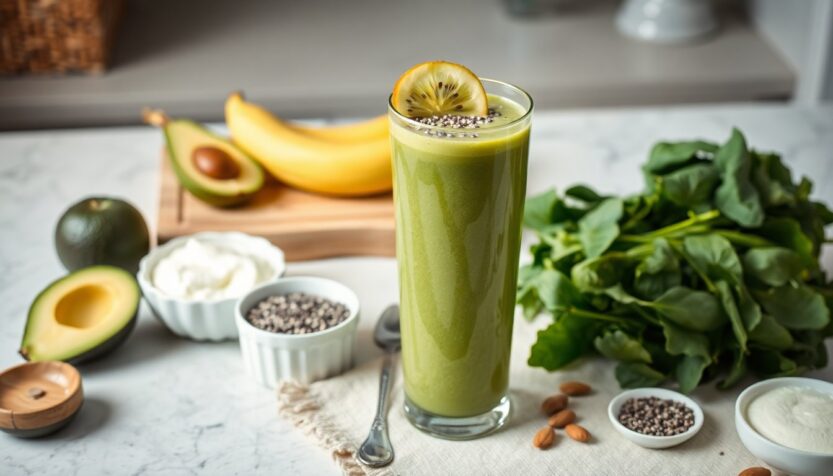
Erewhon and similar retailers have become shorthand for polished, nutrient-forward smoothies with premium price tags. The phenomenon has drawn attention in lifestyle reporting and social media. Published item reference: 18/02/19:54. This report explains who popularized the trend, what these beverages deliver, and how to recreate a comparable drink at home using whole foods.
The palate never lies: celebrity endorsement can elevate a simple blend into a cultural marker. Behind the brand names lie specific choices in ingredient quality, texture management, and nutritional framing. As a chef I learned that technique can make modest ingredients read as luxury on the tongue.
Why the Erewhon-style smoothie became a trend
Who: wellness-minded consumers and high-profile influencers promoted the format. What: smoothies emphasizing whole-food proteins, fiber, healthy fats, and minimal refined sugar. When: the style crystallized over recent years as part of a broader premium wellness economy. Where: upscale urban markets with strong health-food retail networks. Why: the drinks promise convenience, perceived nutrition, and sensory refinement.
These smoothies mix functional claims with careful plating and branding. Small shifts in ingredient selection and technique produce markedly different textures and flavor profiles. Retail settings add perceived value through sourcing claims, staff training, and store experience.
This series will provide a step-by-step breakdown of ingredients, method, and practical substitutions. It will use key nutritional terms and highlight core concepts so readers understand how each component affects flavor, mouthfeel, and health impact.
Building on the retail trend described earlier, this section explains the tangible elements that make premium smoothies both satisfying and stable from a metabolic perspective. The palate never lies: texture and balance shape perceived quality as much as ingredient provenance.
Key components and their roles
Fiber slows gastric emptying and moderates glucose absorption. In practice, soluble fibers such as oats or psyllium create a silkier mouthfeel, while insoluble fibers from greens add bulk and chew. Both support satiety and regularity.
Plant-based protein stabilizes blood sugar and lengthens fullness. Pea, hemp, or soy powders mix differently: pea offers a neutral flavor and smooth texture; hemp adds a faint nuttiness and visible grit unless finely milled. Protein also contributes to post-meal thermogenesis, which influences energy expenditure.
Healthy fats carry fat-soluble vitamins and enhance flavor. Avocado, nut butters, and MCT oil round the palate and improve emulsion stability. They also slow carbohydrate absorption and lend a creamy mouthfeel without excess sweetness.
Functional add-ins include prebiotics, fermented ingredients, and adaptogens. Small amounts of kefir or yogurt introduce live cultures and lactic acidity, which brighten flavor and support gut ecology. Prebiotic fibers such as inulin feed beneficial microbes. Adaptogens are used sparingly for their claimed resilience benefits, though clinical evidence varies.
Fresh produce and terroir determine aromatic complexity. Seasonal berries deliver acidity and volatile esters that cut richness. Leafy greens bring chlorophyll and green notes that balance fruit sugars. As a chef I learned that ingredient seasonality alters both taste and nutritional signal.
Texture control is deliberate rather than accidental. Ice or frozen fruit lengthens the sip and chills volatile aromas. Emulsifiers like sunflower lecithin reduce separation in bottled formats. Shearing time in the blender affects cell rupture and therefore sweetness perception and mouthfeel.
Replicating the effect at home requires attention to proportion and technique: combine protein, fiber, and fat in balanced ratios; use seasonal produce for aroma; and control blending time for desired texture. Behind every drink there’s a trade-off between convenience, shelf life, and sensory quality.
Behind every drink there’s a trade-off between convenience, shelf life, and sensory quality. The palate never lies; a successful smoothie balances texture, flavor, and nutrition in clear layers.
How to build the smoothie: a reliable recipe and method
Start with a defined structure. Think in layers: base liquid, primary produce, protein, fat, and functional boosters. Each layer has a technical role. The base controls dilution and mouthfeel. Use water, unsweetened plant milk, or coconut water to tune viscosity and flavor neutrality.
The primary produce supplies the main taste and micronutrient profile. Choose seasonal fruit or vegetables that add natural sweetness or acidity. Dark fruits or root vegetables deliver color and antioxidants without relying on added sugars.
Protein sources provide satiety and preserve lean mass after a meal. Options include pea protein powder, Greek yogurt, or silken tofu. Measure 15–25 grams of protein per serving to support fullness and metabolic stability.
Incorporate healthy fats to improve nutrient absorption and mouthfeel. Avocado, nut butter, or a measured teaspoon of MCT oil each contribute creaminess and help uptake of fat-soluble vitamins. Keep total fat around 5–12 grams per serving for balance.
For functional boosters, use targeted additions sparingly. A tablespoon of ground seeds, a teaspoon of powdered fiber, or a small pinch of spice can modulate texture and metabolic response without masking the primary flavors.
Reliable recipe (single serving)
– 200–250 ml base liquid (water or unsweetened plant milk).
– 100–150 g primary produce (one cup chopped fruit or vegetables).
– 15–25 g protein (one scoop pea protein or 120 g Greek yogurt).
– 5–12 g healthy fat (1/4 avocado or 1 tbsp nut butter).
– 1 tsp functional booster (ground flaxseed, collagen, or a fiber blend).
Method and technique
1. Add liquids first to the blender. Liquids protect blades and create a vortex for efficient blending.
2. Add soft produce and proteins next to ensure smooth emulsification.
3. Add fats and boosters last. This order improves homogenization and prevents clumping.
4. Blend on high for 30–60 seconds, pausing to scrape the container if needed. Aim for a silky texture without over-aeration.
5. If a thicker texture is desired, chill ingredients beforehand or add a small amount of ice. For thinner consistency, increase the base by 25–50 ml.
As a chef I learned that texture carries flavor; a smooth, cohesive mouthfeel makes healthy ingredients more appealing. Behind every drink there’s a story of trade-offs, and this method prioritizes sensory quality alongside nutritional purpose.
The palate never lies: texture and mouthfeel give immediate clues to balance. Behind every drink there’s a story of trade-offs, and this method prioritizes sensory quality alongside nutritional purpose.
Use about 12–16 ounces of a base liquid, 1–1.5 cups of frozen produce for body, 20–30 grams of protein, and 1–2 tablespoons of fat. Place the liquid component in the blender first, add soft or frozen solids next, and finish with powders or delicate mix-ins. Blend on high for 30–60 seconds or until uniformly smooth.
This sequencing limits clumping and reduces stress on the blades, producing a silkier texture. Professional baristas and recipe developers follow similar ordering to optimize performance and preserve aroma.
Example recipe for a balanced, nutrient-dense smoothie
Base: 12–16 ounces of unsweetened plant milk or water.
Body: 1–1.5 cups frozen berries or leafy greens for structure.
Protein: 20–30 grams whey or plant protein powder.
Fat: 1 tablespoon nut butter or 1–2 tablespoons flax or chia seed.
Place the base into the blender, add the frozen or soft ingredients, then dust in powders and fragile mix-ins. Pulse briefly, then blend at high speed until smooth. As a chef I learned that timing and order change the mouthfeel as much as the ingredients themselves.
The palate never lies: timing and order shape mouthfeel as much as ingredients do.
Start with the suggested proportions: 12 ounces unsweetened almond milk, 1 cup frozen mixed berries, half a frozen banana, 20 g pea protein powder, 1 tablespoon almond butter, a handful of spinach, and 1 teaspoon chia seeds.
This blend delivers fiber, protein, antioxidants and heart-healthy fats while keeping added sugars low. Adjust the quantities to match caloric needs and taste preferences.
Tips, substitutions, and serving ideas
For creaminess, add extra almond butter or replace part of the almond milk with unsweetened soy milk. For a richer mouthfeel, pulse a few extra seconds rather than blending continuously.
Swap the pea protein for rice or hemp protein to vary texture and amino-acid profile. If you prefer animal-derived protein, include ½ teaspoon collagen, as noted. Use powdered options to preserve smoothness.
Increase greens by adding a small piece of cucumber or extra spinach. Keep leafy additions light to avoid vegetal bitterness and to maintain a smooth finish.
Boost flavor without sugar: a pinch of cinnamon enhances perceived sweetness. Add one teaspoon of honey only if extra sweetness is desired.
For added healthy fats and a glossy texture, stir in 1 teaspoon of cold-pressed flax or extra almond butter after blending. The palate registers fats as silkiness; small additions go a long way.
To turn the shake into a portable breakfast, fold in 2 tablespoons of rolled oats or prepare as an overnight blend for creamier starch integration. For a chilled dessert, freeze in molds and unmold as fruit-based pops.
Serve immediately for the brightest flavor and optimal texture. If you must store it, refrigerate in an airtight container and consume within 24 hours to preserve nutrient quality and taste.
Start with the suggested proportions: 12 ounces unsweetened almond milk, 1 cup frozen mixed berries, half a frozen banana, 20 g pea protein powder, 1 tablespoon almond butter, a handful of spinach, and 1 teaspoon chia seeds.0
The palate never lies: small swaps, big impact on texture and function
The palate never lies: a few deliberate substitutions transform a home blend into a café-quality smoothie. Building on the proportions above, adjust ingredients to personal taste and seasonal availability while preserving texture and balance.
Make the recipe your own by replacing seasonal fruit or pantry staples. For extra creaminess, replace part of the liquid with plain yogurt. For lower sugar, swap the banana for additional avocado and a few drops of stevia. To add functional benefits, stir in a teaspoon of turmeric with a pinch of black pepper for enhanced absorption, or add a scoop of greens powder to boost micronutrient density.
Use frozen produce to achieve the thick, velvety texture associated with store blends without adding ice, which can dilute flavor. As a rule, frozen fruit also slows nutrient degradation by lowering temperature quickly after blending.
Timing, presentation and portability
Timing affects both taste and nutrient retention. Drink your smoothie within an hour of blending for peak flavor and maximal vitamin content. If you must delay consumption, refrigerate for up to 24 hours; keep in mind some separation is normal and can be resolved by a quick shake or stir.
Presentation matters for perceived quality. Pour into a glass or a vacuum-insulated bottle to maintain temperature and texture on the go. These small choices replicate a premium smoothie experience while keeping costs low.
Behind every dish there’s a story, and behind every glass there’s a choice of ingredients, technique and timing that shapes flavor and function. As a chef I learned that attention to these details yields the most satisfying results.
The palate never lies: assembling a balanced Erewhon-style smoothie at home
The palate never lies. Home cooks can recreate the essence of a café smoothie by focusing on texture, satiety and clean ingredients. This approach prioritizes energy, fullness and flavor over brand replication.
Who and what
For health-conscious consumers seeking a nutrient-forward drink, the goal is a balanced blend of liquid, produce, protein and fat. Each component plays a defined role: liquids carry flavor, produce supplies micronutrients and fiber, protein sustains fullness, and fat rounds mouthfeel.
How to assemble
Start with proportions: roughly 40–50% liquid, 30–40% produce, and the remainder split between protein and fat. Use unsweetened plant milk or cold brewed tea for a neutral base.
Choose one concentrated produce element for flavor, and one neutral textural element to build body. Frozen banana or cooked sweet potato add viscosity without extra sugars. Leafy greens or berries supply color and antioxidants.
Add a measured protein source: a high-quality powder, silken tofu, strained yogurt, or cooked legumes. Include a small amount of healthy fat—avocado, nut butter, or MCT oil—to enhance absorption of fat‑soluble vitamins and smooth texture.
Technical adjustments and sensory cues
Pulse before puréeing to test texture. If the blend separates, increase emulsifying agents such as banana, avocado, or a spoonful of lecithin. If too thick, thin with chilled liquid in 30 ml increments.
Balance sweetness with acid: a squeeze of lemon or a splash of apple cider vinegar brightens flavors and prevents cloying notes. For umami depth, a pinch of high-quality sea salt or a touch of miso can be effective.
Sourcing, sustainability and taste
Prioritize seasonal produce and short supply chains to preserve flavor and reduce environmental impact. Small producers often yield better tasting fruit and more transparent ingredient provenance.
As a chef I learned that technique elevates humble ingredients. Gentle heat, quick caramelization of fruit, or fermenting small components can transform a simple blend into a layered sensory experience.
Nutrition and practical tips
Aim for at least 6–8 grams of protein per serving to influence post‑meal satiety. Include soluble fiber sources such as oats or chia to slow gastric emptying and moderate glycemic response.
For health-conscious consumers seeking a nutrient-forward drink, the goal is a balanced blend of liquid, produce, protein and fat. Each component plays a defined role: liquids carry flavor, produce supplies micronutrients and fiber, protein sustains fullness, and fat rounds mouthfeel.0
For health-conscious consumers seeking a nutrient-forward drink, the goal is a balanced blend of liquid, produce, protein and fat. Each component plays a defined role: liquids carry flavor, produce supplies micronutrients and fiber, protein sustains fullness, and fat rounds mouthfeel.1