



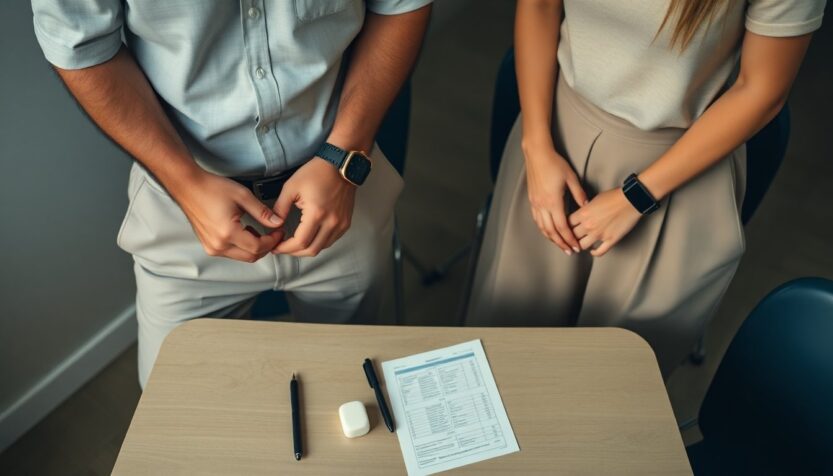
What candidates need to know about the nta’s NEET dress code
The National Testing Agency has issued a dress code for the NEET dress code to streamline security procedures and reduce malpractice risks. The rules apply at all examination centres and set expectations for both male and female candidates.
Under the policy, adherence to the NTA dress code is mandatory. Examination centres may refuse entry to candidates wearing clothing or carrying items that conflict with the regulations. The requirement aims to promote uniformity and minimise opportunities to conceal prohibited materials.
The dress code also supports biometric and identity verification. Clear clothing guidelines help officials complete checks efficiently and avoid delays that could affect test schedules.
The following sections summarise the main provisions, explain how customary religious clothing is handled and list items prohibited inside the examination hall. Candidates should review the full official instructions before arriving at the centre to avoid being denied entry on exam day.
Permitted clothing for male candidates
Following the recommendation that candidates review the full official instructions before arrival, male applicants should wear simple, light-coloured garments that allow swift inspection. The guidelines permit only half-sleeve shirts or t-shirts paired with plain trousers.
Avoid heavy or bulky items such as clothing with large pockets, multiple zippers, decorative buttons, sequins or heavy embroidery. Such features can obstruct frisking or provide concealment, and may lead to additional screening or denial of entry.
In practice, choose a plain cotton half-sleeve shirt or a basic t-shirt and standard trousers. Wear shoes that are easy to remove for security checks. Prioritise comfort and minimal adornment to ensure the security procedure is quick and non-disruptive.
Permitted clothing for female candidates
Following the prior guidance, female candidates should choose light, uncomplicated outfits to streamline security checks. The official instructions permit light-coloured half-sleeve t-shirts or shirts paired with plain denim jeans or trousers.
The rules prohibit garments that could impede verification. Specifically, kurtis, leggings and palazzos are not allowed. Clothing with large or decorative buttons is also disallowed when it may obstruct biometric or frisking procedures. Candidates should avoid printed, heavily embellished garments and ornamental accessories.
Ornaments such as earrings, nose rings and necklaces are strongly discouraged because they can slow frisking and biometric checks. Routine prescription spectacles are permitted for vision needs; fashion eyewear and sunglasses are not allowed during the exam.
Choose items that prioritise ease of identity verification and comfort to minimise delays at the examination venue.
Customary and religious clothing
Continuing the guidance on ease of identity verification and comfort, the NTA recognises that some candidates follow religious dress codes. Applicants who need to wear a customary dress such as a turban, hijab or burqa must indicate this on their application form so the examination centre can make appropriate arrangements.
Candidates who declare customary dress should report earlier than the general reporting time, typically at least one hour before the scheduled start, to allow for additional security and identity checks to be completed respectfully and efficiently. Sikh candidates who require items such as a kangha, kara or kirpan should follow the same reporting and declaration process so staff can verify these items without causing disruption to other candidates or the examination schedule.
Practical tips for customary dress wearers
Following the same reporting and declaration process, applicants should declare customary dress on their application. Carry the admit card and a valid photo ID to every appointment.
Arrive earlier than scheduled to allow extra time for verification. Expect a more thorough frisking or identity check when clothing obscures the face or body. Cooperating with staff will speed the procedure and reduce last-minute stress.
If you prefer privacy during checks, notify centre staff when you arrive. Staff can usually arrange an alternate screening area or a same-gender examiner without disrupting the examination schedule.
Prohibited items and accessories
Examination authorities prohibit a range of personal items to protect the integrity of the testing process. Candidates found with banned objects may be removed from the examination hall and face disciplinary action.
The list includes electronic devices such as mobile phones, Bluetooth devices, smartwatches, earphones and pen drives. Candidates must also refrain from bringing food packets, personal water bottles and most stationery items, including calculators, rulers, pens, pencils and geometry boxes.
Personal effects such as wallets, belts, caps, cameras and jewelry are not permitted. Safety pins and ornamental items that could conceal objects are also forbidden. These restrictions apply regardless of cultural or fashion preferences and aim to ensure a uniform security environment.
Candidates with documented medical needs may carry required medicines and a transparent water bottle. Such candidates should notify centre staff in advance or on arrival and comply with any additional verification procedures. Staff can usually arrange an alternate screening area or a same-gender examiner without disrupting the examination schedule.
Why these restrictions matter
The restrictions aim to protect the exam’s integrity and fairness. They reduce opportunities for cheating and impersonation. The NEET dress code simplifies identity checks at entry points. Simpler, consistent clothing reduces misidentification during biometric verification. That lowers the risk of disputes that could block a candidate from appearing for the test.
What to bring to the exam centre
Bring only the items explicitly listed by the authority. Required items include the NEET admit card, an authorised photo identity document, passport-size photographs and the specified proforma with a coloured postcard-size photo pasted.
Carry no additional belongings unless they are permitted. Unauthorised items may lead to denial of entry or disqualification. Arrive in modest, plain clothing that complies with the published guidelines. Cooperate with security procedures and any alternate screening arranged by staff to avoid delays. Following these steps helps preserve time and focus for the examination itself.
Following these steps helps preserve time and focus for the examination itself. Adhering to the NTA NEET dress code reduces the risk of denial of entry or delays during verification and frisking.
When in doubt, wear plain, light-coloured, half-sleeve garments. Avoid jewellery, scarves, watches, belts and any clothing with external pockets or metallic elements. Choose shoes that are simple and easy to remove if required for inspection. These precautions limit the chance of additional checks and help maintain a smooth entry process for all candidates.