



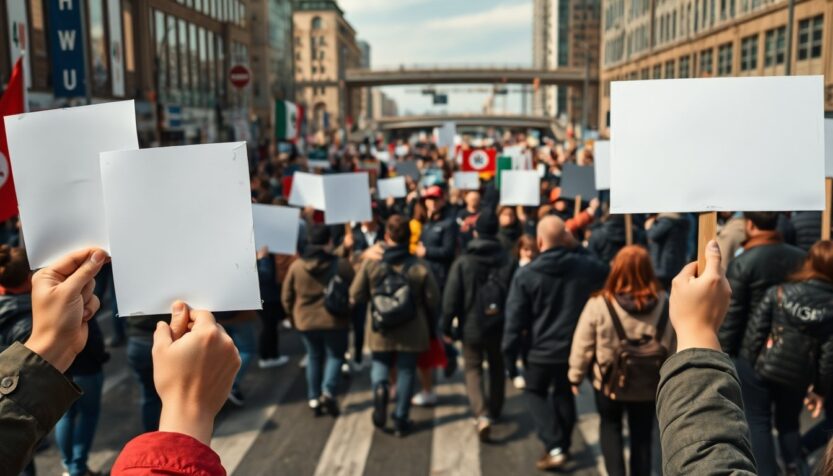
The No Kings demonstrations drew people into streets across the United States and beyond on March 28, 2026, forming a patchwork of rallies that mixed cultural figures with grassroots organizers. What began as local anger over federal immigration operations evolved into a broader set of grievances, including opposition to the war in Iran and economic pressures like rising fuel costs and inflation. Organizers described the events as a show of national solidarity, while critics in Washington dismissed them as marginal. The gatherings were notable for their scale and diversity, with events reported in big cities and small towns alike, revealing how a single theme can tie disparate communities together.
At the heart of this wave of protest was a sustained outcry in Minnesota after the January shootings of Renee Good and Alex Pretti by federal agents. That controversy not only fueled local demonstrations but also legal action: Minnesota authorities filed a suit on March 24, 2026 seeking access to federal evidence to conduct independent probes. Protesters and speakers repeatedly emphasized accountability and transparency as central demands, arguing that state-level inquiries are essential when federal operations affect local lives. These twin tracks—mass demonstrations and courtroom challenges—help explain why Minnesota became the movement’s focal point.
A focal point in Minnesota
The flagship rally at the Minnesota Capitol in St. Paul served as the symbolic center of the day, drawing a mix of local residents, labor leaders and national figures. Headliner Bruce Springsteen performed a new song inspired by Minneapolis and lauded the state’s resistance to a federal immigration surge, saying the response offered hope to the rest of the country. Organizers had anticipated large turnout—citing earlier rounds of protests that drew millions—and framed the Capitol lawn as a stage for defiant civic expression. Signs and chants made clear that the events were about more than one policy: they aimed to rebuke what participants saw as a pattern of heavy-handed federal tactics and shrinking civil protections.
Voices on stage and in the streets
Performers and public figures
Artists and actors were prominent across several demonstrations, lending recognizable voices to the movement. Jane Fonda read a statement from Becca Good, the widow of Renee Good, while Bernie Sanders, Joan Baez and other public figures shared platforms that mixed music, speeches and personal testimony. In New York City, Robert De Niro addressed crowds, condemning what he described as authoritarian tendencies and urging collective resistance. These appearances underscored how cultural prominence was being used to draw attention to policy concerns, from immigration enforcement to health care affordability and housing costs.
Family statements and legal fallout
Messages from the families of those shot by federal agents added emotional weight to the rallies. Becca Good’s remarks about her late spouse emphasized personal loss and the moral stakes of the protests, with organizers highlighting stories to humanize policy debates. At the same time, Minnesota’s lawsuit signaled that public demonstrations were mirrored by formal legal efforts: prosecutors, led by Hennepin County Attorney Mary Moriarty, argued for access to federal investigative material to ensure independent review. The case also referenced other incidents, such as the wounding of Julio Cesar Sosa-Celis, showing that the legal and civic responses were multi-layered and ongoing.
A movement with national and international reach
While Minnesota was billed as the national flagship, events spanned the country—from New York City to small towns like Driggs, Idaho—and abroad, where demonstrations took place in Rome, London, Paris and other cities. Organizers reported thousands of registered events in all 50 states and said many RSVPs came from outside major urban centers, indicating broad geographic engagement. Local flavors varied: some protests used satire and street theater to mock federal enforcement, while others emphasized solemn vigils and family testimony. International rallies often connected the U.S. issues to global concerns, especially opposition to hostilities in Iran and broader calls for peaceful diplomacy.
Responses from Republican officials and the White House were dismissive, with spokespeople attributing the movement’s momentum to partisan networks and media attention. Abigail Jackson and NRCC spokesperson Maureen O’Toole characterized the rallies as fringe activities backed by opponents of the administration. Protesters countered that their demands were rooted in everyday harm—lost lives, economic strain and threats to civil liberties—and pledged to continue both public demonstrations and legal challenges until they saw changes. Whether the events will prompt concrete policy shifts remains uncertain, but the combination of celebrity involvement, grassroots turnout and courtroom pressure has made the rallies a sustained force in the national conversation about immigration, accountability and the use of federal power.