



Tooth decay is one of the main reasons adults lose teeth, alongside gum disease. Below I’ll explain the biology of decay in plain terms and offer straightforward, evidence-backed steps you can use today to lower your risk—and sometimes even reverse very early damage.
How teeth are built and why structure matters
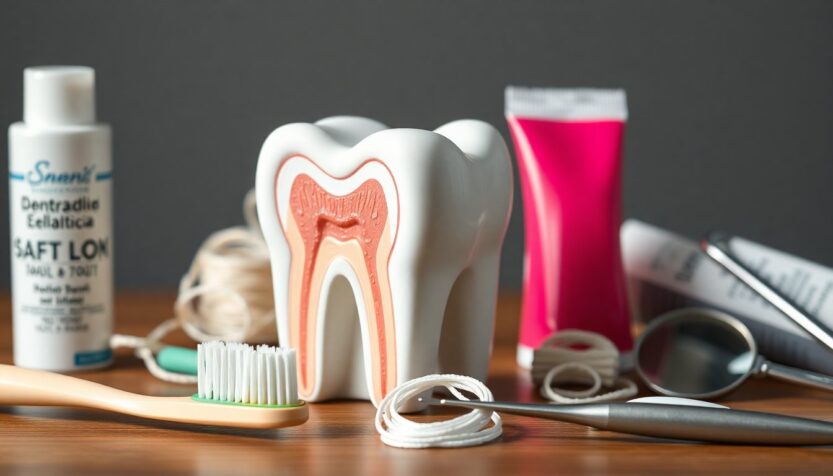
– Teeth have three layers: enamel (the hard outer shell), dentin (a softer layer beneath), and the pulp (the nerve- and blood-supply at the center). Enamel is highly mineralized and resists acid attack; dentin is softer and more porous, so once acid gets through enamel, deterioration speeds up. The earlier you interrupt mineral loss, the better your chance of stopping problems before they become cavities.
The decay process: from mineral loss to a cavity
– Acids that dissolve tooth minerals come from two main sources: bacteria metabolizing sugars, and acidic foods or drinks. The first visible sign of trouble is demineralization, which often looks like a chalky white spot. At that stage, remineralization is possible with fluoride, better hygiene, and dietary changes.
– If acid breaches enamel and reaches dentin, progression accelerates. When the lesion approaches the pulp, sensitivity and pain appear, and treatment becomes more complex—sometimes requiring fillings, root canal therapy, or extraction.
Practical prevention and early-reversal strategies
Many adults face higher risk because of dry mouth, exposed roots from gum recession, diet, or reduced hand dexterity. These make decay more likely but don’t change the underlying biology—so targeted habits make a big difference.
Diet and acid management
– Reduce how often you expose teeth to sugar and acid. It’s much safer to consume a soda or acidic snack in one sitting than to sip or graze for an hour.
– Rinse with plain water after acidic or sugary foods and drinks to dilute residue and help pH recovery.
– Chew sugar-free gum containing xylitol after meals to stimulate saliva and lower acid levels.
Oral hygiene that fits your life
– Consistency matters more than perfection. Aim to brush twice daily with fluoride toothpaste and clean between teeth once a day.
– Electric toothbrushes and small-headed brushes can help people with limited dexterity get a reliable clean.
– Choose tools and routines you will actually use—small, repeatable actions beat sporadic overhauls.
Addressing dry mouth and medications
– Many medications reduce saliva. Drink water regularly, limit caffeine and alcohol, and consider sugar-free lozenges or gum to stimulate flow.
– If dry mouth persists, discuss alternatives or symptomatic treatments with your clinician. For chronic xerostomia, more frequent topical fluoride or professional varnish may be needed.
Managing exposed roots and gum recession
– Root surfaces are covered by cementum, not enamel, and are more vulnerable to acid. Desensitizing toothpastes and high-fluoride products can help protect these areas.
– For widened gaps between teeth, use appropriately sized interdental brushes (proxabrushes), soft picks, or superfloss rather than thin floss that won’t reach plaque.
– Consider professional evaluation for periodontal treatments if recession progresses.
When to escalate care
– White-spot lesions and surface demineralization often respond to behavior change and fluoride. Persistent sensitivity, visible cavitation, or signs of pulp involvement require restorative care.
– Delaying treatment usually increases the complexity and cost of later interventions.
Tools and techniques for limited dexterity
– Use floss holders, extended-handle brushes, angled toothbrushes, or electric brushes to compensate for reduced manual control. Simple ergonomic changes can dramatically improve daily effectiveness.
– Occupational therapy can help patients develop better techniques and independence with oral care tools.
How teeth are built and why structure matters
– Teeth have three layers: enamel (the hard outer shell), dentin (a softer layer beneath), and the pulp (the nerve- and blood-supply at the center). Enamel is highly mineralized and resists acid attack; dentin is softer and more porous, so once acid gets through enamel, deterioration speeds up. The earlier you interrupt mineral loss, the better your chance of stopping problems before they become cavities.0
How teeth are built and why structure matters
– Teeth have three layers: enamel (the hard outer shell), dentin (a softer layer beneath), and the pulp (the nerve- and blood-supply at the center). Enamel is highly mineralized and resists acid attack; dentin is softer and more porous, so once acid gets through enamel, deterioration speeds up. The earlier you interrupt mineral loss, the better your chance of stopping problems before they become cavities.1
How teeth are built and why structure matters
– Teeth have three layers: enamel (the hard outer shell), dentin (a softer layer beneath), and the pulp (the nerve- and blood-supply at the center). Enamel is highly mineralized and resists acid attack; dentin is softer and more porous, so once acid gets through enamel, deterioration speeds up. The earlier you interrupt mineral loss, the better your chance of stopping problems before they become cavities.2
How teeth are built and why structure matters
– Teeth have three layers: enamel (the hard outer shell), dentin (a softer layer beneath), and the pulp (the nerve- and blood-supply at the center). Enamel is highly mineralized and resists acid attack; dentin is softer and more porous, so once acid gets through enamel, deterioration speeds up. The earlier you interrupt mineral loss, the better your chance of stopping problems before they become cavities.3
How teeth are built and why structure matters
– Teeth have three layers: enamel (the hard outer shell), dentin (a softer layer beneath), and the pulp (the nerve- and blood-supply at the center). Enamel is highly mineralized and resists acid attack; dentin is softer and more porous, so once acid gets through enamel, deterioration speeds up. The earlier you interrupt mineral loss, the better your chance of stopping problems before they become cavities.4
How teeth are built and why structure matters
– Teeth have three layers: enamel (the hard outer shell), dentin (a softer layer beneath), and the pulp (the nerve- and blood-supply at the center). Enamel is highly mineralized and resists acid attack; dentin is softer and more porous, so once acid gets through enamel, deterioration speeds up. The earlier you interrupt mineral loss, the better your chance of stopping problems before they become cavities.5