



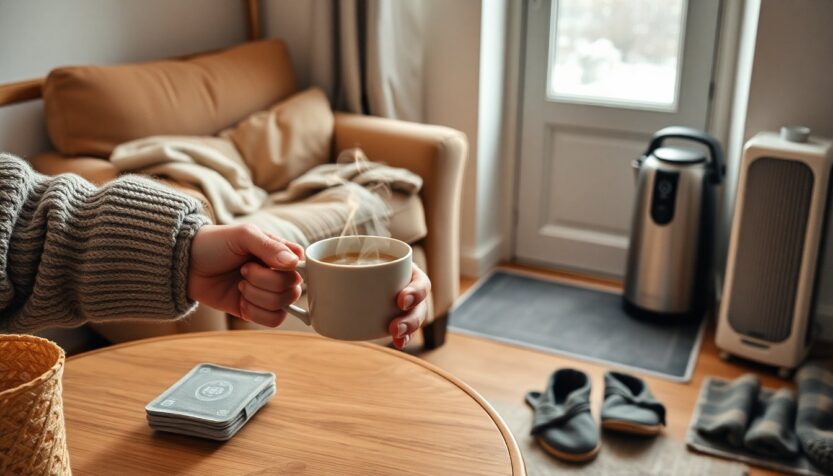
Small, inexpensive changes to everyday routines can make cold, short days noticeably easier—especially for people juggling work, caregiving and household tasks. This guide collects practical, low-cost strategies contributors use to stay warmer, calmer and more functional at home and on the go.
The focus is deliberately simple: quick wins that don’t take time or money to implement. You’ll find tips on smart layering, tiny home comforts, brief self-care rituals and a few kitchen tweaks—each chosen for immediate payoff during chores, commutes and evenings.
Clothing and layering: warmth without bulk
– Think in layers, not coats. Start with a close-fitting base layer that wicks moisture and traps heat—merino wool or technical synthetics work well and resist odor. – Add a lightweight mid layer such as thin fleece, a quilted vest or a slim down panel to boost insulation while keeping your arms free for tasks. – Finish with a breathable shell that blocks wind and light rain. A DWR-treated jacket prevents damp chill without overheating you during quick indoor transitions. – Fit matters. Slim, stretchy garments preserve your silhouette and allow easy movement; avoid oversized pieces that squash insulating layers. – Protect hands and wrists. Fingerless gloves, thin liners under mitts, and wrist warmers keep dexterity for typing, driving and caregiving. – Choose multifunctional items: packable down, convertible sleeves and thermal leggings that can double as outerwear reduce closet clutter and decision fatigue. Small, well-chosen investments in fabric and fit save time, keep you comfortable and make dressing simpler on cold mornings.
Home comfort and quick rituals
Tiny rituals can replace cranking up the heat and create a more comfortable, energy-wise routine.
– Put together a portable comfort kit: a pocket thermos, a spare pair of thin liners and a lightweight scarf. Keep a second pair of slippers by the door to slip into as soon as you get home—no full outfit change required. – Schedule short warming breaks. Ten minutes with a warm foot soak raises peripheral temperature and helps circulation; it’s a fast reset between errands or meetings. – Use staged heating: bump the thermostat a few degrees for planned periods rather than running high heat all day. Pair that with a humidifier set to a moderate level—moist air feels warmer and reduces the urge to overheat the whole house. – Small electric personal-comfort gadgets—wearable warmers or app-driven intermittent heaters—are becoming affordable and can cut whole-home energy use by targeting warmth where you need it. Organizations can help by allowing flexible dress codes and brief warm-up pauses; at the individual level, a few micro-rituals now will pay off in saved time and steadier comfort.
Evening and bedside routines that actually work
Low-energy evening habits provide comfort without a big utility bill.
– A short, warm bath with Epsom salts or magnesium flakes soothes tired muscles and signals your body to unwind. – Pair the bath with a favorite scent—cedar, pine or a gentle citrus—to create a calming ritual your brain begins to expect. – Invest in breathable wool slipper-socks with cushioned soles to keep feet warm on cold floors without trapping moisture. – Keep a dedicated mug for morning drinks (always in the same spot). The simple ritual of reaching for a familiar cup reduces decision fatigue and lifts the mood on dim mornings.
Kitchen upgrades and tiny luxuries
Food can brighten even the dullest winter produce with just a few pantry upgrades.
– Replace one or two stale spices first. A fresh specialty spice or a single, well-made seasoning blend can transform leftovers and plain veg into meals you look forward to. – Store new spices in airtight containers and label them for quick access—small organization tweaks make flavorful cooking faster and more likely to stick. – Keep a modest outing kit for food and drink: an insulated bottle, a compact thermos and a couple of favorite warming drinks. Avoiding the need to reheat or dash out in bad weather cuts friction from the day.
Hygiene, skin care and everyday resilience
Cold months bring more close contact and drier skin—prepare simply and effectively.
– Carry a pleasantly scented hand spray so sanitizing feels less clinical and more likely to become a habit. Keep small bottles in your bag, car and by the front door. – Use a dense balm on hands and heels to stave off cracking and soreness—treating these issues early prevents painful interruptions. – Assemble a compact comfort-and-hygiene kit: one insulated bottle, one thermos, two tiny hygiene bottles and a tub of balm. It takes up almost no space but smooths many daily bumps.
A practical three-step habit to start tomorrow
1. Pare down pantry jars to what you actually use. 2. Put a preferred drinking vessel where you’ll grab it without thinking. 3. Keep warm bedside footwear for instant comfort when you step out of bed. Combine these small moves with deliberate layering and a couple of short restorative rituals, and you’ll reduce daily friction while saving time and energy.
Build your winter toolkit
Standardize a few inexpensive changes—smart layers, a portable thermos, a small comfort kit, and one kitchen upgrade—and see which ones pay off most for your household. These modest adjustments won’t revolutionize the season, but together they make cold months less stressful, faster to manage and much more livable.