

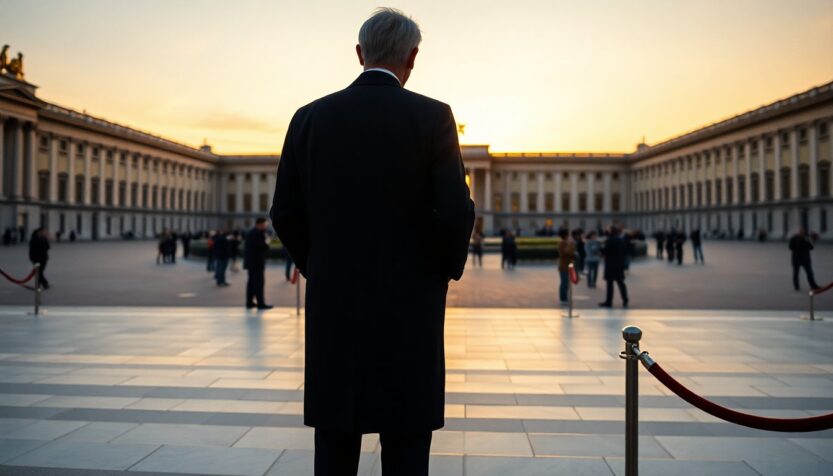
The public conversation about Prince Harry’s relationship with the monarchy resumed after a recent ITV interview in which he disputed the idea that he is “not a working royal.” During the exchange he made a simple, forceful point: “I will always be part of the Royal family.” That statement framed a wider defense of the activities he continues to undertake around the world and the value he believes his background gives him in drawing attention to issues.
Harry’s response came while reporters referenced international trips and charitable visits he and his wife, Meghan Markle, have undertaken since they stepped back from senior royal duties. Those journeys—some similar to the engagements they carried out when they were full-time royals—prompted renewed debate about whether distance from official court roles removes someone from the institution. Harry countered that being born into the family means his life will always involve public service and that he still pursues it with intent and enjoyment.
How the departure was announced and what it meant
In an official statement on January 8, 2026, Harry and Meghan described a deliberate decision to change how they engaged with the monarchy: they planned to “step back as ‘senior’ members of the royal family” and split their time between the United Kingdom and North America while seeking financial independence. That message introduced the phrase step back as a formal description of their altered role—neither a full withdrawal nor an unchanged continuation of previous responsibilities. The wording left room for ongoing ties while signalling a clear desire to reshape public and private boundaries.
What Harry said in the interview
Asked directly whether he accepted being called “not a working royal,” Harry answered plainly: “No. I will always be part of the royal family.” He elaborated, saying, “I am here working doing the things that I was born to do,” and stressed the personal rewards of that work. He described enjoying the visits, supporting people and causes he had previously connected with, and using his visibility to keep attention on issues that might otherwise fade when the news cycle moves on. Those remarks frame his actions as continuity rather than abandonment.
Why the wording matters
The exchange highlights a tension between titles and activity. The label working royal typically applies to those who perform duties under the formal royal household structure. Harry argued that his heritage and public profile still enable “public service” even if he no longer holds a full-time position in that structure. This distinction matters for how media, institutions and the public evaluate outreach, patronage work and advocacy linked to members of the royal family.
Platform and priorities
Harry emphasized the strategic value of the platforms available to him: keeping focus on humanitarian and social issues, including support related to conflict zones and other urgent causes. He suggested that travel and public appearances help sustain attention on matters that can be eclipsed by later headlines. In his view, the ability to bring consistent awareness is part of the ongoing role he occupies as a royal by birth.
Context and continuing debate
The 2026 announcement set the couple on a new trajectory that blended private life with selective public engagement. Since then, Harry has referenced the motives behind the decision—protecting family welfare amid intense press scrutiny—and reiterated that withdrawing from court life was not intended as a permanent severing of ties. Those explanations have shaped both public sympathy and criticism, and the recent interview crystallized the central claim he maintains: association with the monarchy is enduring and his commitments continue.
Public reaction and what to watch next
Responses to Harry’s clarification vary across news outlets and commentators; some accept his distinction between title and activity, while others maintain that formal duties and funding define a “working” royal. What will determine future perceptions is how consistently Harry engages in public service, legal and media interactions that influence his ability to operate, and any formal decisions made by the palace about roles and patronages. For now, his message is clear: he sees himself as a member of the royal family who continues to do the work his background gives him access to.
In brief, the interview reaffirmed a position Harry has stated before: stepping back from daily court life did not equal walking away. Whether that position changes public or institutional labels remains part of a broader conversation about modern monarchy, media scrutiny and the shape of contemporary public service.