



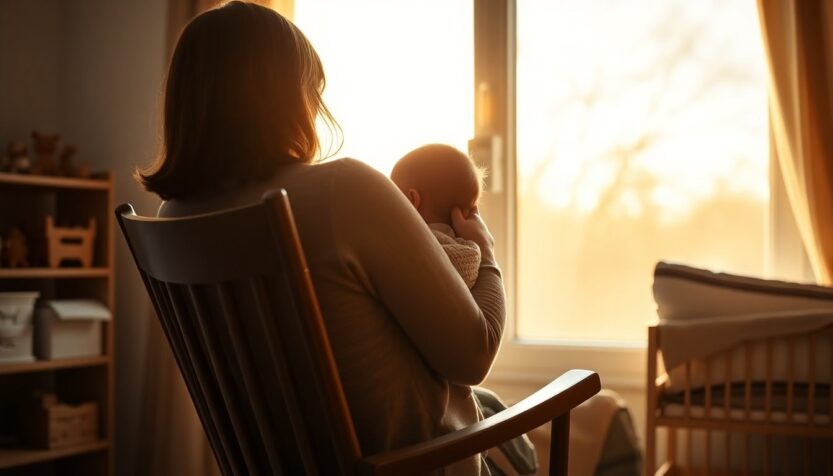
I want to begin with how ordinary and extraordinary the early days felt: the weeks of trying to conceive, the heartbreak of a miscarriage, and the relief when our daughter arrived. Those moments shaped a sense of being brittle and strong at once. In the first months, Carmela smiled and laughed, and we floated on that joy. But beneath the ordinary baby milestones I started to notice small mismatches—she lagged physically in ways that made the rest of life feel suddenly precarious. I held myself together in public and let the confusion settle in private. That stoic front was my survival mechanism.
As the months passed, discrepancies grew clearer. At six months she could not hold a bottle steady; at a year she wasn’t pulling to stand. Pediatric appointments, advice from well-meaning friends, and my own searching eventually pushed us toward specialists. A new pediatrician—who happened to have a neurodivergent child—observed what I already feared: limited eye contact and delayed motor skills. She urged immediate enrollment in regional services. While the paperwork and waiting rooms required patience I did not have, we found a local physical therapist who helped Carmela make tangible gains. Those early therapy sessions taught me an essential truth: the brain and the body must communicate, and if that connection is disrupted, the issue is more than physical.
Diagnosis and its ripple effects
Genetic testing following a neurologist visit gave us a name for part of the pattern: the SCN2A variant. That result explained a cluster of concerns—hypotonia (low muscle tone), differences in sensory processing, and traits associated with autism. Receiving a label felt both clarifying and devastating. In the sterile light of the doctor’s office, my husband and I collapsed into tears; minutes later our daughter cried too, as if responding to the shift in the room. I learned quickly that diagnosis changes how you plan: it reframes goals, activates services, and forces you to develop a vocabulary for needs you cannot yet fully describe. It also taught me to advocate and to accept that uncertainty will remain.
Daily life: therapies, logistics, and public scrutiny
The years after diagnosis blurred into an exhausting rhythm of therapies, evaluations, and preschool transitions. We juggled physical therapy appointments, speech sessions, and the search for clinicians who truly listened. Outside our home, the world often offered puzzled looks, questions, or misplaced pity. I learned to translate my daughter’s behaviors into explanations for strangers, to write long emails to teachers assuring them she would not harm others, and to step between her and danger in situations that felt trivial for other families. Being the parent of a child who cannot reliably communicate hunger, pain, or danger demands constant attention; I am always watching, guiding, and interpreting. That perpetual state of vigilance takes both a physical and emotional toll.
Sibling dynamics and private grief
The contrast between my two children sharpened everything. My son Carlo responds when called, offers hugs readily, and participates easily in shared activities. Carmela’s world is quieter and more internal. Watching them interact can be both tender and painful: Carlo’s affection and Carmela’s limited tolerance create a dynamic I continually navigate. Alongside these daily realities is a quieter, deeper mourning for the imagined life I had pictured—shared hobbies, conversations, and simple reciprocal closeness that may not happen as I once pictured. That grief is not about wishing my child different; it is about releasing expectations and mourning versions of motherhood that will not arrive.
Acceptance, intervention, and the work ahead
I have struggled to reconcile two truths: that my daughter’s neurology is not a problem to be erased and that she needs tools to thrive in a world not designed for her. I agree with the idea that neurodiversity is valuable; I also know she cannot tell me when she is thirsty, in pain, or in danger. That gap produces anxiety and behaviors that look like suffering: sleep disruption, aggression, regression. My aim is not to change her essence but to teach her strategies that reduce daily distress and increase independence. Early intervention is crucial—not to normalize, but to equip. Every appointment and exercise is an investment in abilities that may allow her to one day speak for herself.
Why ongoing advocacy matters
Parenting a child with differences turns you into a constant negotiator: with schools, clinicians, and the public. The work is administrative, educational, and emotional. I have become adept at research, at asking hard questions, and at insisting on supports. Yet it is also intimate caregiving—singing, dancing, and finding moments when my daughter locks eyes and I feel the depth of connection that exists regardless of words. There are bright, ordinary joys intertwined with the exhaustion and fear that I will remain the primary interpreter of her needs for years to come.
As autism awareness month arrives, I share this not for sympathy but for clarity: families like mine live with a mixture of fierce love, relentless advocacy, and private mourning. We are grateful, we are tired, and we are steady. My hope is that awareness deepens into understanding and action—more inclusive schools, better supports, kinder public interactions—and that the question most people ask shifts from “Why won’t she talk?” to “What can we do to make life safer and fuller for her?”