



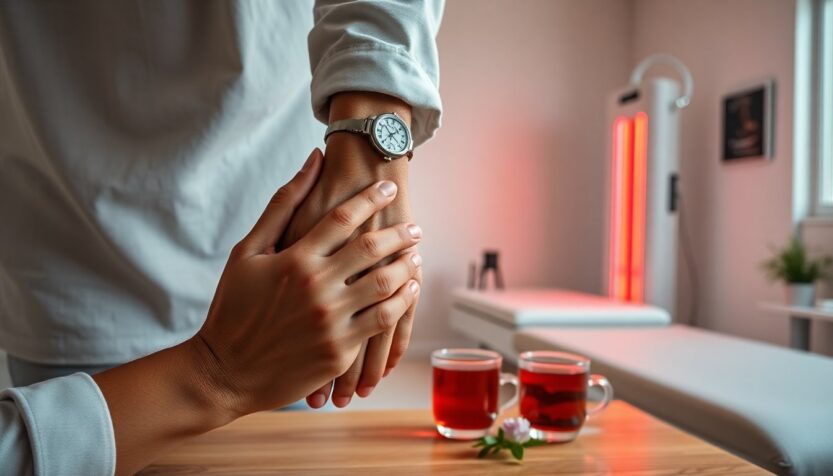
Relationships and personal health are closely connected. Emotional bonds influence physical recovery, and physical wellbeing shapes how people care for one another. This report presents concise, expert-backed habits that can strengthen relationships in days. It also examines targeted wellness treatments—including red light therapy and vibration platforms—that clinics increasingly use to support resilience and recovery.
The first section outlines immediate interpersonal techniques to increase emotional closeness and improve communication. The second section reviews a clinic-based wellness protocol combining advanced full-body medical light systems with vibration sessions. Clinicians typically customize these protocols to address recovery, inflammation reduction, and mobility.
Quick habits to deepen connection in days
Small, intentional changes in daily behavior can alter how partners relate to one another. Begin with three straightforward practices that are simple to adopt and easy to sustain. First, prioritize undistracted time: set aside 10–20 minutes daily, phone-free and uninterrupted, to create a regular container for intimacy. Second, name emotions without judgment using brief, structured language such as “I feel… when…” to reduce assumptions and open pathways to collaborative solutions. Third, offer concrete acts of care—specific, observable actions rather than vague assurances—to signal reliability and support.
Practical exercises to try
Adopt a nightly ritual in which each person shares one highlight and one challenge from their day. Use a neutral tone and validate the account without immediately offering solutions. This practice encourages listening and signals mutual respect.
Introduce a mutual appreciation exercise: exchange one specific compliment that acknowledges a recent action or personal quality. Be concrete and avoid generic praise. Specific acknowledgments increase the frequency of positive interactions and help build emotional safety.
Both habits are brief and repeatable. When practiced consistently, they increase opportunities for repair after conflict and are associated in the literature with higher relationship satisfaction. Continue these routines until they become habitual; small, repeated acts often produce measurable improvements in connection and wellbeing.
Communication and boundaries as foundations
Continue these routines until they become habitual; small, repeated acts often produce measurable improvements in connection and wellbeing. Healthy relationships require a balance of closeness and clearly defined limits. Communicate needs early and with direct language to prevent resentment from building.
When establishing limits, use I-statements and focus on desired outcomes rather than assigning blame. For example: “I need 30 minutes in the evening to unwind before we talk” instead of “You always expect me to be available.” Explicit agreements about time, finances, and social commitments reduce friction and increase predictability.
Managing conflict constructively
Address disagreements with specific repair behaviors, such as sincere apologies, brief pauses when emotions run high, and prompt re-engagement with curiosity. A brief check-in after a disagreement can function as a micro-repair and prevent escalation.
Reframe conflict as an indicator of unmet needs rather than as proof of incompatibility. If negative patterns persist despite consistent effort, consider seeking professional support to change interaction habits and restore stability.
How wellness therapies can support relationship health
Following sustained efforts to change interaction habits, physical recovery can make emotional work more feasible. Clinics that combine targeted modalities aim to speed rehabilitation and restore daily functioning. That practical restoration can help partners re-establish shared routines and sustain connection.
One common example is red light therapy. Specific wavelengths penetrate skin and boost ATP production, supporting tissue repair and reducing inflammation. Those cellular effects often improve energy levels and physical resilience, which can free capacity for emotional availability and joint activities.
When clinics offer coordinated programs—for example, combining light therapy with physiotherapy or stress-reduction techniques—patients may regain stamina more quickly. Restored stamina can lower barriers to intimacy and cooperative caregiving, particularly for people balancing health recovery with relationship responsibilities.
Evidence on the direct link between specific therapies and relationship outcomes remains limited. Still, clinicians and therapists increasingly view physical rehabilitation as a component of relational recovery. Expect more integrated care pathways as research clarifies which modalities reliably translate into improved emotional engagement.
Expect a smoother transition from recovery protocols to emotional work when clinics deliver coordinated, evidence-based care. Integrated pathways pair brief mechanical therapies with lifestyle guidance to shorten downtime and support sustained participation.
Customization and practical benefits
High-quality providers tailor plans to individual objectives, whether pain management, tissue repair, or mobility restoration. Clinicians adjust intensity, frequency and modality sequencing to match medical history and functional goals.
Brief sessions of focused vibration work can enhance circulation and promote lymphatic drainage. A vibration platform induces rapid muscle contractions that resemble the physiological effects of longer exercise sessions. The result can include improved muscle tone, greater joint mobility and accelerated removal of metabolic byproducts.
For time-pressed couples, streamlined protocols that combine light manual therapies and targeted vibration can reduce treatment time while delivering measurable recovery gains. When therapists coordinate care with clear home routines, adherence increases and clinical benefits consolidate.
Bringing it together: small steps for big change
Combining targeted therapies with dietary guidance amplifies outcomes. Balanced, nutrient-dense meals support cellular repair and replenish energy, making it easier to maintain consistent recovery habits.
Shared wellness routines, when mutually agreed and scheduled, create practical rituals. Those rituals can support physical recovery and create structured opportunities for mutual support without adding burden.
Ongoing clinical trials and practice audits will clarify which modality combinations most reliably improve emotional engagement and relationship resilience. Expect care models to evolve as evidence identifies the most effective, scalable protocols.
Pair a single communication habit with one wellness practice this week
Expect care models to evolve as evidence identifies the most effective, scalable protocols. Start by introducing one interpersonal habit and one targeted wellness practice over seven days.
Choose a simple relational change, such as a nightly appreciation ritual or a brief check-in after dinner. Pair it with one focused recovery activity, for example two short sessions aimed at inflammation reduction and improved mobility. Keep both interventions easy to repeat.
Track three subjective measures daily: mood, sleep quality, and frequency of meaningful interactions. Use a short log or a two-question rating scale. Record observations each evening for seven consecutive days to detect early trends.
Small, consistent actions can produce compounding effects. Incremental gains in energy and communication often reinforce each other, making new patterns easier to maintain. Evidence-informed tools combined with intentional communication create a practical route to better connection and faster physical recovery.
Begin with a gentle conversational change or a single recovery session. Seven days of consistent practice should reveal initial shifts in well-being and relational tone, guiding whether to scale or adjust the approach.