


A handful of low-cost purchases and small habit changes can reduce winter friction and improve daily safety and comfort. Instead of investing in expensive outerwear, practical budget-friendly items and modest routine adjustments often deliver the largest benefits. This article compiles pragmatic, low-cost solutions for urban and rural residents.
The recommendations are grounded in everyday experience and prioritise utility over trend. They are suitable as a seasonal checklist or as inexpensive gifts that ease winter routines. (Original post published 25/02/2026 21:00.)
Everyday essentials that make leaving the house easier
Everyday essentials that make leaving the house easier can lower risk and preserve comfort during cold-weather travel. A small set of targeted items reduces the friction of heading outdoors and requires little expense.
Grip-friendly shoe traction devices slip over boots and provide immediate stability on icy sidewalks. They cost a fraction of specialty winter boots and materially improve walk safety for commuters and errand runners. Pairing traction cleats with a compact, insulated thermos keeps hot beverages or broth warm through trips, offering a modest comfort that can ease early-morning routines.
Practical additions for footwear and hands
Thin, touchscreen-capable liner gloves allow phone use while maintaining finger warmth. They fit under thicker gloves for layered protection on very cold days. Another low-cost option is adhesive anti-slip tape for doorsteps and narrow entrances; when applied according to manufacturer instructions, it provides immediate traction on icy thresholds without structural changes or professional work.
Home comforts that cost little but improve quality of life
Home comforts that cost little but significantly improve quality of life can reduce stress during winter and cut energy expenses. A programmable space heater can warm a single room more quickly and at lower cost than raising the thermostat for an entire dwelling. Choose units with tip-over protection, overheat sensors and automatic shutoff to reduce fire risk. Position heaters on level, non-flammable surfaces and keep combustible materials at least three feet away.
Kitchen and bedroom upgrades
In the kitchen, a compact slow cooker or an electric kettle provides hot meals and beverages with minimal energy use and without heating the whole home. These appliances shorten active cooking time and allow batch preparation that can be reheated safely.
In sleeping areas, a weighted blanket or a hot-water bottle offers targeted warmth and can improve sleep continuity for some people. Use covers that meet care instructions and replace hot-water bottles showing wear. These items represent modest investments in comfort and sleep quality rather than seasonal indulgences.
Seal gaps around doors and windows with weatherstripping or draft stoppers to retain heat. These materials are low cost and typically simple to install. Improved insulation at thresholds reduces drafts and lowers heating bills while making rooms more comfortable.
Simple safety and maintenance tips
Households and commuters can reduce winter disruption with small, practical adjustments at the entryway and in daily carry items. Keep a basket by the front door for essentials: a compact umbrella, quick-grab gloves, a hat and a reusable grocery bag. These items speed exits and limit last-minute searches on dark mornings.
Install a small hook or tray for wet masks, gloves or boots to prevent damp items from spreading moisture through the entryway. A contained spot for wet gear helps preserve flooring and reduces slip risk.
Commuters should consider a pair of inexpensive, bright LED clip lights for backpacks or strollers. Increased visibility on dark mornings and evenings improves pedestrian safety near roads and at crosswalks.
Personal care also affects daily resilience. A nourishing hand cream and a simple lip balm applied regularly prevent painful cracks and chapping that can slow routines. Store these items in coat pockets or a small pouch in a bag so they travel with you.
These measures complement insulation and threshold improvements by addressing everyday friction points that amplify winter inconvenience. Practical placement and routine use make them low-cost ways to preserve comfort and safety during colder months.
Practical winter preparedness at home and on the road
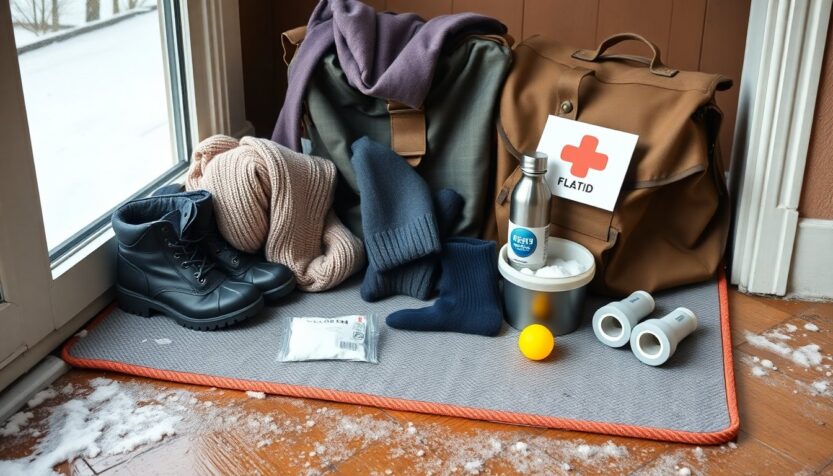
Practical placement and routine use make them low-cost ways to preserve comfort and safety during colder months. Keep a small supply of ice melt or coarse sand near the primary entrance to clear short walkways quickly and reduce fall risk. Store these materials in a covered container to prevent clumping and to limit tracking inside the house.
Vehicle preparedness further reduces winter hazards. A compact ice scraper and a basic emergency kit — blanket, flashlight, and phone charger — should be kept in every car. Check and replace batteries in flashlights and smoke detectors on a seasonal schedule. This inexpensive maintenance step prevents common winter failures.
Small evening routines yield measurable benefits for commuters and households. Spend a few minutes each night to prep outerwear, charge essential lights, and stage a thermos or travel mug for the morning trip. These habits cut decision fatigue, lower the chance of hurried mistakes, and make daily travel safer and less stressful.
Winter routines that reduce risk and save time
These habits cut decision fatigue, lower the chance of hurried mistakes, and make daily travel safer and less stressful. Adopt a small set of repeatable actions to reinforce those gains. Regularly check footwear and outer layers before leaving the house. Place a dedicated bag by the door with items you use every day.
Schedule brief inspections of entryways and walk surfaces once weekly. Look for loose mats, clutter, or early ice formation so you can address hazards before they worsen. Keep a short shopping list of replenishable supplies and restock them on a fixed day to avoid last-minute runs.
For drivetime, pre-plan routes that favour cleared streets and well-lit roads. Allow an extra five to ten minutes for cold-weather departures to reduce haste. Charge essential devices overnight and keep a compact emergency kit in the vehicle.
At home, set thermostats to maintain steady temperatures overnight and during absences. Consistent heating reduces strain on systems and helps prevent frozen pipes. Pair simple insulation steps with routine checks of visible plumbing and heating equipment.
Minor investments and predictable routines deliver practical returns: improved warmth, enhanced safety, and fewer interruptions to daily life. Expect steady comfort through the season when small actions become habitual and consistently applied.