
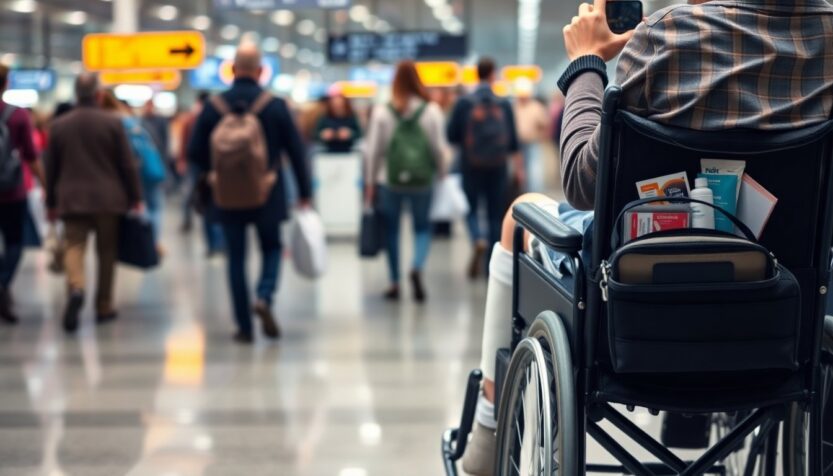
Air travel can be physically demanding even for people without existing problems, and it becomes more complex when you are coping with a recent fracture, torn shoulder, or chronic condition like rheumatoid arthritis. I learned this the hard way: a casted leg in a wheelchair, an abrupt bump from another traveler, and a cascade of reminders that airports are crowded, hurried places. Over years of frequent flying and trial-and-error adjustments, I developed a toolbox of approaches to reduce pain, preserve function, and make journeys less risky. These ideas work for other transportation modes as well and are meant to help you remain comfortable and safe from curb to gate.
Packing light and choosing adaptive clothing
One of the simplest protective moves is reducing what you carry. Streamline your wardrobe by picking a few versatile pieces that mix and match and travel well; this decreases the need to lift heavy suitcases into overhead bins. Use packing cubes and roll garments to save space and keep items organized. Fabrics like merino or smart wool are helpful because they regulate temperature and resist odors, letting you wear the same core pieces multiple times. Comfortable, supportive shoes, such as black sneakers with good arch support, provide stable footing in terminals, and wrinkle-resistant tops or blouses cut down on the temptation to overpack. Keep suitcase wheels maintained to reduce the effort of moving luggage through long concourses.
Seat selection, checked luggage and airline communication
Where you sit and whether you lift a bag into an overhead bin can make a dramatic difference. If one limb is injured, you might prefer a window seat on the side opposite the affected arm so people are less likely to bump you; if you travel with a companion, have them sit on your vulnerable side. When in doubt, contact the airline ahead of time via phone or chat to request a suitable seat and explain mobility needs. Purchasing a reserved seat or applying frequent flier upgrades can be worth the cost when it prevents strain. Consider checking a heavy suitcase rather than lifting it into an overhead; a paid checked bag or a complimentary option from an airline card can be an investment in your health.
Smart luggage choices and asking for help
If overhead lifting is a problem, ask at the gate about gate check options or request assistance when boarding. Don’t assume that a tall or muscular-looking passenger can help—their own injuries or limitations might not be visible. When you need to lift, set a stable stance, bend at the knees, engage core muscles, and move slowly to use good body mechanics. Keep in mind that flight attendants have occupational limits and are not required to handle heavy personal items, so plan for practical alternatives like checking bags or having a travel partner store carry-ons.
Make your needs visible and bring key supports
Showing your support devices signals to others that you need space and care. Wear a sling or use a cane visibly rather than hiding them, and board early in the pre-boarding group if that is available so you can settle without jostling. A compact roller bag that slides under the seat can hold electronics and essentials while keeping your shoulders free. Choose a cross-body purse with RFID protection to secure valuables and make access easy; keeping important items on your person reduces repeated reaching or awkward lifting. Bringing a small pillow to prop an arm or cushion a painful joint can be surprisingly helpful—use a pillowcase and washable travel pillows to keep things sanitary.
Hygiene, pacing and travel tools
When you have an autoimmune condition or want extra protection, wearing an N-95 mask during boarding and deplaning can lower exposure to respiratory germs. Wiping tray tables, armrests and belts with an antibacterial wipe is a low-effort habit that can reduce irritants. Avoid rushing: give yourself extra time for transit by using services like TSA PreCheck and Clear Plus, consult the TSA app for queue estimates and permitted items, and check road travel times with navigation apps to prevent last-minute dashes. Slow, deliberate planning—selecting seats, limiting carry weight, and making your needs known—reduces the chance of exacerbating an existing injury and makes travel less stressful for everyone.
Travel does not have to be an ordeal when you are healing or managing a chronic condition. Small changes—lighter packing, thoughtful seating, visible supports, and a willingness to ask for help—add up to fewer flares and less pain. What strategies, products, or routines have you found helpful when navigating airports with a mobility issue or chronic illness? Share your tips and favorite gear so others can benefit from practical, real-world solutions.