



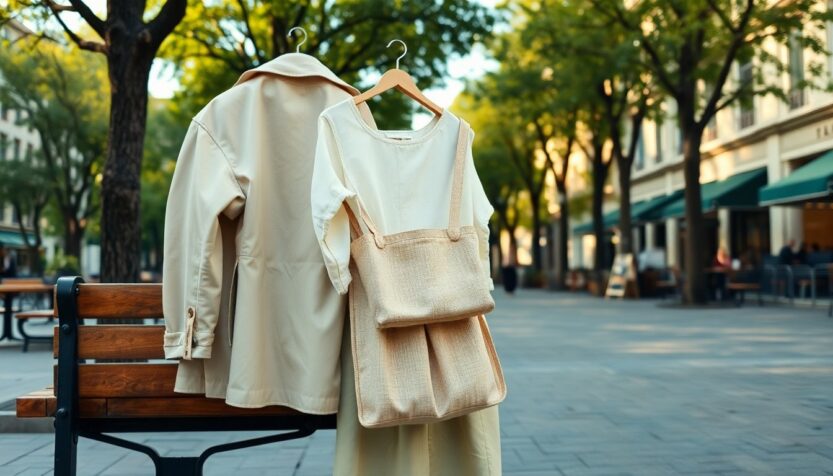
The palate never lies: spring wardrobes should taste as balanced as a well-composed dish. As the city shifts to lighter layers and longer afternoons, wardrobes need small, decisive edits.
This brief report presents seven spring pieces that aim to refresh daily routines without demanding a full overhaul. The selection, presented in collaboration with Nordstrom, emphasizes timeless fabrics and thoughtful details suited to commuting, brunch, or a walk under budding trees.
These items were chosen for versatility. They layer cleanly, adapt to shifting temperatures, and pair with basics already in most closets. Think of this as a compact capsule of seasonal staples — pieces that combine easily, wear comfortably, and signal spring without fuss.
Published 26/02/2026.
Core tops that lift your outfits
Published 26/02/2026. Core tops that lift your outfits require small, intentional choices that speak to both texture and proportion.
The palate never lies: garments register like flavours on the tongue. Behind every design there is a story of craft, provenance and purpose. As a chef I learned that layering delicate elements yields a more memorable result. Applied to wardrobe staples, that principle favours shirts that add interest without fuss.
An eyelet shirt offers pierced motifs and embroidered detail that read vintage yet current. The fabric breathes and maintains a tidy silhouette when paired with denim or a linen skirt. Its construction suits warmer days and transitional weather alike, shifting from casual to polished with accessory changes.
A ruffle shirt introduces measured volume and soft movement. Ruffles frame the body and create a feminine line without demanding complex styling. The silhouette flatters a range of trousers and skirts, and the shirt functions as a composable element within a small seasonal capsule.
How to style these tops
Balance is central. When a top carries texture, keep the rest of the outfit restrained. Pair an eyelet shirt with structured denim and a pared-back sandal to emphasise contrast. Combine a ruffle shirt with tailored trousers for a controlled, modern look.
Material and colour matter as much as cut. Choose natural fibres for breathability and longevity. Neutral tones extend outfit options; a single accent colour can read cohesive across several pieces. Pay attention to scale: small eyelet patterns suit narrow lapels and slim belts, while larger ruffles work best with cleaner lines below.
Consider the supply chain and care. Fabrics with visible embroidery or delicate finishes often require gentler washing and thoughtful sourcing. Behind every garment there is a traceable process; aligning choices with local makers and shorter filiere supports durability and reduces waste.
Light layers and finishing touches
Building on choices that favour local makers and shorter supply chains, consider how small styling moves extend a garment’s life. Tuck an eyelet shirt into high-rise jeans for a modern everyday silhouette. Add loafers or white sneakers to balance dressed-up details with comfort.
Wear a ruffle shirt under a lightweight blazer for tailored polish. Alternatively, let it stand alone with tailored shorts for a softer, warmer-weather look. Pay attention to proportion: keep one element structured and the other fluid to avoid visual overload.
Texture creates the final impression. Contrast cotton eyelet with structured denim to make each fabric read clearly. Mixing materials and silhouettes clarifies intent and keeps outfits intentional rather than incidental.
The palate never lies: just as flavours need balance, so do fabrics and finishes. Small finishing touches—cuff placement, shoe choice, a restrained belt—complete an outfit and reinforce thoughtful consumption.
Practicality meets polish
Small finishing details complete an outfit and reinforce thoughtful consumption. Choose pieces that layer easily to handle variable spring weather throughout the day.
Prioritize a coherent palette that eases mixing across looks. Neutrals paired with one or two accent hues make combinations intuitive and reduce wardrobe clutter.
Favor fabrics described as breathable or lightweight; comfort depends more on material than on silhouette alone. These choices create an adaptable wardrobe anchored by a handful of reliable pieces.
The palate never lies: sensory memory guides good styling as surely as it guides flavour. Treat texture and weight as you would seasoning—balanced, intentional, and suited to the moment.
Accessories signal season without chasing trends. A woven belt or straw bag adds a clear seasonal cue while supporting local craftsmanship and shorter supply chains.
Shoes should bridge seasonal extremes. Opt for mules or low-heeled slingbacks to refresh simple outfits and maintain practical wearability between boots and sandals.
Putting it all together: a seven-piece approach
Following practical footwear choices such as mules or low-heeled slingbacks, stylists and wardrobe planners recommend assembling a compact, interchangeable set of garments. The proposal centres on seven complementary items: two tops, a lightweight sweater, a versatile bottom, a transitional outerwear piece, practical shoes and a seasonal accessory. This seven-piece strategy reduces morning indecision and supports longer garment lifecycles.
Each item should pair with at least three others to create multiple looks from fewer pieces. Choose fabrics and cuts that tolerate layering and movement. Prioritise neutral tones and one accent to preserve adaptability while allowing small, expressive details to stand out.
The approach advances both usability and sustainability. Fewer purchases lower wardrobe turnover and ease closet management. Retail and consumer studies show compact capsules can cut routine shopping impulses and extend the useful life of garments.
As a former chef I learned that texture and balance matter as much on a plate as in a wardrobe. The palate never lies: combine tactile contrasts—soft knit against crisp cotton—to make simple outfits feel intentional. Behind every outfit there’s a story of choice; this method makes that story easier to tell.
Practical next steps: audit current pieces against the seven-item framework, identify gaps, and invest selectively in high-fit pieces that serve multiple functions. Expect a measurable reduction in daily decision fatigue and clearer seasonal rotation in the months after implementation.
Expect a measurable reduction in daily decision fatigue and clearer seasonal rotation in the months after implementation. Small changes can yield visible benefits for morning routines and closet efficiency.
Spring edit: small changes, lasting effect
To examine curated product suggestions and visual examples, consult the original selection presented with Nordstrom. The edit emphasizes wearable, flattering items designed for everyday life rather than a full closet overhaul.
For detailed item descriptions and shopping options, see the full edit at Cup of Jo’s spring trends feature. The piece provides photographs and styling notes that illustrate how seven intentional pieces combine across temperatures.
The palate never lies, and as a former chef I learned to trust small, high-quality additions to a repertoire. The same principle applies to dressing: targeted updates deliver texture, ease and cohesion.
Focus on breathable fabrics, mixable colorways and garments that layer easily from cool mornings to bright afternoons. Select pieces that perform across settings to preserve flexibility and reduce wardrobe clutter.
Behind every outfit there’s a story of choices about fit, fabric and provenance. Prioritize garments with clear care instructions and transparent supply chains to align style with sustainability and local sourcing where possible.
Expect clearer seasonal rotation and less decision fatigue as these seven items enter regular use. The next season will reveal which pieces endure and which merit replacement or reinvestment.