



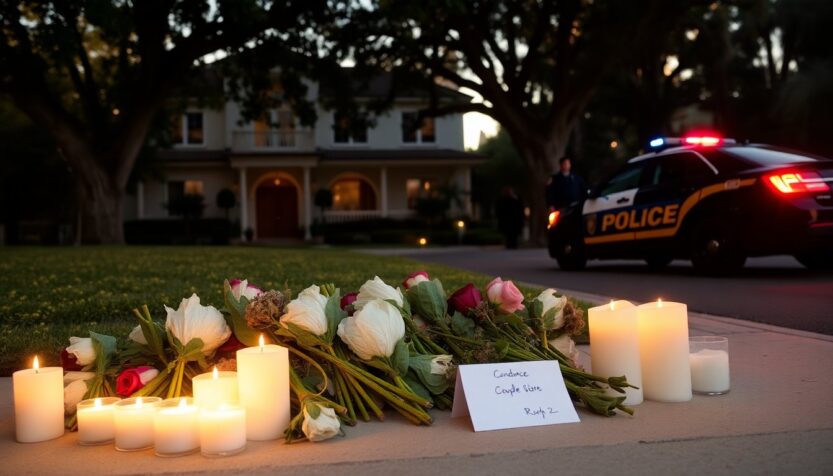
The film industry is grieving the loss of Rob Reiner and his wife Michele, who were found dead at their residence in Brentwood. Their son, Nick Reiner, faces serious allegations of murder and is currently held without bail. Authorities report that both parents suffered fatal stab wounds, prompting shock and sorrow throughout Hollywood.
Rob Reiner, a prominent filmmaker known for classics like The Princess Bride and When Harry Met Sally, enjoyed a celebrated career spanning decades. His collaborations with casting director Jane Jenkins yielded timeless films. Jenkins expressed heartfelt condolences, noting, “Rob and Michele were exceptional humanitarians; their legacy will endure despite this tragedy.”
Reflections on a family legacy
The tragic events surrounding the Reiners have led many in Hollywood to reflect on the family’s past, particularly their 2015 film Being Charlie. This semi-autobiographical drama addressed addiction challenges, mirroring Nick’s own struggles with substance abuse. The film featured Nick Robinson as Charlie, a young man grappling with addiction while his father, portrayed by Cary Elwes, navigates political ambitions. This narrative resonated with Nick’s real-life battles, having faced addiction from a young age.
In Being Charlie, the emotional distance between father and son is evident. A pivotal scene highlights this when David, the father, states, “I’d rather you hate me and you be alive,” reflecting the painful reality of tough love that Rob had to embrace. Nick’s journey toward sobriety began after years of struggling, with his first rehab stint at just 15 years old.
Unearthing painful truths
Rob often expressed regret for not trusting his instincts as a father. In interviews, he shared that he allowed expert opinions to overshadow his understanding of his son’s needs during Nick’s turbulent times. “We were desperate,” Rob admitted, acknowledging how their reliance on counselors led to misunderstandings about their son’s reality. Michele supported this view, revealing that they were misled into believing Nick was manipulative, which strained their relationship further.
While working on Being Charlie, both Rob and Nick confronted their shared history, a process that proved both painful and cathartic. Rob reflected on how the film forced them to relive their most difficult memories, stating, “It was very hard going through it the first time, and then making the movie dredged it all up again.” Despite conflicts during production, Nick noted that it became a defining experience for their relationship.
The dynamics of addiction
The Reiner family’s story highlights not only fame and success but also the harsh realities of addiction. Nick’s journey included multiple rehab visits, which led to episodes of homelessness, a situation he faced with brutal honesty. In interviews, he recounted, “If I wanted to do it my way and not go to the programs they were suggesting, then I had to be homeless,” underscoring the desperate choices he made in his fight for autonomy.
Addiction is often described as a disease impacting not just the individual but the entire family unit. The Reiners’ narrative emphasizes the delicate balance parents must maintain between assistance and enablement. Rob’s acknowledgment of his shortcomings as a parent reflects both his love for Nick and a painful recognition of the complexities surrounding addiction treatment.
Hollywood reacts to the tragedy
As news of Rob and Michele’s deaths spread, tributes came from friends and colleagues who admired the couple’s commitment to their son and humanitarian work. A close friend stated, “They did everything for Nick, dedicating their lives to his recovery, and to see it end this way is heartbreaking.” The family had been considering a conservatorship arrangement for Nick, illustrating the depth of their concern for his well-being.
The impact of Rob and Michele Reiner’s lives, both in cinema and as parents, will resonate for years. Their tragic deaths serve as a sobering reminder of the struggles many families face regarding addiction and the difficult choices often involved. The legacy they leave behind encompasses both artistic brilliance and a complex familial journey that continues to unfold.