
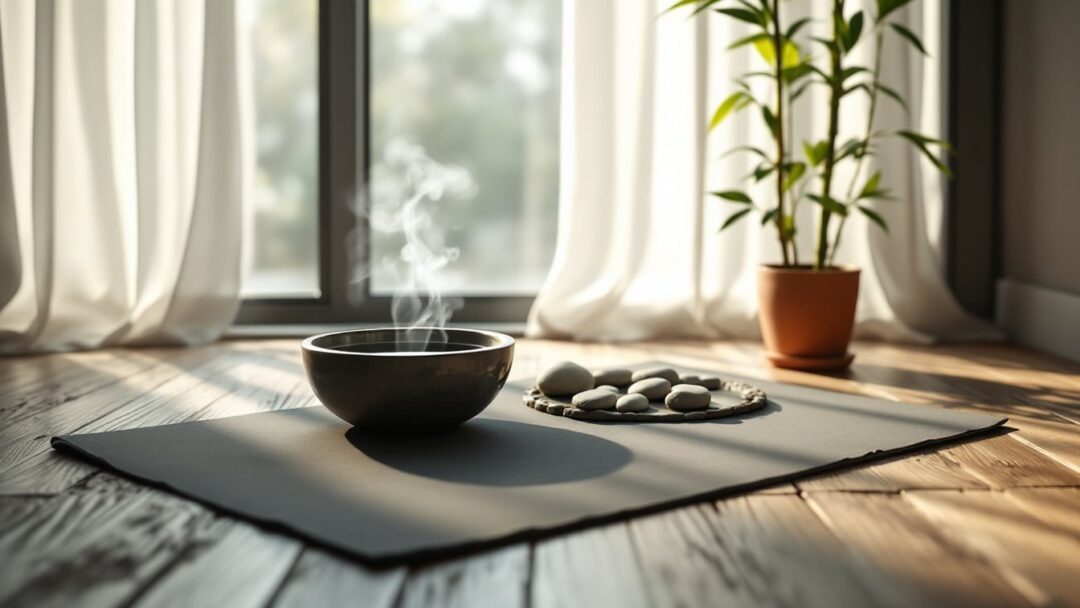
Wellness retreats have become increasingly popular in recent years, with many people seeking a holistic approach to health and wellbeing. But what exactly is a wellness retreat, and how can you ensure that you’re getting the most out of your experience? A wellness retreat is typically a residential program that offers a range of activities and therapies designed to promote physical, emotional, and mental wellbeing.
When evaluating a wellness retreat, it’s essential to look beyond the marketing claims and consider the scientific evidence supporting the various therapies and activities on offer. Some retreats may offer evidence-based treatments such as meditation, yoga, and cognitive-behavioral therapy, while others may promote more pseudoscientific practices such as detox rituals or unproven supplements.
Evaluating the effectiveness of wellness retreats
To get the most out of a wellness retreat, it’s crucial to approach the experience with a critical and open-minded attitude. This means being willing to try new things, but also being aware of the potential red flags such as unrealistic claims or unqualified practitioners. Some questions to ask when evaluating a wellness retreat include: What is the qualifications and experience of the staff and practitioners? What is the scientific evidence supporting the various therapies and activities on offer?
DIY at-home alternatives
While wellness retreats can be a great way to kickstart a health and wellbeing journey they’re not the only option. Many of the activities and therapies offered at retreats can be replicated at home, with a little creativity and motivation. Some DIY at-home alternatives to wellness retreats include mindfulness meditationyoga practice and journaling. These activities can be just as effective as those offered at a retreat, and can be tailored to suit your individual needs and preferences.
Safety considerations
When participating in a wellness retreat, it’s essential to prioritize your physical and emotional safety. This means being aware of any health concerns or medications that may interact with the activities or therapies on offer. It’s also important to research the retreat center and staff beforehand, and to read reviews from previous participants to get a sense of the quality and safety of the experience.


