



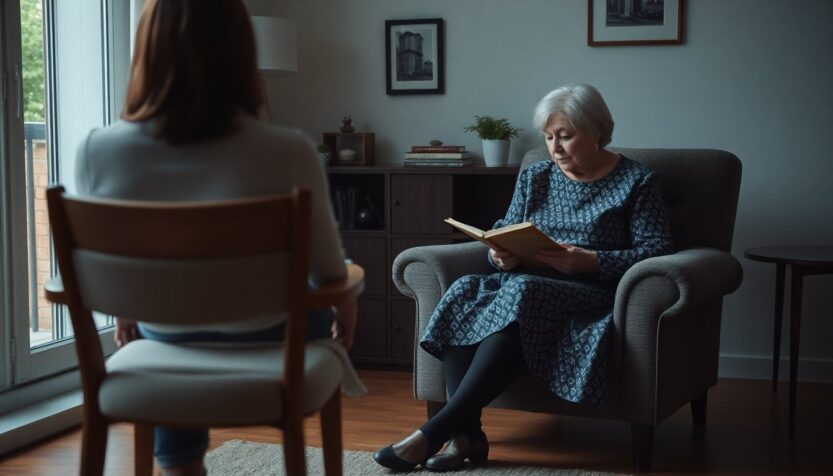
The transition into later life often brings both relief and a surprising ache. For many women, turning 60 can surface an unexpected form of sorrow: not the loss of a person or job, but the quiet mourning of a future that never unfolded. This piece explores that emotional landscape with compassion and clarity, offering practical ideas to acknowledge and work through this kind of life-stage grief. Understanding these feelings is the first step toward reclaiming energy, purpose, and joy.
Grief after 60 is not a sign of weakness; it is a natural response when long-held expectations change. In a culture of curated images and tidy narratives, the contrast between expectation and reality can feel stark. Recognizing that your sadness is valid allows you to replace self-criticism with self-compassion and to create a path forward grounded in emotional wellbeing rather than obligation. Below are structured ways to identify what you’re feeling and practical approaches to navigate this period.
Why this grief appears and what it really means
Many women reach this decade carrying plans shaped by family roles, career trajectories, and cultural scripts. When those scripts shift or never materialize, it can trigger a form of mourning for a life that was imagined but not lived. Think of this as a recalibration: a natural psychological process where expectations are updated to match current reality. The pain often hides beneath everyday activities—small disappointments that accumulate into a heavier sense of loss. Naming this reaction as grief gives it legitimacy and opens the door to intentional healing rather than avoidance.
How to recognize the relationships and habits that drain you
Grief often coexists with a sense of being weighed down by people or patterns that sap your energy. After sixty, time feels more precious, and tolerating relationships that diminish your peace becomes harder to justify. Identify the dynamics that trigger resentment or exhaustion: repeated boundary violations, friends who only appear in crisis, or relatives who dismiss your growth. Labeling these patterns as energy drains and acknowledging them as real can make it easier to choose change. Protecting your emotional resources is not selfish—it is an act of self-preservation and respect for the life you still have to shape.
Simple steps to set healthier boundaries
Begin with small, concrete actions that honor your need for calm and dignity. Practice saying no without long justifications, reduce contact with people who gossip or compete with you, and offer space instead of explanations. When family members push, use short, firm phrases to restate your limits. These boundary practices are forms of self-care that create room for restorative activities and relationships. Over time, consistent boundaries reshape social expectations and invite connections that feel reciprocal and nourishing.
Ways to rebuild meaning and choose joy
Letting go of relationships or roles that no longer fit creates empty spaces—spaces that can be filled with new forms of purpose. Consider exploring creative projects, volunteer roles, or small social groups that align with your interests. Reinvesting in passions may feel awkward at first, but it often leads to renewed energy and a softer inner life. Embrace the idea of curated living: intentionally selecting people and activities that enhance your days. This is a practical way to convert grief into fuel for growth and to reclaim agency in how you spend the next chapters.
Compassionate practices to ease the transition
Simple rituals can steady you while change unfolds. Daily practices such as journaling about what you miss and what you hope for, gentle movement, or short mindfulness exercises help regulate mood and build clarity. Reach out to the few friends who have shown up in hard times—these relationships are anchors. If grief feels overwhelming, professional support from a therapist experienced with later-life transitions can provide tools to process loss and plan forward. Remember: asking for help is a sign of strength, not failure.
Accepting grief after 60 does not mean surrendering to sadness forever. It means acknowledging that certain dreams changed and choosing to honor the life you can now create. By naming the loss, setting boundaries, and intentionally filling your days with nourishing pursuits, you can transform quiet mourning into a source of renewed clarity and joy. You have earned the right to curate who you spend time with and how you spend your energy—choose what adds beauty and meaning to your life.