



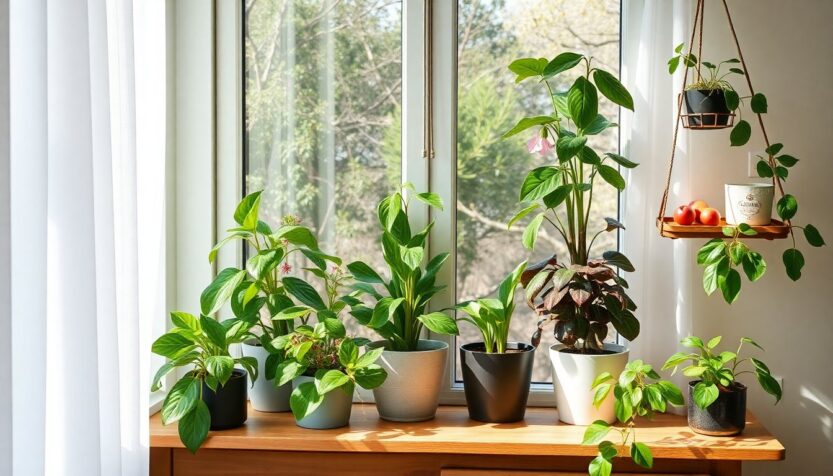
If you want a handful of houseplants that look extraordinary without becoming daily chores, these five picks deliver personality, texture and reward—whether you live in a sunny apartment, a shady office cubicle, or a balcony. Each entry below describes what the plant looks like, the conditions it prefers, and a few practical care tips so you can pick the right one for your space and schedule.
Congo cockatoo (Impatiens niamniamensis)
– What it looks like: Compact with glossy green leaves and flamboyant, parrot-shaped blooms that come in yellow, orange and red. The flowers are sculptural—almost like tiny tropical birds perched among the foliage.
– Best spot: Bright, indirect light; an east- or north-facing windowsill or a well-lit shelf.
– Care basics: Keep the potting mix consistently moist but never waterlogged. Protect from drafts and temperatures below roughly 60°F (15°C). Feed lightly during the growing season to encourage long flowering runs.
– Why you’ll like it: It repays attention with plentiful, showy blooms and is great for balconies or sunny indoor displays.
Pineapple plant (Ananas, a bromeliad)
– What it looks like: A rosette of stiff, architectural leaves that occasionally produces an ornamental flower spike and, with patience, a small pineapple fruit on dwarf varieties.
– Best spot: Bright, indirect light—too much direct midday sun can scorch the leaves.
– Care basics: Allow the soil to dry a bit between waterings; bromeliads are tolerant of average indoor humidity. Feed sparingly; many are content with a light monthly feed during active growth. You can propagate by removing pups (offsets) that appear after flowering.
– Why you’ll like it: It’s a conversation piece—a tropical silhouette that’s both decorative and potentially rewarding if you try to coax fruit.
Nerve plant (Fittonia)
– What it looks like: Delicate, low-growing foliage with striking vein patterns—typically white, pink or red veins against deep green leaves.
– Best spot: Low to medium light; an ideal choice for terrariums, bathrooms with bright windows, or shaded shelves.
– Care basics: Fittonia dislikes drying out; it wilts quickly when thirsty but perks up after a thorough drink. Keep soil evenly moist and increase humidity with misting or a pebble tray. Avoid heavy, compacted mixes.
– Why you’ll like it: It’s dramatic in miniature arrangements and responds visibly to care—which is satisfying if you enjoy hands-on gardening.
Living stones (Lithops)
– What it looks like: Small, stone-like succulents that resemble pebbles in color and pattern—greys, greens, browns and even warm orange tones—perfect for tight spaces or rock gardens in containers.
– Best spot: Bright, strong light; a sunny windowsill is ideal.
– Care basics: They need very little water in winter and only moderate watering in spring when they’re actively growing. Use a well-draining, gritty mix and rotate the pot for even growth.
– Why you’ll like it: Lithops are sculptural, minimal-maintenance plants for people who prefer a more hands-off approach or who want a striking focal point with tiny footprint.
Coffee plant (Coffea arabica)
– What it looks like: Glossy, evergreen leaves and fragrant, star-shaped white blossoms that later form red cherry-like fruits containing coffee beans.
– Best spot: Bright, indirect light and steady indoor temperatures; avoid direct afternoon sun.
– Care basics: Keep soil evenly moist but well-draining, and mist occasionally to curb brown leaf tips. It’s a patient plant—years may pass before you see fruit. Note: coffee plants are toxic to pets, so keep them away from curious cats and dogs.
– Why you’ll like it: Beyond the ornamental value of its foliage and flowers, it’s a satisfying long-term project for hobby growers who enjoy nurturing a slow-blooming specimen.
A few final notes on choosing and caring
– Match plant to conditions: Light, humidity and how often you want to tend your plants should guide your choices. Lithops and pineapples tolerate dryer intervals; fittonia and the Congo cockatoo do better with consistent moisture and higher humidity.
– Propagation and lifespan: Bromeliads and many houseplants produce pups or offsets that are easy to propagate. Some plants (like many bromeliads) fruit once and then decline, but their pups carry the lineage on.
– Responsibility and sourcing: Buy from reputable nurseries and avoid wild-collected specimens of at-risk species. If you keep animals or protected species, check local rules—permits and documentation may be required.
– Why bring them home: Beyond decoration, indoor plants can make rooms feel calmer and more vibrant; many people report improved mood and focus when living with greenery.
If you want, tell me which light conditions and how much time you can commit each week, and I’ll recommend the best one or two choices for your space.