



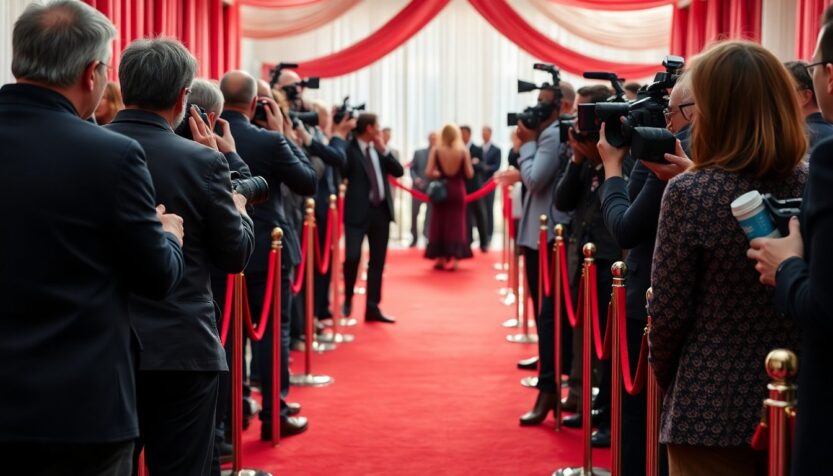
The modern red carpet feels different. Where once there was a near-constant din of shouted prompts and elbowed cameras, recent events have shown a quieter, more measured atmosphere. A striking moment came when actor Michael B. Jordan turned a corner at an Academy Awards nominees luncheon and found photographers waiting politely instead of clamoring for attention; he laughed that the silence was “throwing me off.” At another high-profile event — the Grammys on February 1 — singer Sabrina Carpenter remarked on the unusually well-behaved photographers, crediting a cultural ripple started by artists like Chappell Roan. These anecdotes point to a broader shift in how talent and lens operators interact on the carpet.
Who changed the rules: artists, demographics and expectations
Some credit outspoken performers such as Chappell Roan with calling out aggressive tactics; Roan’s confrontations at the 2026 VMAs and at Olivia Rodrigo’s Guts tour carpet became emblematic of a new intolerance for harassment. Yet the transformation is systemic. Publicists and industry veterans describe a recalibration: there’s less tolerance for the objectification and baiting that used to be normalized. Younger stars — many from Gen Z — simply will not accept attention-garnering abuse. Even established figures have their boundaries: industry lore holds that Samuel L. Jackson will walk off a carpet if shouted at, teaching others to stay silent when he arrives. The result is a red carpet where mutual respect increasingly trumps competition.
The pandemic and a changing workforce
The pause in live events during the pandemic was a reset for the profession. Many who left the industry did not return, opening space for new photographers and different working styles. At the same time, the makeup of the pits shifted: agencies like Getty report roughly half their roster is now female. That demographic change has had practical effects; female photographers describe colleagues helping talent with wardrobe or makeup issues, creating a cooperative energy rather than a combative one. However, parity does not eliminate toxicity: some of the most abrasive behavior has come from women trying to match a hard-edged norm set by previous generations. Still, overall pressure to be more considerate has reshaped how many industry professionals operate.
Technology and social platforms rewrote the incentives
The advent of social media changed what outlets want from events and how stars manage their own images. Where crowds of 60–75 photographers once packed a Grammys photo pit, now a smaller group often remains while back rows are taken by social media teams capturing vertical video and behind-the-scenes footage. Those teams favor a fly-on-the-wall approach over aggressive prompting. Meanwhile, talent can post their red-carpet looks themselves, reducing the exclusivity of the official shot. Yet brands — designers and jewelers — still prize the international reach of polished red-carpet photography, so those images retain commercial value. The new reality is a split ecosystem: real-time, raw social content sits alongside curated, agency-supplied photos.
Viral accountability and its effects
Social platforms also changed the stakes for bad behavior. Photographers who shout or mock are now at risk of being recorded and publicly shamed. A notable example occurred at the 2026 Met Gala, when a livestream captured photographers mocking K-Pop group Stray Kids; the clip went viral and prompted fan-led online backlash, including doxxing and hacking. Such incidents underscore that missteps on the carpet can quickly escalate into career-threatening controversies. Many photographers acknowledge this new accountability, advising younger colleagues to avoid confrontational tactics: “If you like your job, you like what you’re doing, just shut your mouth and do it,” as one veteran put it.
How professionals adapt: strategy over shouting
With the environment changing, some photographers have shifted tactics. Instead of competing through volume and force, they cultivate rapport and aim for natural reactions — a joke, a personable comment, or a playful prompt that earns a genuine look to camera. This approach takes more creativity and emotional intelligence, and not every photographer can or will adapt. Yet where mutual respect exists between the subject, publicists and the lens, carpets run more smoothly and talent linger longer, producing better images. Exceptions remain at festivals like Cannes and large-scale galas where photographers line both sides of the carpet and competing calls can still escalate; even there, industry leaders emphasize that escalation should not cross into abusive territory.
Looking ahead
The trend toward calmer red carpets appears durable. Driven by outspoken talent, demographic shifts among photographers, and the omnipresence of social media, the old free-for-all model is giving way to a more collaborative process. For photographers who want to thrive, the lesson is clear: adapt your approach, build relationships, and respect the people you photograph. For brands and publicists, maintaining that mutual respect ensures the images that matter most — the official red-carpet shots — keep their power. In short, the carpet is not quieter because interest waned; it is quieter because the rules of engagement have evolved.