



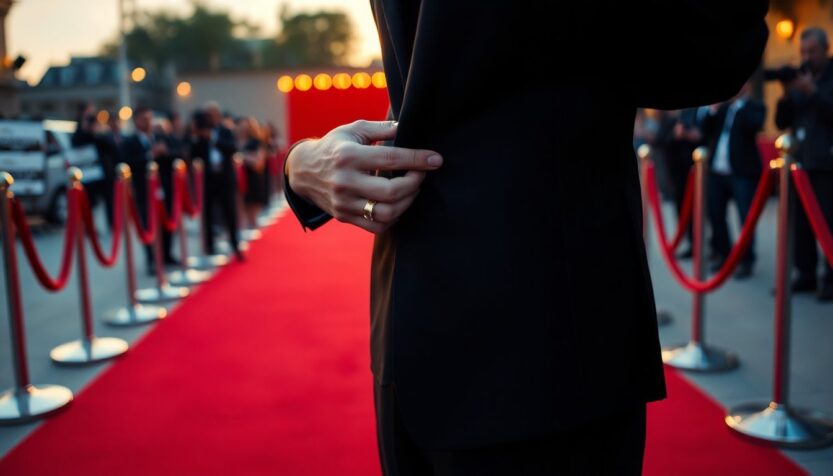
The relationship between celebrities, fashion houses, and the teams that dress them is in motion. After years when brands and celebrity stylists coordinated placements like clockwork, a quieter but meaningful countercurrent has emerged: a group of actors and musicians are choosing to steer their own looks, signaling what many are calling a no-stylist movement. This shift does not erase the influence of established stylists or luxury houses, but it does change who controls creative decisions and how brands build cultural momentum on the red carpet.
Recent awards seasons illustrated this tension clearly. Chanel—long associated with classic French elegance—re-entered headlines by supporting daring public figures and benefiting from high-visibility wins. For context, the last time an Oscar winner accepted in Chanel before this season was Julianne Moore in 2015. Since then, other maisons have dominated: Louis Vuitton dressed four winners, Valentino dressed three, Dior and Armani Privé dressed two apiece, and Saint Laurent, Gucci, Prada, and Dolce & Gabbana each dressed one. In 2026, Jessie Buckley wore Chanel to an Oscar victory, while Chanel’s collaboration with Teyana Taylor across runway shows and awards events became emblematic of a deliberate strategy to reposition the house.
The rise of self-styling and what it means
A number of emerging talents now curate their own red-carpet narratives. Teyana Taylor has publicly taken the lead on many of her signature moments, working with collaborators who are credited as creative directors while retaining final say. Odessa A’zion and others on the ascent have also opted to guide their wardrobe choices directly. This trend is less a rejection of stylists than a recalibration: stars are asserting authorship over the way their images are built and presented, seeking authenticity and a closer alignment between personal taste and public persona. The outcome gives celebrities a distinct voice in fashion conversations rather than being a canvas for someone else’s concept.
Why houses still invest in celebrity placement
Luxury brands continue to view celebrities as the most efficient engine for mainstream allure. The red carpet remains a highly visible marketing channel where one iconic look can reverberate through social feeds, retail interest, and press. Creative turnovers at top houses—such as Jonathan Anderson at Dior, Matthieu Blazy at Chanel, and Demna at Gucci—created renewed urgency to secure influential faces, especially as designers debut new collections. VIP relationships are now engineered with precision: contracts, bespoke events, and carefully choreographed appearances replace ad-hoc dressing taken for granted decades ago.
VIP relations and the celebrity whisperers
Behind these placements are specialists who negotiate and cultivate access. Michael Giugliano, for example, runs VIP relations that shepherded key placements for Chanel; other high-profile stylists act as intermediaries between talent and maisons. The contemporary stylist does much more than assemble an outfit—they are strategy partners, brand negotiators, and in many cases, public-facing architects of an artist’s image. As fashion conglomerates like LVMH and Kering consolidate control of luxury labels, the role of these intermediaries has grown in complexity and contractual weight.
The future: hybrid partnerships rather than wholesale abandonment
Although some talent are embracing self-styling, the consensus from industry veterans is that stylists will not disappear. Experts note that the best long-term creative relationships resemble the deep bonds stars have with agents or publicists: mutual trust, long-term collaboration, and shared strategic goals. Zendaya and Law Roach are often cited as the archetype of such a synergistic pairing, where both parties operate as a unified public entity. The likely next phase is a more diversified landscape: some celebrities will continue to rely on full-time stylists, others will collaborate sporadically while retaining creative control, and a few will forge formal partnerships that blur the line between client and co-creator.
What brands and audiences pick up on
From a brand’s perspective, the question is which approach best amplifies cultural relevance. A house can reach new audiences by backing a daring, nontraditional star who self-directs her image, or it can achieve steadier visibility through long-term ambassador contracts. For audiences, authenticity is often the currency: whether a look feels imposed or self-authored can influence how a celebrity’s style resonates. Ultimately, the interplay between self-styling and traditional stylist relationships reshapes power dynamics but keeps the stakes the same—visibility, cultural impact, and the ability to shape fashion narratives.
The story unfolding now is not one of elimination but evolution. As awards seasons and runway debuts cycle through, expect more hybrid models and novel alliances that reflect both corporate strategy and individual agency. The red carpet will remain a stage for spectacle, but increasingly it will be a place where celebrities assert authorship, and where stylists and brands adapt to being collaborators in a more plural creative ecosystem.