
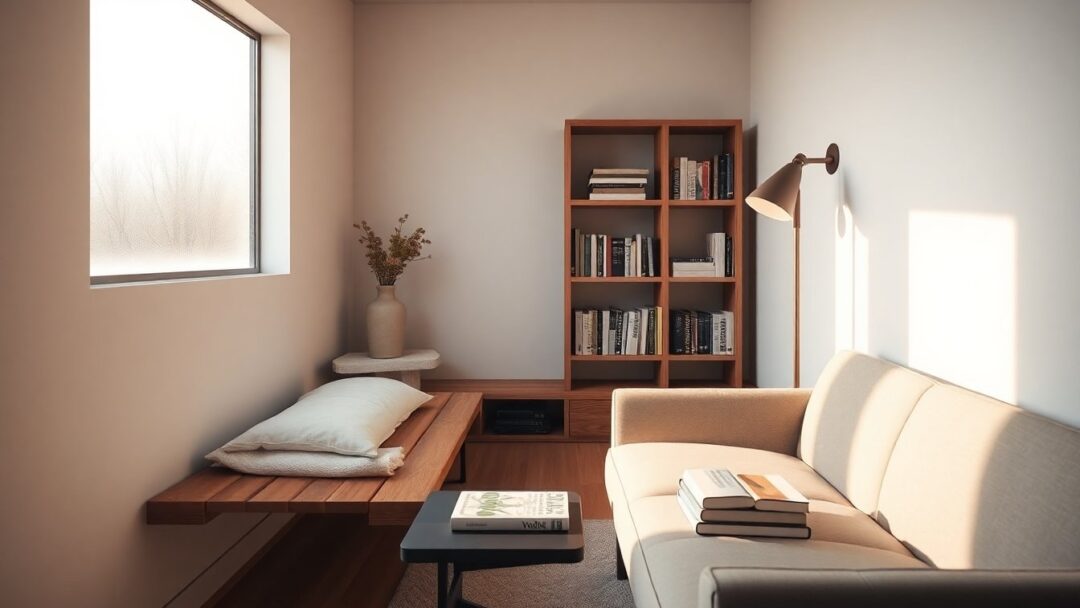
As we approach the latter stages of life, the idea of downsizing often comes to the forefront. It’s not just about finding a smaller space, but about creating a home that aligns with our current lifestyle and energy levels. For many, this journey leads to the consideration of tiny homes.
The initial reaction to tiny homes is often met with skepticism. The question, “Could I really live in something that small?” is a common one. However, this perspective is rooted in the traditional belief that more space equates to more comfort. But what if the focus shifted from size to functionality and intentional living?
Rethinking Space and Comfort
For decades, we’ve been conditioned to measure homes by their square footage. A 2,500-square-foot home may sound impressive, but does it truly offer more comfort? A larger home can feel crowded if the layout is poor or if the extra space is filled with clutter. On the other hand, a well-planned smaller home such as a 399-square-foot park model or a 500-square-foot tiny home, can feel peaceful and efficient.
The key is to ask, “Does this space fit the way I want to live now?” rather than focusing solely on size. Tiny living is not about giving up everything you love. It’s about choosing what truly matters and bringing those elements into your home.
Multifunctional Spaces: A New Way of Living
In traditional homes, each room often has a single purpose. However, in a tiny home, spaces are designed to work harder and serve multiple functions. A dining table can double as a desk, a guest bed can be a sofa, and a kitchen island can serve as a prep space, eating area, and mail drop zone. This multifunctional approach can be seen as a compromise, but it can also be a smart and efficient way to live.
Many people already live this way without realizing it. Consider the formal dining room used twice a year or the extra bedroom that serves as storage. A tiny home simply makes you more conscious of how you use your space. It encourages you to ask, “What do I want close to me every day?” rather than “How much can I squeeze in?“
Storage Solutions: Making the Most of Limited Space
The primary concern when considering a tiny home is often storage. How will you fit all your belongings into such a small space? The answer lies in creative and practical storage solutions. Look for built-in storage, under-bed storage, and outdoor storage options. Ask where the vacuum, luggage, and Christmas tree will go. Practicality is key to making a tiny home work for you.
It’s important to note that tiny homes are not one-size-fits-all. Some people may prefer a tiny home on wheels, while others may feel more comfortable in a park model, small cottage, condo, or an accessory dwelling unit in a family member’s backyard. The goal is not to win a tiny home contest but to create a home that supports your life now.
Before deciding if a tiny home is too small, walk through your current home like a detective. Notice where you actually spend your time. Ask yourself, “What parts of my current home do I actually use every day?” “What spaces do I maintain but rarely enjoy?” “What items would I miss if they were gone?” “What do I keep because I love it, and what do I keep because I feel guilty?” “What would feel easier in a smaller home?“
These questions can provide valuable insights and help you make a more informed decision. Remember, enough is a powerful word. A tiny home is not for everyone, but for those who embrace it, it can offer fewer rooms to clean, fewer repairs to manage, and more time, freedom, and breathing room.
A tiny home may be too small for your old life, but it might be just right for the life you are trying to build now. It’s not about fitting your whole past into this space but about supporting the next version of your life.


