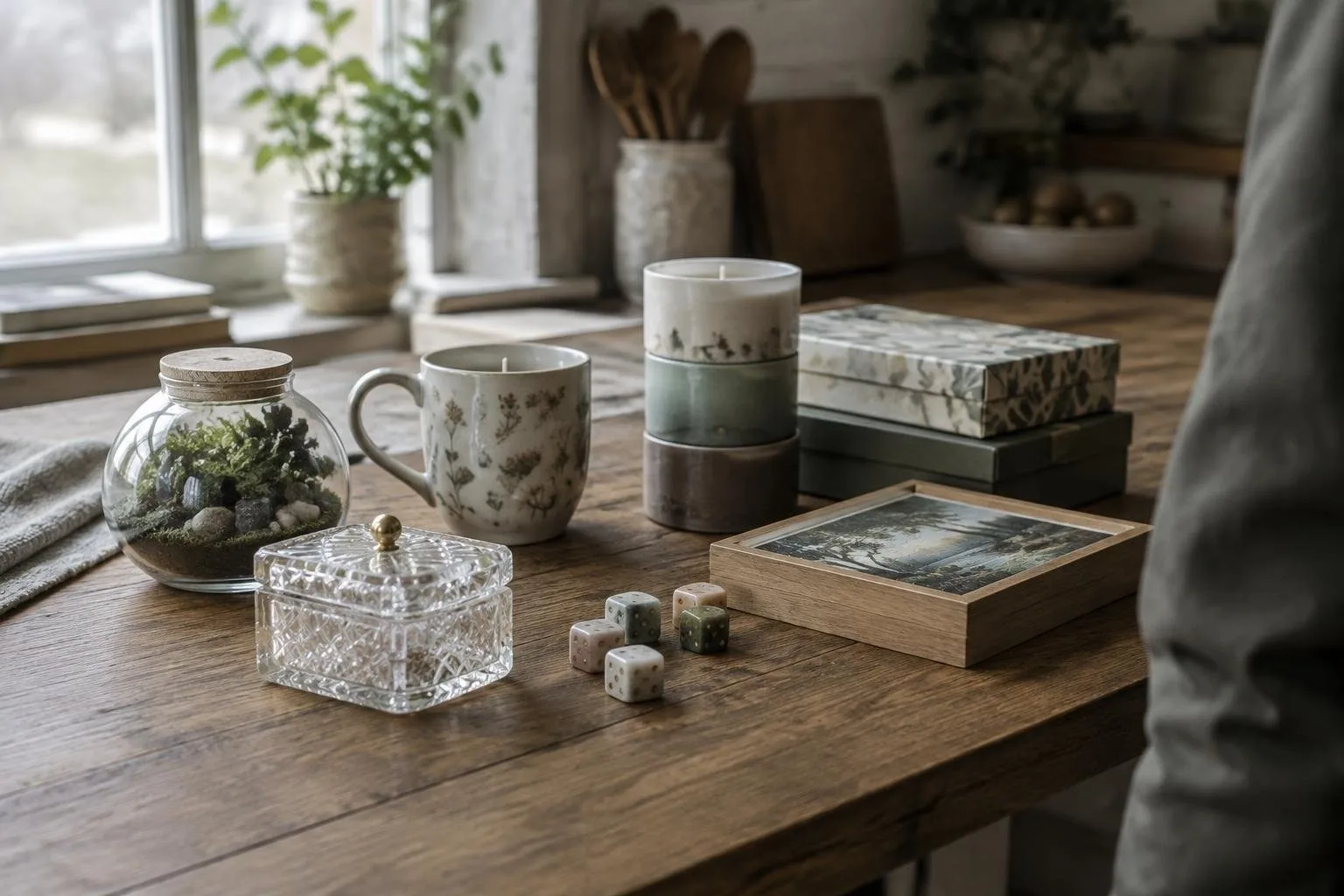
She lingered in front of a modest display of art supplies: a small watercolor set, a few brushes, a pad of paper. The price tag was modest, the items unremarkable, yet she set them down, stared, and lifted them again. The hesitation was not about cost; it was a quiet question: what will I actually do with these?
When productivity becomes the default mindset
For most adults, the calendar fills with tasks that have clear outcomes: paying bills, fixing a leaky faucet, filing paperwork, or running errands. Those responsibilities become a filter through which every new activity is judged. Even leisure pursuits are weighed against potential returns: exercise for health, reading for knowledge, gardening for a tidy yard. The subtle rule that develops is: everything should serve a purpose. Rarely does a moment arise simply because it feels good, without a measurable benefit.
Remembering the joys that once came without agenda
Look back to the teenage years that most of us recall: dancing in a bedroom, sketching until the pencil ran out, playing an instrument for the sheer love of sound. Those endeavors required no deadline, no audience, no certification. Over time, life added layers (children, careers, house maintenance) pushing those carefree activities into the background. The memory of the joy they provided often dims, replaced by an internal checklist of “what must be done”.
The myth of needing mastery before enjoyment
Many assume that to start a new hobby one must first achieve a certain skill level. Should you take lessons before painting? Publish a story before writing? Bake a masterpiece before experimenting in the kitchen? This self-imposed benchmark turns a spontaneous pleasure into another performance review. Children illustrate the opposite: they color with crayons without expecting a gallery showing. Embracing imperfection allows the activity itself to become the reward, not the result.
A practical way to reclaim play
Set aside a single hour each week for a task that exists only because you want to do it. No commitment to continue, no expectation of excellence. Whether you dust off a sketchpad, hum a favorite song, or wander a new street, the goal is to experience pleasure without attaching a purpose. The outcome may be a laugh at a messy watercolor, a realization that the activity no longer interests you, or simply a satisfying pause in a busy day.
Integrating curiosity into everyday life
Financial constraints, health issues, or caregiving duties can limit how much money you can spend on hobbies, but they rarely limit the ability to grant yourself permission to enjoy small moments. Listening to a beloved album, watching birds from a window, or sharing a humorous memory with an old friend are all low-cost ways to nurture the same curiosity that once inspired teenage experiments. By deliberately carving out space for such experiences, you remind yourself that life’s value is not measured solely by completed tasks.