

The weekend surrounding the annual White House Correspondents’ Association Dinner has become a test of contrasts. On one hand, the current administration has reshaped federal policy on gender, rolling back or restricting certain supports for LGBTQ+ communities—actions that include redefining gender as assigned at birth, narrowing crisis services targeted to LGBTQ+ people, removing references to LGBTQ+ life from some government resources, and questioning or cutting research that uses the word ‘transgender’. Those policy moves have altered how advocacy groups and businesses that serve queer communities approach engagement in Washington.
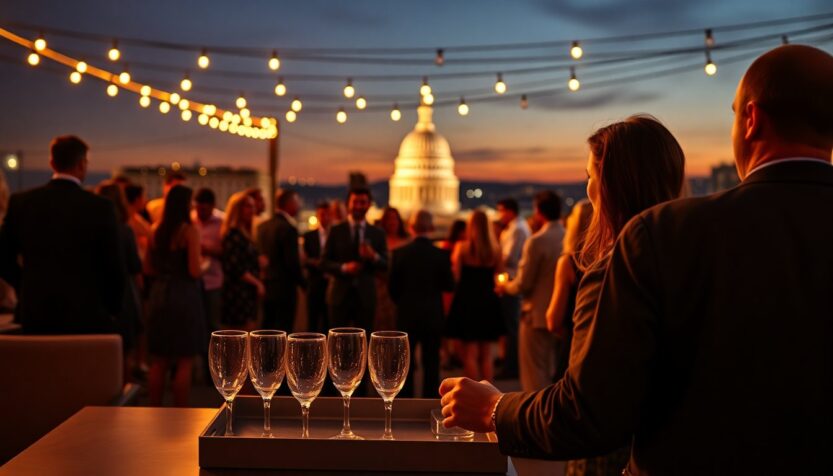
Against that backdrop, a party hosted by Grindr at a private Georgetown estate has emerged as one of the most talked-about events of the weekend. The invitation list and chatter among DC insiders suggest curiosity—and in some corners, skepticism—about a company best known for facilitating local connections stepping into the capital’s policy theater. Executives frame the gathering as both social and strategic: a space to meet users, partners, and policymakers while also announcing a more formal public affairs posture.
Reframing a dating app as a civic actor
Grindr has been explicit about changing its public identity. The company now describes itself as the world’s largest social networking app for gay, bi, trans, and queer people, and emphasizes a user base of roughly 15 million globally. Behind the scenes, it built a government affairs operation about a year ago and has since reported about $1.6 million in related lobbying activity. Those resources target issues like online safety, privacy, and public health outreach—areas where an app with broad reach can claim both responsibility and influence.
Policy priorities and partnerships
On policy, Grindr has engaged lawmakers on proposals such as the App Store Accountability Act, which would shift age verification responsibilities from individual apps to app stores, as well as on public health initiatives focused on HIV prevention and global outreach. The company says it has approached agencies like the State Department to help disseminate health information rather than to request funding. Domestically, advocacy has extended into family-building policies, including efforts to ease access to reproductive technologies for same-sex couples. Those moves position the company as an actor in both tech regulation and social policy.
Fundraising, access, and the people behind the push
The public affairs strategy is guided by figures who know Capitol Hill. Joe Hack, head of government affairs and a former aide to Sen. Deb Fischer (R-NE), has been charged with translating Grindr’s product-centered identity into the language of access and influence. Grindr’s CEO, George Arison, appointed in 2026, has overseen the push to present the company as a larger lifestyle and policy-minded brand. Under their direction, Grindr has facilitated political fundraising: a lunch that raised roughly $25,000 for Sen. Susan Collins in September 2026 and plans for another fundraiser in June for Sen. Tammy Baldwin. These activities aim to build relationships across the aisle.
Reputation risks and surgical outreach
Grindr’s leadership faces scrutiny tied to past affiliations and statements. The company’s ownership history included a forced sale of its Chinese parent on national security grounds prior to Arison’s tenure, and some of Arison’s earlier social posts expressing conservative sympathies provoked user backlash. Still, executives say their approach has been deliberate and discreet: establish credibility through targeted advocacy and then step into the spotlight. The weekend party is being treated as a public reveal after a period of quiet work.
Why attendance matters in today’s Washington
The optics of who shows up at the Grindr event are consequential. In a political climate where LGBTQ+ rights are contested and rhetoric about ‘woke’ culture carries weight, the presence of elected officials or high-ranking administration figures would signal a particular kind of accommodation. Invitations reportedly went to senior figures such as Treasury Secretary Scott Bessent and established conservatives who have engaged on LGBTQ+ issues like Richard Grenell, though responses remain uncertain. The stakes are both symbolic and strategic: even modest bipartisan participation would indicate that a platform like Grindr can convene stakeholders across political divides.
For now, the party sits at the intersection of social life and public affairs. Whether it becomes a routine example of platform politics in the capital—or a one-off curiosity—will depend on the company’s ability to convert weekend visibility into sustained policy partnerships while navigating the controversies that inevitably accompany Washington engagement.