
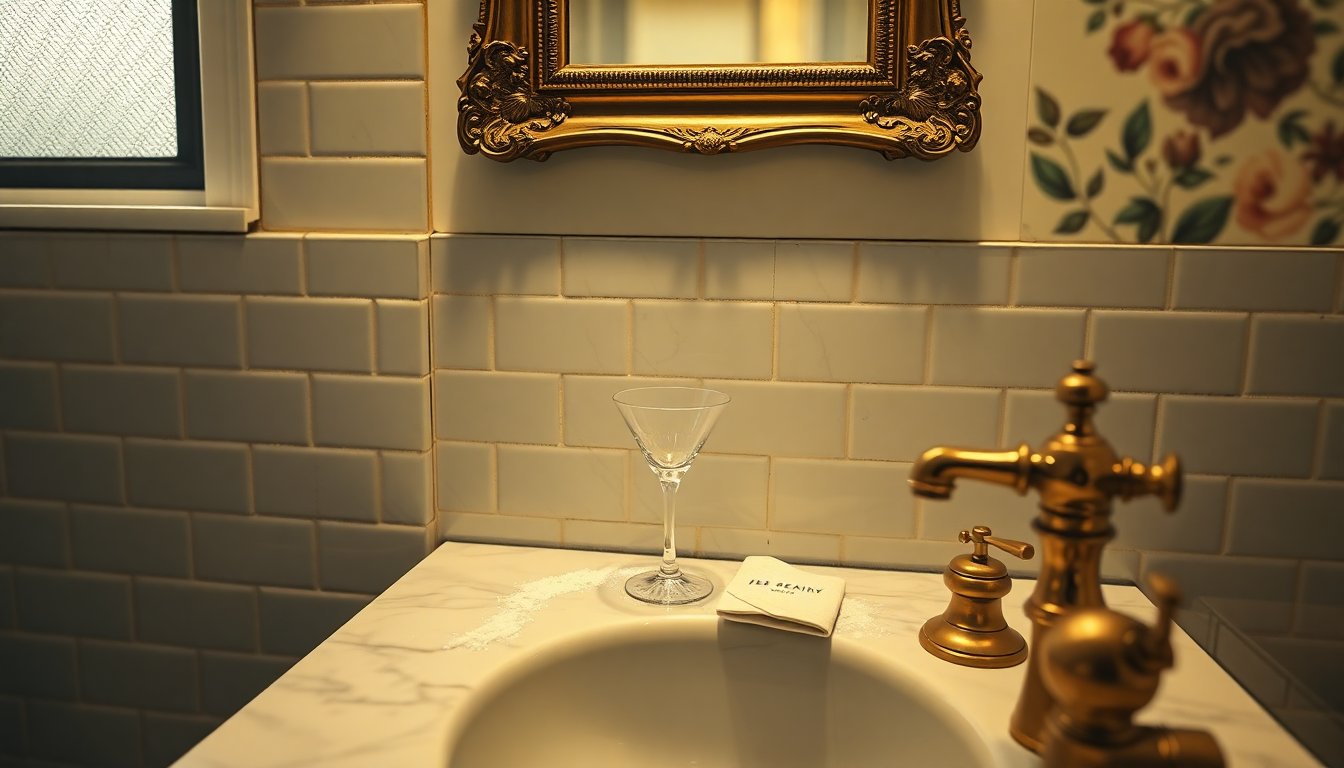
The bustle of a busy restaurant can hide a lot: clinking glasses, shouted orders, and the constant choreography of staff and diners. At Cecchi’s, Michael Cecchi-Azzolina curated an atmosphere that mixed flirtation and nostalgia, with large Jazz Age murals by Jean-Pierre Villafañe and a tongue-in-cheek framed Time magazine cover from July 6, 1981 perched in the restroom. That cover, famous for a martini glass filled with a mound of white powder beneath the headline “High on Cocaine,” functioned as a wink at a particular New York nightlife era and as a small, provocative piece of the restaurant’s identity. The image served as a playful reminder of old downtown lore and a conversation starter for customers.
One morning after service—or possibly a day or two later—the framed cocaine cover was gone. The maître d’ alerted Cecchi-Azzolina, who shrugged off involving law enforcement, believing the New York Police Department had larger matters to tackle. There were no security cameras in the bathroom and the exterior footage was too grainy to identify anyone. The loss felt less like a major burglary and more like a petty, strangely intimate theft: one that stole a memory rather than a high-priced artwork. Still, for an owner who had hung the piece intentionally, the absence cut deeper than its market value.
The missing piece and how it likely left the wall
Staff memories and patrons’ behavior formed the only clues. Some staff pointed to a woman carrying an oversized bag; others suspected a group of loud men who kept disappearing to the restroom. In hospitality, small pilferages are an everyday nuisance—an attractive ashtray, toiletries, or souvenir pens can evaporate after one evening. Observers call this tendency status archaeology, the idea that taking a physical token proves you were present in a desirable place. The phenomenon isn’t limited to dive bars: Vanity Fair parties see bathroom freebies vanish and luxury hotels’ branded items routinely surface on resale sites. Within that context, the stolen Time magazine cover felt like a familiar loss: identifiable, infuriating, and oddly emblematic of nightlife entitlement.
Who might take a framed magazine?
Suspicions at Cecchi’s trended toward opportunism rather than a premeditated art theft. The frame was small enough to conceal and light enough to carry out quietly. On a night when service is chaotic and attention is diverted, determined guests can slip an object into a bag and leave without notice. For owners, this is a frustrating reality because such items are installed for atmosphere, not disappearance. The absence of CCTV inside restrooms and the murky footage outside meant no definitive lead emerged; instead, the narrative of the missing cover became a kind of modern parable about metropolitan nightlife and ownership.
Why that particular cover mattered to Cecchi-Azzolina
This framed cover carried more than decorative value: it linked to a chapter in Michael Cecchi-Azzolina‘s life and his memoir Your Table Is Ready: Tales of a New York City Maître D’. When Time editor Sam Jacobs dined at Cecchi’s after the restaurant opened in 2026, he recognized that connection and sent a tear of the original cover as a gift. The photograph of the martini glass became a kind of talisman, evoking the era described in the book and a downtown nightlife that Cecchi-Azzolina both lived and chronicled. That personal backstory is why the loss felt like the disappearance of a story fragment, not merely an object to be replaced by another copy from an online marketplace.
How the community responded and the eventual replacement
After Cecchi-Azzolina posted an emotional plea on Instagram asking for the cover’s return—promising no questions and offering only the request for its safe comeback—regulars and admirers rallied. Multiple people sourced copies: artist Rubeen Salem, a bar regular, a reader in Germany who appreciated the memoir, and Emmet McDermott of People’s lounge all tracked down replacements. McDermott, who had frequented Cecchi’s during People’s construction and admired the cheeky decor, purchased a copy and sent it along. Cecchi-Azzolina received the donations moved to tears, and one of the new covers was securely mounted—now bolted to the wall—after an earlier attempted rip-off left visible pry marks.
The episode resonates beyond the quirky theft: it underscores how objects in social spaces accrue sentimental value and how communities can respond when something meaningful disappears. Online marketplaces like eBay make it easy to find vintage swag—hotel pens, towel collections, and even magazine covers—but the story at Cecchi’s reveals the emotional stakes involved when a piece linked to memory and identity vanishes. As Cecchi-Azzolina noted while pointing to the marks near the replacement, someone had already tried to pull it free again—proof that in nightlife, small dramas continue to play out between laughter, cocktails, and the echo of footsteps down the hallway.


