

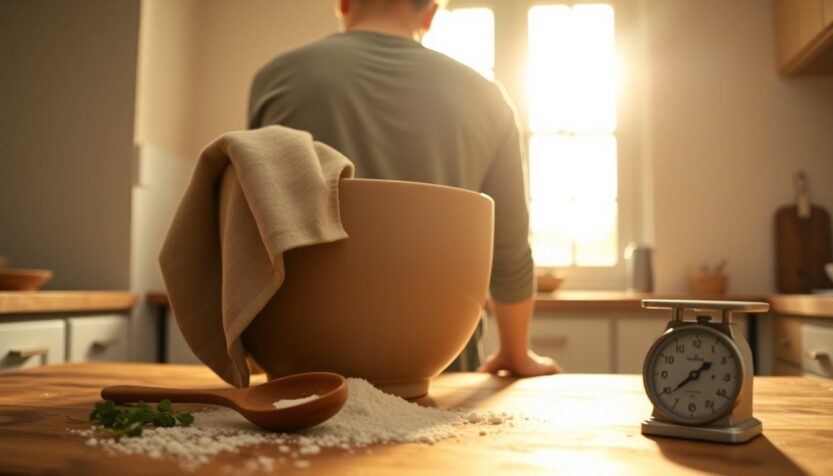
I used to think of myself primarily as a baker: someone who thrived on exact timings and precise measurements. Over time that identity loosened as I discovered a different pleasure in the kitchen. Instead of scaling ingredients to the gram and watching clocks, I began to enjoy the freedom of adding components by eye and refining flavors through tasting. That shift turned measurement from an end in itself into a tool, and it helped me embrace intuitive cooking as an approachable practice. In this piece I describe how slowing down, choosing enjoyable methods, and a few small habits reshaped my role at home.
My transition also changed how other people in my household interacted with food. I find myself more often watching than orchestrating dinners, a self-appointed spectator who steps in when needed. I can reliably produce a handful of dishes well, while my partner happily takes on feeding the family more frequently. That division suits us: I savor tasting and finishing, they enjoy the daily preparation. Yet my identity still contains echoes of the precise baker I was, so there are moments when I revert to strict techniques or measure obsessively—especially if a recipe feels like a scientific experiment.
Why slowing down mattered
The moment I decided to stop rushing dinner was transformative. Previously I rushed to get food on the table, treating cooking like an urgent task rather than a process. When I intentionally slowed my pace, the experience shifted from chore to pleasure: chopping felt less frantic, aromas registered more clearly, and simple adjustments became possible. Embracing a slower rhythm also made room for tasting throughout, which improved final flavors and reduced stress. This isn’t about cooking longer; it’s about making deliberate choices during the same time, letting small pauses inform seasoning and timing so meals feel more balanced and enjoyable.
From rules to useful routines
Part of that calm came from adopting methods I actually liked. Cooking offers many ways to achieve the same outcome, and I stopped worrying about the theoretically “best” technique. For instance, there are numerous approaches to prep garlic, but I choose the one that suits my hands and cleanup preferences: very thin slices with a razor-sharp knife. That routine reduces time spent washing tools and makes the aroma sing without extra effort. By prioritizing pleasurable methods I created a set of dependable habits that replaced anxious perfectionism with comfortable competence, turning technique into a friend rather than a dictator.
Roles at home: spectator, scientist, takeout scout
At home I wear several hats. Often I’m the amused observer and chief taster, popping in to sample and offer a tweak. Sometimes I jokingly imagine a chef holding a takeout menu, because takeout remains a sensible, communal fallback. Other times my inner scientist emerges: I find it difficult to resist exact measurements and precise scraping when I’m testing or refining a dish. That tendency surfaces as a near-compulsive attention to detail—picture organic chemistry titrations translated into spoonfuls and spatulas. Both approaches coexist: relaxed intuition for everyday meals, and measured diligence when recreating or improving a specific recipe.
Family dynamics and humor
There’s also a playful side to our domestic food story. I make a modest roster of favorite dishes while my partner often takes the lead in feeding the household, a division that works because we both enjoy different aspects. Meanwhile my teens offer candid feedback—some meals meet approval, many do not. I laugh and admit that I’ve been churning out food my kids won’t eat since 2007, a personal running joke that keeps things light. That long arc reminds me that food is as much about relationships and patience as it is about flavor or technique.
Small habits that changed everything
Practical tweaks helped cement the change. I started mentally adding a little extra to spice measures—a heaping teaspoon instead of a level one—and the dishes became more satisfying to my palate. I also embraced cleanup-friendly tools and trimmed steps that never added enough flavor to justify the effort. These modest adjustments encouraged experimentation; dumping ingredients and tasting as I went felt more fun than rigid measuring. The result is a kitchen where creativity and practicality coexist: I enjoy the process, contribute meaningfully, and still return to precise methods when the situation calls for them.