
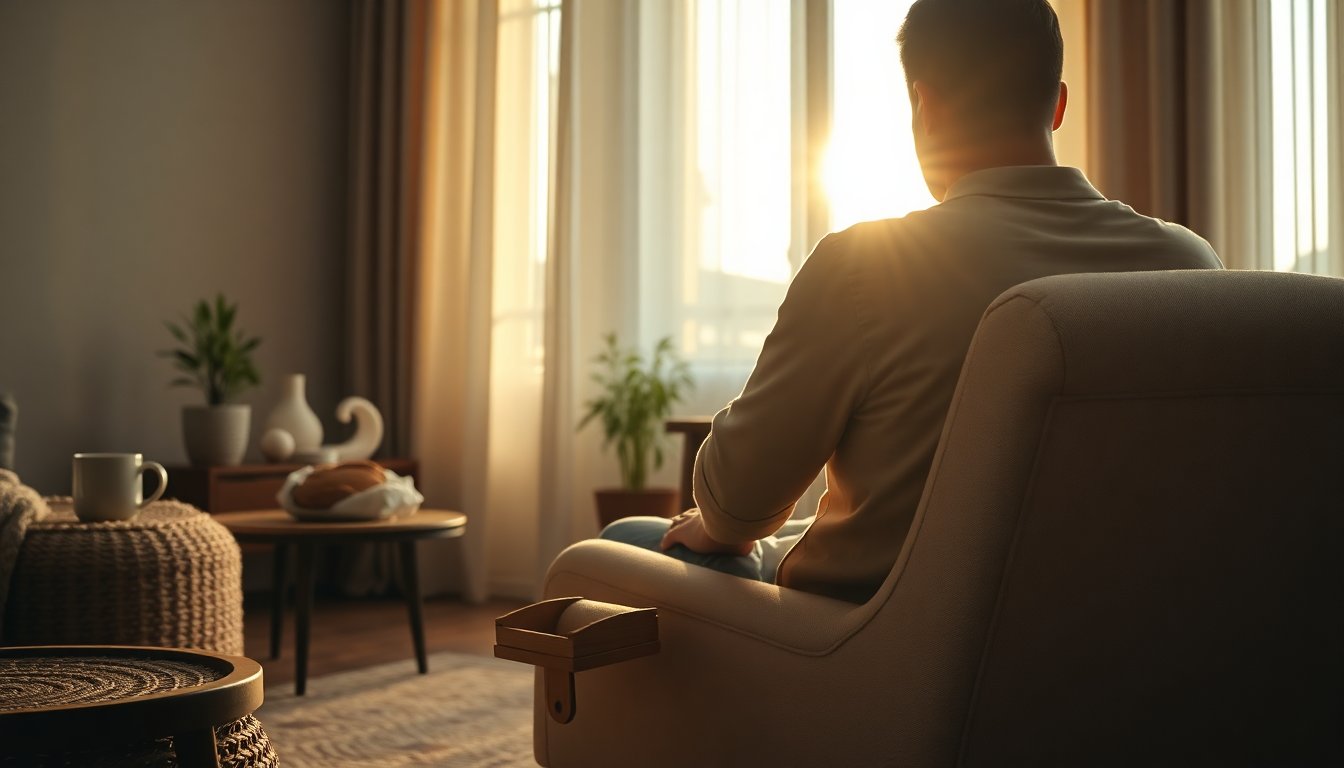
The idea of home stretches beyond architecture and furnishings; it is an emotional anchor that steadies us. Think of home as a lived feeling rather than a location — a quiet reassurance that arrives the instant you step through a door, sink into a chair, or breathe in a familiar scent. This article examines how ordinary elements—objects, aromas, textures, tastes, and sounds—merge with memory to produce a lasting sense of belonging. Understanding these building blocks helps anyone shape a space that reflects who they are, no matter the square footage or address.
People often carry two kinds of home: the place where they now live and the place where their story began. Both matter. A childhood kitchen, a tin-roof porch, or a neighbor’s laughter can remain stitched into our identity alongside a new apartment or downsized cottage. Concepts like downsizing and minimalism don’t erase that link; they simply change the shape of it. When we choose which items to keep and which rituals to bring along, we curate the elements that will continue to make us feel safe, rooted, and comforted.
How the senses build a feeling of home
Our five senses act like architects of emotion: they plan, layer, and reinforce what we label home. Visual cues such as framed photos or a favorite color palette create instant recognition and invite pleasant memories. Scents slip past the intellect and lodge directly in memory centers, often producing an immediate reaction. Textures and temperatures—soft throws, worn wooden armrests, the warm weight of a quilt—create bodily comfort. Even the sounds in a home, from a favorite playlist to the hum of a refrigerator, contribute to a unique atmosphere. Recognizing how the senses contribute lets you intentionally shape a space that feels familiar and restorative.
Sight and memory
The eye organizes experience into narrative. A wall of photographs, a shelf of travel finds, or a pottery bowl passed down through generations ties rooms to stories. Use personal mementos to anchor sightlines: they act as daily prompts that reconnect you to moments you treasure. When arranging items, prioritize things that evoke warmth and meaning rather than filling space to impress. A single, well-loved image or heirloom can carry more emotional weight than a room full of anonymous decor. That visual continuity helps the brain register a place as your home, an environment both familiar and forgiving.
Smell and touch
Scent is a powerful shortcut to memory; a consistent fragrance can become your space’s invisible signature. Whether it’s a floral candle, a favorite laundry soap, or a spice from the kitchen, a recurring aroma signals comfort. Pair that with tactile elements—an afghan, a cushion, or a smooth wooden table—to create layered sensory reassurance. These sensory pairings foster what psychologists call a comfort anchor, small cues that calm and center us. Intentionally choosing a scent signature and a few comforting textures makes a room feel habitually welcoming.
Making home at any size
Size is secondary to familiarity. A studio apartment, a single bedroom in assisted living, or a sprawling family house can all become cozy havens if filled with meaningful items and routines. When space is limited, prioritize objects that carry multiple roles—a quilt that provides warmth and memory, a chair that invites conversation and reflection. Embracing simplicity means keeping what brings joy or utility and letting go of excess. Through thoughtful selection and placement you can condense a lifetime of feeling into a smaller, manageable footprint without losing what matters most.
Transferring familiarity
Moving someone into a new setting often requires more than installing furniture. To restore a sense of home, bring the right pieces: familiar photographs, a favorite blanket, an everyday mug. These items act as continuity threads, stitching past habits into a new environment. Rituals—morning tea, an evening playlist, a weekly phone call—help translate an unfamiliar place into a predictable routine. Over time, those routines invite comfort and reduce anxiety, proving that home is less about walls and more about the patterns and objects that shape daily life.


