
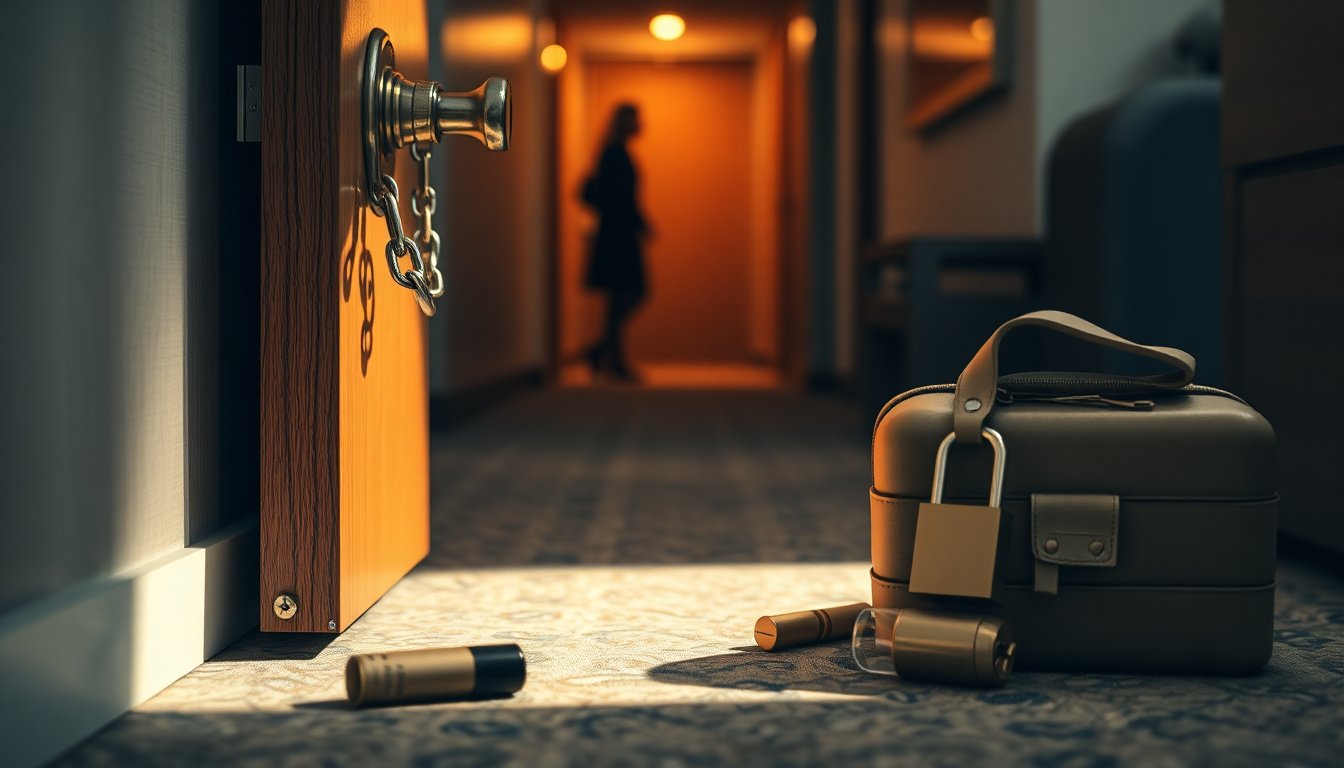
Heading out by yourself should feel liberating rather than frightening. The foundation of personal safety often starts in the planning stage long before you arrive at your destination. Taking a few deliberate steps—like picking the right property and knowing how to move through it—reduces exposure to unpredictable situations. In this guide you will find practical measures that work in city hotels, small inns and resorts, with an emphasis on simple, repeatable habits you can rely on whenever you travel.
Think of safety as a set of small habits that compound into a safer trip. Some of these are logistical—choosing a hotel near services and transit—while others are behavioral, such as maintaining situational awareness. For clarity, situational awareness means paying attention to your surroundings and anticipating what might change, not constant fear. Combining thoughtful research and confident routines will let you enjoy new places without trading peace of mind for adventure.
Choose a hotel that supports safety
Where you stay matters. Prioritize properties with visible, staffed reception desks open 24/7, keycard-only access to elevators and secure corridors, and surveillance in public spaces. These features act like layers of protection, reducing random foot traffic and unknown visitors near rooms. Select accommodations on well-lit streets close to restaurants and transit so you can arrive at night without long, isolated walks. Look for mentions of female-friendly reviews or comments from other solo guests; community feedback often reveals how a hotel treats lone travelers and how responsive staff are in practice.
Navigating the building: corridors, elevators and arrival
Elevator and corridor precautions
Elevators and hallways are common pinch points. If an elevator requires a room card to operate, that is a strong security plus—if not, consider taking the stairs or waiting for a less crowded car. When doors open and someone lingers, trust your instincts: step back and wait for the next ride. Keep bags in front of you and your phone in a zipped, front pocket rather than a back pocket to limit opportunistic grabs. If something feels off, get off at the next floor and leave the area; creating distance is usually the fastest de-escalation.
Approaching and securing your room
How you enter your room matters as much as the locks on the door. Carry your card in your hand, avoid announcing a room number aloud, and let others pass you so your door remains private. Once inside, switch on lights and engage all locks immediately; use a portable door stop or travel alarm for extra protection. Do a quick sweep—check closets, bathroom, under beds—then cover the peephole if that makes you more comfortable. If anything seems inconsistent, leave and request a different room; hotel staff are typically eager to help once you explain the concern.
Keep your awareness active and practical
Awareness is your most effective non-physical defense. Avoid earbuds and excessive phone use while walking so you can hear and see what is happening around you. Use reflective surfaces like shop windows to spot people approaching from behind, and choose well-populated routes whenever possible. If a street or entrance makes you uneasy, change course and enter a shop or café—this simple move signals you are alert and reduces vulnerability. Remember that politeness is useful, but your willingness to help can be exploited; prioritize your safety over being obliging to strangers.
Being prepared does not mean you cannot enjoy spontaneity. Travel can and should be full of discovery; the goal is to do it with confidence. Trust your intuition, set up small physical and behavioral safeguards, and treat hotel choices and arrival routines as part of the trip planning. These habits will help you feel calmer and more in control whether you are exploring a new city or returning to your room after a long day.


