

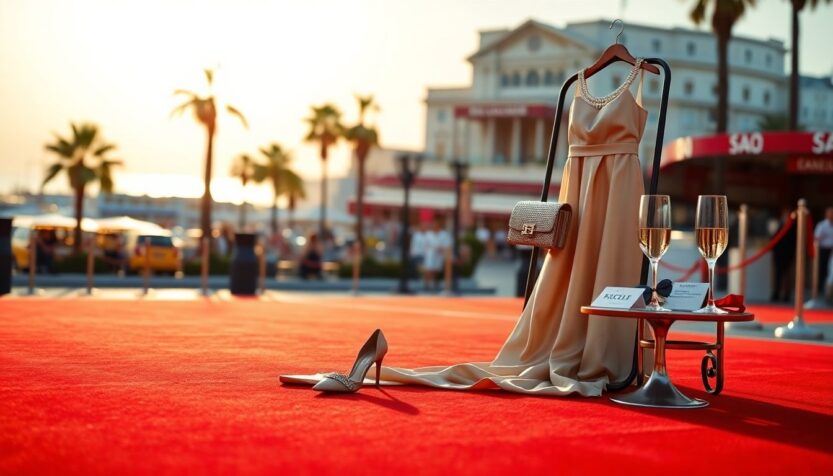
The cannes film Festival returns as a global crossroads where filmmakers, stars, and fashion converge along the Croisette. Running from May 12 through May 23, 2026, the festival presents 21 films vying for the Palme d’Or, while offering countless opportunities to evaluate how cinema and clothing intersect. On any given day you will find formal premieres at the Grand Théâtre Lumière, informal photo-call moments on sunlit terraces, and evening galas where designers and actors collaborate to create headlines. The setting—a palm-lined, high-luxury stretch of the French Riviera—amplifies every outfit, turning streetwear and couture alike into narrative pieces that tell stories beyond the films themselves.
Fashion at Cannes is as much about context as it is about fabrics: a look can read differently depending on whether it appears on a press platform, at a beachside party, or entering a screening. This year’s roster of notable figures—from jury members like Demi Moore, Chloé Zhao, and Ruth Negga to expected attendees such as Adam Driver, Scarlett Johansson, Kristen Stewart, Julianne Moore, Cate Blanchett, Alicia Vikander, and Javier Bardem—means a wide array of style statements. With such talent on site, fashion observers should anticipate a mixture of traditional red carpet glamour and deliberately casual or political sartorial choices that create conversation.
Why Cannes remains a unique stage for style
The festival’s appeal for designers and stars lies in its simultaneous intimacy and global exposure. The red carpet demands eveningwear that photographs well under flash, but the many daytime moments—press conferences, photocalls, and beachside gatherings—reward riskier, personality-driven looks. Expect silhouettes that respond to both cameras and cameras’ context: classic gowns for premieres and pared-back ensembles for interviews. Designers often use Cannes as a testing ground where statements are visible to major international press and luxury clients, which explains why a single photo-call T-shirt or a surprise accessory can ripple across fashion headlines and influence collections for months afterward.
Notable moments and people to watch
Cannes has a history of unexpected appearances that reshape a festival’s fashion narrative. Past years have shown how a casual tee at a daytime event can become a cultural marker—an example being the publicized shirt worn by a star at a photo-call that later echoed through awards season. Celebrity cameos also matter: surprise guests often redirect attention away from premieres toward defining personal style moments. This year, with familiar faces and new auteurs gathered, keep an eye on who opts for high glamour versus those who choose more subversive, message-driven attire—both approaches tend to make headlines and influence wider conversations about celebrity dressing.
Surprises, statements, and historical echoes
Unpredictable appearances create some of Cannes’s most enduring images. In recent memory, a high-profile artist showed up in an architectural cutout gown that dominated press coverage, while decades earlier royalty and film stars made singular sartorial impacts—like a pale blue chiffon gown that became synonymous with a royal festival outing. Directors and actors sometimes use simple garments to send messages: a slogan tee worn at a festival photo-call can function as both publicity and protest. These unexpected choices underscore the festival’s role as a cultural stage in which fashion can be playful, political, or purely performative.
Barbra Streisand and the festival’s nod to legacy
This edition of Cannes will honor Barbra Streisand with the Honorary Palme d’Or, a recognition of a career that has consistently intersected with distinctive fashion. Streisand’s wardrobe through the decades reflects changing aesthetics: at the April 14, 1969 Oscars she made a daring statement in a sheer sequined ensemble by a noted couturier, while in 1976 she experimented with menswear at the premiere of a major film. In March 1984 she appeared in a coordinated, head-to-toe look by a major house at a London premiere, and by January 7, 2018 her red carpet choices had evolved into streamlined, elegant tailoring. These shifts illustrate how a single artist’s relationship with clothing can narrate broader trends in celebrity style.
What Streisand’s presence signals
Honoring a figure like Streisand underscores Cannes’s double role as a forward-looking showcase and a guardian of cinematic history. The award highlights how fashion and film careers inform one another across generations, and how memorable outfits—whether theatrical, tailored, or quietly refined—become part of a performer’s public legacy. Festival attendees, designers, and journalists alike will be watching not just for the films in competition but for how such tributes get translated into on-site style moments that bridge past and present.